Autumn 2025 Budget: From savings to sustainability
People-first choices that boost resilience after the 2025 budget and beyond.

The Autumn Budget has increased the cost of employing people for the second year running, making efficiency a priority for many organisations. However, cost savings shouldn’t come at the expense of employee wellbeing or long-term resilience.
Reviewing existing policies and benefits can uncover quick wins, removing underused perks, ensuring cover reflects current headcount, and improving engagement through clearer communication. The right mix of benefits, development and recognition can help manage rising costs and pay expectations without relying solely on salary increases.
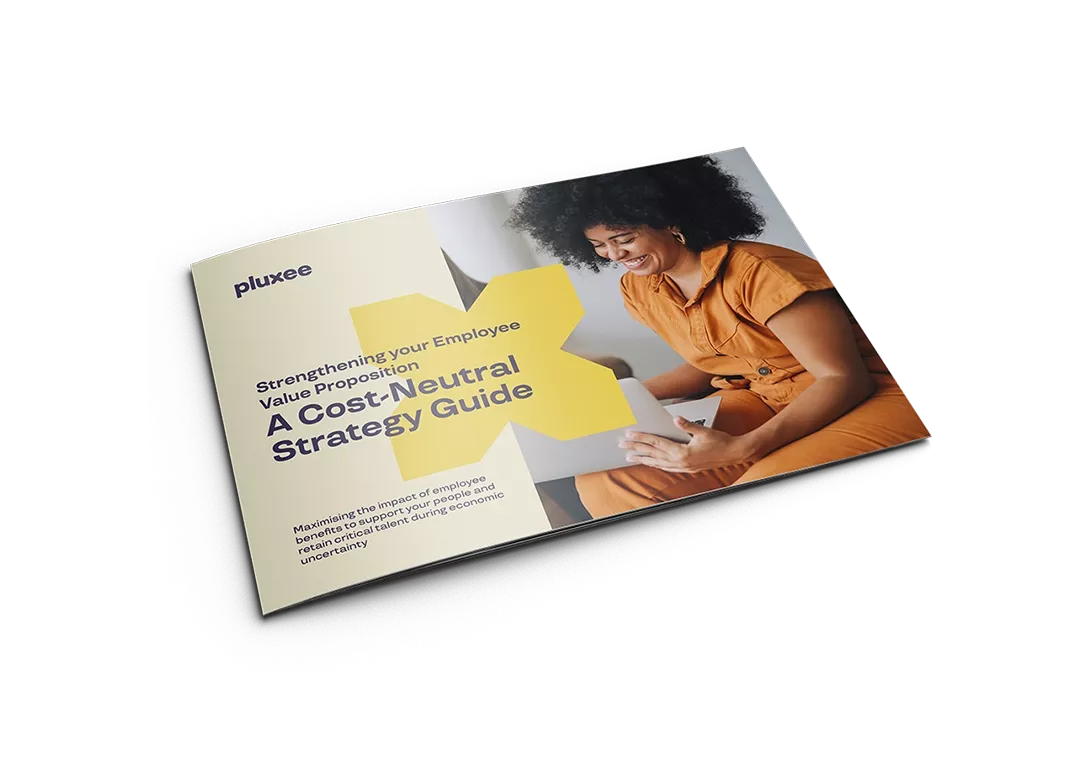
What to expect from this guide:
HR Director, Pluxee UK
Head of Financial Accounting Pluxee UK
Income Tax threshold freezes, below‑inflation pay rises and more people being pushed into higher tax bands mean many employees feel worse off in real terms, even if their salary has gone up.
Financial stress increases absenteeism and presenteeism, reduces productivity and can cost larger employers hundreds of thousands of pounds a year in hidden people costs.
It now costs significantly more to employ people than it did a few years ago, so supporting financial wellbeing is about protecting performance and resilience, not “nice‑to‑have” perks.
Cutting back on support can drive up recruitment, sickness and disengagement costs, undermining any short‑term savings and weakening long‑term organisational resilience.
Yes. As the economy improves, employees who stayed put out of necessity will have more options, so the organisations that invested in loyalty and wellbeing will be better placed to keep key skills.
A thoughtful benefits strategy can make employees feel valued, supported and recognised, helping you keep scarce skills and reduce the high cost and disruption of replacing leavers.
Replacing a single employee can cost tens of thousands of pounds, so even a “normal” turnover rate quickly adds up to a seven‑figure annual bill in a mid‑sized organisation.
Often, yes. When employees compare a small hourly pay uplift against a strong, easy‑to‑use benefits and rewards package, the total value and everyday impact of benefits can win out.
Salary‑stretching tools like discounts and cashback can put more money in employees’ pockets than a typical pay rise, particularly when tax changes dilute the impact of salary increases.
Flexible, lifestyle‑focused perks let people choose what matters most to them—from everyday savings to extra leave or wellbeing support—driving higher engagement and perceived value.
A mobile‑first platform with always‑on access and peer‑to‑peer recognition helps you reach every employee, including frontline teams who are often hardest to engage.
Recognition‑rich cultures see lower turnover and higher engagement, amplifying the impact of your benefits investment and strengthening your overall Employee Value Proposition.