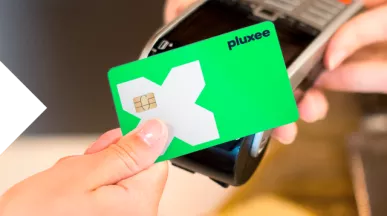
Employee cashback card explained: everything UK employers should know

Employee cashback cards can help your workforce save over £500 annually through everyday purchases. These prepaid cards allow employees to earn up to 15% cashback at the time they shop at participating retailers and stretch their salaries during cost-of-living pressures. They function as employer-provided payment cards that reward employees for routine spending at supermarkets, restaurants and high street shops. Cashback cards UK providers partner with over 150 retailers, and this employee benefit offers value without requiring credit checks or creating debt. This piece covers everything in implementing employee cashback schemes in your organisation.
What is an employee cashback card?
Definition and simple concept
An employee cashback card is a workplace benefit that allows your staff to earn money back on everyday purchases with participating retailers. Cashback works in a different way from standard discounts. Employees pay full price rather than getting money off at checkout and receive a percentage of their total spend returned to them [1]. They can then save this accumulated cashback or spend it however they choose [2].
Each card transaction returns a percentage as cash [1]. To name just one example, if your employee spends £100 at a participating supermarket offering 5% cashback, they receive £5 back. These earnings accumulate to substantial amounts over time. The average cardholder earns £216 of extra income per year [1], though employees can earn between £200 and £500 a year [3] depending on their shopping habits. Some schemes even allow employees to earn up to £900 a year [1].
Cashback rates vary by retailer and some offer up to 15% on transactions [1]. Providers calculate the cashback earned after each purchase and add it to the employee's card balance after 30 days [1]. This creates a continuous cycle where employees can spend their cashback earnings at the same participating retailers and multiply their savings.
Prepaid vs credit-based cashback cards
Employee cashback cards function as prepaid solutions. Employees can only spend what they've loaded onto the card [2]. This prepaid structure eliminates any risk of debt that comes with credit-based rewards [4]. You load funds onto the card and those funds remain available until spent. The card won't allow transactions beyond the available balance.
This is very different from traditional reward credit cards. Credit cards accumulate interest and some employees may find themselves only able to pay off the minimum amount each month [4]. The prepaid system offers no credit, so there's no debt and no credit checks required [4]. This makes employee cashback cards something you can offer all employees, whatever their credit scores [4].
The prepaid nature also helps develop healthier money habits. Employees can set aside specific amounts for essential expenses [2]. This feature proves valuable since about one-third of UK adults have problems with credit card debt [2]. The cards don't allow cash withdrawals, which keeps funds secure within the system [2]. This serves two purposes: it maintains the programme's integrity and prevents employees from using funds in ways that could lead to financial difficulties.
Despite being prepaid, these cards work just like regular Visa prepaid cards. Your staff can use them anywhere that accepts Visa prepaid as a payment option [2] and this makes them far more versatile than store-specific loyalty schemes.
How employee cashback cards differ from personal cashback schemes
Employee cashback cards are provided through your organisation as a workplace benefit and this sets them apart from personal cashback credit cards that individuals might get on their own. The employer-provided aspect means you can integrate these cards into your broader employee value proposition and use them to deliver rewards, incentives, or reimbursements.
Personal cashback schemes require credit checks and good credit scores. Employee cashback cards require no credit checks [4] and this makes them available to your entire workforce. This inclusivity represents a transformation in how workplace benefits function, as opposed to traditional perks that might only suit certain employee segments.
The shared experience of using employee cashback cards can encourage positive company culture [1]. When your entire workforce has access to the same benefit, it creates common ground. Research indicates that 80% of employees prefer additional benefits over a pay rise [1] and 80% of HR professionals believe that a prepaid 'spend and earn' card is an important benefit [1].
Employee cashback cards also integrate directly into payroll systems when needed. You can load funds through salary deduction or add employer contributions for rewards and incentive payments. Personal cashback schemes lack this workplace integration and function purely as individual financial products without connection to employment benefits or recognition programmes.
How employee cashback cards work in the UK
The cashback transaction process
Using an employee cashback card follows a straightforward cycle. Your employees top up their card via the mobile app or online using their debit card [5]. They can shop at partner retailers either in-store or online once funds are loaded. Every time they use their card at a participating retailer, they earn a percentage of the total as cashback [1].
The provider calculates the cashback earned automatically after each transaction [1]. The employee's card balance receives the cashback after 30 days, ready to spend [1]. Processing typically takes 5-7 days [5], though Sainsbury's operates differently due to their calculation process and often requires 3-5 weeks for cashback to be credited [5].
Your employees can save this accumulated cashback or transfer it back to their card to spend again [5]. This creates a continuous earning cycle. To name just one example, an employee who regularly shops at participating supermarkets will see their cashback build month after month and effectively reduce their grocery costs over time.
Employee accounts receive the cashback automatically with no need to input any information themselves [6]. Modern platforms track all card activity through dedicated mobile apps and allow staff to monitor every purchase, watch pending cashback, and verify their rewards arrive as promised [6].
Participating retailers and cashback rates
Employee cashback card providers currently partner with over 80 retailers on their card networks [4][7]. Online cashback platforms extend the partnership to over 150 retailers [4][6].
These partnerships include major UK brands in a variety of categories. Supermarkets like ASDA, Sainsbury's, Iceland, and Waitrose participate in the schemes [1]. High street retailers include John Lewis, M&S, Primark, and River Island [1]. Home improvement stores such as B&Q, IKEA, and Wickes offer cashback [1]. Food and beverage options span from Caffè Nero and Pizza Express to Wagamama [5][1]. Retailers like Boots, Holland and Barrett, The Body Shop, and Argos participate as well [1].
Cashback rates vary by retailer, with some offering up to 15% on transactions [5][4][5]. Certain providers offer up to 16% cashback at over 70 retailers [5]. These rates apply to both in-store and online purchases and give your employees flexibility in how they shop.
Visa powers employee cashback cards, so employees can spend their funds wherever Visa prepaid is accepted, whether the retailer is part of the cashback network or not [4]. This versatility means the card functions as an everyday spending tool, not just a benefit restricted to specific shops. Even shopping at non-partner stores helps employees manage their money better by keeping their spending separate [6].
How employees access and spend their funds
Employees can load their card with cash and start spending once they receive their card in the post and activate it in less than 60 seconds [1]. The card works similar to a regular Visa prepaid card for payment purposes [6].
Employees manage their cards through mobile apps that offer detailed functionality. The Pluxee UK Card app allows users to top up, view cashback earnings, and manage various card features [5]. The app allows employees to check their daily currency conversion rate for purchases at overseas retailers [5].
Your staff can set up manual top-ups or arrange automatic top-ups for convenience [5]. This automation proves especially useful for consistent spending patterns. An employee that automatically has £350 loaded onto their card every month can get cashback every time they do their food shopping without worrying about funds running out [6].
Employees still earn loyalty points when shopping with their cashback card, just like they would when using a Visa Debit card [5]. This dual benefit means they're not sacrificing existing rewards to gain cashback.
The cards don't allow cash withdrawals at ATMs [4]. This restriction keeps funds secure within the system [6] and ensures employees use the benefit as intended whilst maintaining programme integrity.
Where the cashback money comes from
Employees buy directly from retailers at standard market prices [6]. This direct-to-retailer model removes any chance of middleman markup or price manipulation [6]. You're not paying inflated prices to receive cashback.
Partner retailer selection plays a significant role in maintaining fairness. Respected platforms carefully check potential merchants before adding them and ensure retailers keep prices fair and meet security standards [6].
Types of employee cashback cards available
Several distinct formats of employee cashback cards exist in the UK market. Each offers different features and deployment options that suit various workplace requirements.
Prepaid employee cashback cards
Prepaid employee cashback cards represent the primary format available to UK employers. The bYond Card operates as a Mastercard prepaid card offered as a workplace benefit through employers [8]. It provides access to up to 15% cashback at over 85 UK retailers [8]. Cardholders can earn up to £900 each year [6]. Major participating retailers include John Lewis, M&S, Sainsbury's, B&Q and Caffè Nero [8].
The Pluxee Card functions as a prepaid solution that allows spending up to the available value only [1]. Both formats eliminate credit risk. There's no debt and no credit checks required [1]. This accessibility makes prepaid cashback cards something you can offer all employees, whatever their credit scores [1].
The prepaid structure provides regulatory protection for your workforce. The Financial Conduct Authority regulates cards like bYond [8] and offers 24/7 access to account and transaction history [8]. These safeguards ensure employees can monitor their spending and cashback earnings with transparency.
Your staff top up their cards via the app or online using their debit card before making purchases [8]. The prepaid format works with retailer discounts and promotions [8] and allows employees to stack savings. Employees can earn £200 to £500 per year in cashback just by switching to these cards for regular purchases on average [8].
Online cashback deals vs physical cards
Employee cashback solutions split into two delivery methods: online platforms and physical cards. Online cashback deals are part of Employee Discounts Platforms [1]. Your business contracts with the provider to embed this employee benefit into operations. Each employee receives a unique login [1]. These digital platforms allow staff to access cashback offers without carrying a physical card.
Physical card programmes involve employers embedding the cashback card into their business as an employee reward or benefit [1]. Each employee then applies for their card unless you allocate one to each employee on their behalf [1].
Modern providers offer both virtual and physical options with different deployment timelines. Virtual cards deploy in one week and allow employees to start saving right away [6]. Bespoke physical cards become available within four weeks [6]. This flexibility lets you choose based on urgency and employee priorities.
Virtual cards offer additional security advantages. Digital-only approaches help the environment and boost security since there's nothing physical to misplace [1]. Virtual cards use secure data sets for electronic transactions [1] and reduce fraud risk compared to physical cards that could be lost or stolen.
Partner cards for employees' households
Employee cashback cards extend benefits beyond individual employees to their households. Staff can top up their cards with personal funds and benefit from the same cashback opportunities on their own spending [6]. This household-wide access multiplies the value proposition compared to benefits restricted to employer-funded amounts.
The card works worldwide wherever Visa prepaid is accepted, not just for employer-funded benefits but for everyday life [6]. Your employees can use these cards in 150+ countries [6]. This makes them practical for family holidays and international purchases. This global acceptance transforms the workplace benefit into a comprehensive household financial tool.
Family members benefit when employees use cashback cards for household essentials. The accumulated cashback reduces overall household expenses, whether shopping for groceries, home improvements or family dining. The financial wellbeing solution makes it possible for cardholders to earn with every use [6] and turns routine family spending into savings opportunities that benefit everyone in the household.
Employee benefits of cashback cards
Financial wellbeing ranks as the top priority for UK workers, with 81% of employees feeling the squeeze from rising costs [9]. Employee cashback cards address this pressure head-on by converting routine spending into measurable savings.
Stretching salaries during cost-of-living pressures
Your employees can earn between £200 and £500 annually in cashback simply by switching their regular purchases to these cards [6]. Cardholders accumulate over £300 in cashback on everyday spending on average [9]. This represents genuine financial relief, not theoretical savings.
The accumulated cashback functions as subsidiary income that doesn't require direct effort [6]. Employees continue their normal shopping patterns whilst money builds in their accounts. They can transfer these funds to their bank account at any time for larger purchases like holidays or Christmas expenses [6].
One NatWest employee described the benefit: "You can let the money build up and when it comes to Christmas, it doesn't feel like you are spending money. Nice way to treat yourself" [6]. This captures how cashback transforms obligatory spending into discretionary funds.
Better money management and budgeting
Mobile apps transform employee cashback cards into detailed money management tools [1]. Your staff can top up funds, view cashback earnings and track all transactions from a single interface [1]. This visibility helps employees spend smarter and make better buying choices to maximise cashback [1].
Live tracking shows exactly where money goes. Employees see their transaction history and rewards in one united view [1], which creates awareness that traditional payment methods lack. This transparency encourages more thoughtful spending decisions naturally.
The cards work on a prepaid basis with no overdraft or charges [1]. Your employees can set aside amounts for essential expenses [1], turning the card into a budgeting tool rather than just a payment method.
Building healthier spending habits
The prepaid structure prevents overspending by design. Employees can only spend what they've loaded onto the card, which eliminates debt risk entirely [1]. This matters especially when about one-third of UK adults struggle with credit card debt [1].
The cards don't allow cash withdrawals [1], keeping funds within the system and preventing impulsive spending that could undermine financial wellbeing [1]. This restriction may seem limiting, yet it protects employees from habits that create money problems in reality.
These cards help staff develop sustainable financial patterns then. The prepaid model encourages planning ahead and conscious spending decisions, skills that extend beyond card usage into broader financial management.
No debt or credit checks required
Employee cashback cards require no credit checks whatsoever [10]. This makes them available to your entire workforce whatever their credit scores [10]. Unlike reward credit cards that exclude employees with poor credit histories, cashback cards provide equal access to all staff members.
The absence of credit risk removes a barrier. Your employees won't face rejection or credit file inquiries. They simply receive the card through your organisation and start benefiting right away.
Household-wide savings opportunities
The benefit extends beyond individual employees to their entire households. Staff can top up cards with personal funds and earn the same cashback rates on household spending [1]. Active users can reach £1,200+ in annual savings when combining cashback with discounts and salary sacrifice schemes [9].
The compounding effect amplifies value over time. Every cashback pound earned generates more cashback when spent at participating retailers [9]. This creates a multiplying cycle that benefits the whole family on everyday purchases from groceries to home improvements.
Employer benefits of offering cashback cards
Offering employee cashback cards delivers measurable returns for your organisation beyond the direct financial benefits your workforce receives. These programmes reduce administrative burden and strengthen multiple aspects of your talent management strategy at the same time.
Simplifying rewards and incentive payments
You can eliminate the complexity of processing cash bonuses through payroll by loading reward payments directly onto employee cashback cards [11]. The process remains similar whether you're rewarding achievements or providing benefits, which unifies your entire benefits and rewards strategy [11]. Companies report spending 75% less time on benefits administration after implementing these platforms [2].
The cashback feature multiplies the value of every reward you provide. A £50 reward could become a £57.50 reward, a £75 reward could become an £86.25 reward, and a £100 reward could become a £115 reward [11]. This happens because of the up to 15% cashback earnings potential. You give employees more for less and make your budget work harder [11].
Integration into one portal with one login creates a simplified experience [2]. You can combine peer-to-peer recognition features, values-based achievement rewards, and wellbeing support initiatives all within the same platform [2]. This unified approach simplifies administration and keeps employee benefits consistent across your organisation.
Boosting employee engagement and morale
Financial flexibility gives employees a sense of control over their income. This improves overall satisfaction and increases productivity [8]. The tangible nature of cashback rewards creates a real sense of satisfaction every time employees make purchases [8].
Disengaged employees have 37% higher absenteeism rates [11]. Therefore, improving engagement through financial wellbeing programmes like cashback cards directly reduces absenteeism costs, which average approximately £500 per employee annually [11]. The more engaged employees you maintain, the lower your financial risk from absent staff.
Adoption rates demonstrate genuine employee interest. Platforms achieve adoption rates of 70%+ versus the industry average of 40% [2]. This proves that employees value and use these benefits rather than ignoring them.
Improving retention and attraction of talent
Around 60% of UK employees are more likely to stay with an employer that offers financial wellbeing programmes such as flexible pay or cashback rewards [8]. This figure rises higher amongst younger workers, with 75% of 18-24 year-olds and 65% of 25-34 year-olds saying they are more likely to stay with an employer providing these kinds of benefits [8].
What's more, 53% of employees say they would stay longer at their company if they felt more appreciation from their employer [11]. The right support makes 75% of employees more loyal to their employer [11]. Employee cashback cards demonstrate this appreciation through both the benefit itself and the improved value of loaded rewards.
74% of employees state that a potential employer's benefits package forms an integral part of their decision-making process [11]. Employees used to using cashback platforms become less likely to leave for roles where this isn't offered [12].
Improving your employee value proposition
Your employee value proposition combines every aspect of the employee experience, from salary to wellbeing allowances [10]. It's the 'why' behind candidate choices and what separates your organisation from others [10].
Employee cashback cards strengthen your EVP by providing benefits that are unique, relevant to your organisation, and meaningful to the employees you want to attract [10]. These schemes serve as versatile platforms that boost multiple aspects of the employee experience [2] and create better results without extra costs to you.
Affordable alternative to salary increases
Providers charge an affordable subscription fee, with the rewards paid for by participating retailers [8]. Employees receive 100% of the benefit with none of the inefficiencies of traditional remuneration [8]. Cashback is not taxable [8], making it a tax-efficient way to improve employee compensation.
This represents a very efficient distribution of value since the end-retailers pay for the rewards [8]. You provide access to the platform whilst external partners fund the actual cashback earnings your employees receive.

Tax implications of employee cashback cards
Tax treatment of employee cashback cards depends on how you structure and use them within your organisation. These distinctions protect both you and your employees from unexpected tax liabilities.
Are cashback payments taxable?
HMRC treats personal cashback as a price discount rather than taxable income [13]. Statement of Practise 4/97 says that cashbacks received by private individuals on their own spending remain non-taxable [13]. Your employee buys groceries for £100 and receives £5 cashback. HMRC views this the same as purchasing those groceries for £95 [13].
This tax-free treatment applies when employees acquire rewards the same way as any other member of the general public [1]. The cashback belongs to the employee rather than the employer. It's not treated as being given by reason of their employment [14][1].
But a tax charge arises on cashback given by reason of employment [1]. The fact of employment was a necessary antecedent condition to receiving cashback. It becomes taxable as employment income [1][14]. To cite an instance, you purchase a block of cashback rewards and distribute them to employees as part of an incentive scheme. Those rewards count as taxable benefits [1].
Tax issues for employer contributions
Employers give cashback to employees or directors. It must be added to their salary, with PAYE tax and National Insurance contributions deducted [15]. This applies when you load funds onto employee cashback cards as rewards or bonuses.
Cashback comes from a third party but remains linked to employment. It counts as a benefit in kind [15]. An arrangement where retailers give rewards to your employees but not to other customers would trigger this treatment [1].
How different use cases affect tax treatment
The boundary between taxable and non-taxable cashback lies in acquisition method. Your employees can top up their cards with personal funds and earn cashback tax-free on that spending. The provider awards the rewards to the employee from the outset the same way it would award them to any other customer [1].
Cashback earned through employer-funded purchases requires closer examination. Someone receives payment for introducing another customer to suppliers of goods or services. This becomes taxable under miscellaneous income provisions [16]. Businesses receiving cashback must include it as a taxable trading receipt [16].
Capital gains tax doesn't apply since cashback doesn't derive from a chargeable asset [17].
Implementing employee cashback cards
Setting up a cashback card scheme
You need minimal setup effort to deploy employee cashback cards. Sign your business up with a benefits platform provider. You'll receive access with no fee per employee and no minimum or maximum employee numbers [6]. The provider supplies a unique employee link you can share across your workforce [6].
Employers embed the employee cashback card into their business as a reward or benefit [4]. Each employee can apply for their card on their own, or you can allocate cards to each employee on their behalf [4]. Virtual cards deploy within one week. Bespoke physical cards become available within four weeks [2].
Different ways to use cashback cards in your business
Employee cashback cards serve multiple operational purposes beyond standard benefits. You can top up reward and incentive payments straight onto the card. This recognises employee achievements and avoids payroll processing [18]. The cards work for reimbursing corporate funds such as expenses and food allowances [18].
This flexibility lets you unite various payment streams into one solution. To cite an instance, quarterly bonuses and monthly meal stipends can all flow through the same card system.
Loading funds and managing employee accounts
Employees top up their cards via the app or online using their debit card [3]. Think about offering salary deduction as a funding option if your payroll system supports it when you implement the programme [3]. Direct debits to cashback cards create automatic funding for recurring expenses [9]. An employee with £350 loaded onto their card monthly receives consistent cashback without manual intervention [9].
Communicating the benefit to your workforce
Clear communication determines adoption rates. Employees create a free account and access the platform via single sign-on [6]. They request their card, pay the £5 annual fee (covered by first few transactions' cashback), and activate it in under 60 seconds [6].
Explain how philtre systems make browsing cashback offers the quickest way [9] for staff to find deals relevant to their shopping habits within seconds. Highlight that they can browse offers and select those matching their interests [9]. This makes the benefit useful rather than abstract.
Choosing the right cashback card provider
The right provider choice requires you to evaluate multiple factors that affect programme value and user experience.
Number of retailer partnerships
Provider networks vary substantially in size. Pluxee partners with over 80 retailers on their physical card network [19]. Their online cashback platform extends this to over 400 offers [19]. Larger networks provide more earning opportunities to your workforce.
Cashback rates and promotional offers
Rates differ across providers and retailers. Pluxee offers up to 15% cashback at participating retailers [19]. Online platforms sometimes feature promotional discounts reaching 20% [19]. Partner retailer selection matters. Respected platforms check potential merchants before adding them and ensure retailers keep prices fair while meeting security standards [2].
Card features and mobile app functionality
Mobile apps should allow employees to top up funds, view cashback earnings and access complete features [2]. Digital wallet integration lets staff add cards to Apple and Google Wallets right away [2]. Biometric authentication provides additional security through Face ID or secure PINs [2]. Employees can monitor spending with immediate transaction tracking [2].
Support and administration requirements
Security certifications demonstrate provider reliability. ISO 27001 certification confirms data security standards while ISO 9001 confirms quality operations [2]. Instant alerts for suspicious activities protect against fraud [2]. Employees should be able to disable lost or stolen cards through mobile apps right away [2].
Conclusion
Employee cashback cards deliver measurable value for both your workforce and your organisation. Employees earn £200 to £500 annually through everyday purchases. These prepaid cards address cost-of-living pressures and require no credit checks or debt creation. Employers streamline rewards administration and improve retention at a fraction of traditional salary increase costs.
The tax treatment remains straightforward provided the cashback structure lines up with HMRC guidelines. Implementation takes minimal effort, whether you choose virtual cards deploying within a week or bespoke physical options.
Compare retailer partnerships, cashback rates and platform features before selecting a provider. The right choice transforms routine employee spending into a financial wellbeing benefit that strengthens your employee value proposition.
FAQs
Which cashback card offers the best value for UK employees?
The best employee cashback card depends on retailer partnerships and cashback rates. Look for cards offering up to 15% cashback at over 80 retailers, including major supermarkets like Sainsbury's and ASDA, high street shops like John Lewis and M&S, and restaurants. The most valuable cards partner with retailers where your employees already shop regularly, allowing them to earn £200-£500 annually without changing their spending habits.
What are the disadvantages of using cashback cards?
The main drawback is that some cashback cards charge annual fees, which can reduce your overall earnings. However, many employee cashback cards charge minimal fees (around £5 annually) that are typically covered by your first few transactions. Additionally, cashback takes 30 days to be credited to your account, and some retailers like Sainsbury's may take 3-5 weeks. The cards also don't allow cash withdrawals, keeping funds within the system.
Do employees pay tax on cashback rewards?
Cashback earned on personal spending is not taxable, as HMRC treats it as a price discount rather than income. However, if employers load funds onto cards as rewards or bonuses, this becomes taxable employment income subject to PAYE tax and National Insurance. The tax treatment depends on whether the cashback is earned through the employee's own spending or provided directly by the employer.
Are employee reward vouchers subject to taxation?
Yes, staff reward vouchers are generally taxable. You must add their value to the employee's other earnings and deduct PAYE tax and Class 1 National Insurance through payroll. This is why employee cashback cards can be more tax-efficient when employees top up with their own funds and earn cashback through personal spending, as this cashback remains non-taxable.
How do businesses benefit from offering cashback programmes?
Businesses benefit by streamlining reward payments, reducing administration time by up to 75%, and improving employee retention—with 60% of UK employees more likely to stay with employers offering financial wellbeing programmes. Cashback cards are cost-effective because participating retailers fund the rewards through an affordable subscription model, allowing employers to enhance compensation without the tax burden of salary increases.
References
[1] - https://www.gov.uk/hmrc-internal-manuals/employment-income-manual/eim21618
[2] - https://www.pluxee.uk/blog/employee-cashback-benefits-a-british-guide-to-smarter-staff-rewards/
[4] - https://www.pluxee.uk/blog/what-is-cashback-employee-cashback-cards-cashback-online/
[7] - https://www.pluxee.uk/products/employee-discounts/
[9] - https://hrnews.co.uk/the-power-of-cashback-as-an-employee-benefit/
[11] - https://www.pluxee.uk/blog/financial-wellbeing/streamline-reward-and-recognition-with-employee-benefits-using-one-digital-solution/
[13] - https://www.curve.com/blog/are-cashback-rewards-taxable/
[14] - https://www.srlynn.co.uk/blog/p/do-you-need-to-pay-tax-on-loyalty-points-and-cashback
[15] - https://www.mytipsandadvice.co.uk/2013-10/is-your-cashback-deal-taxable-or-not-UKTATXAR_EU14020601
[16] - https://www.gov.uk/hmrc-internal-manuals/business-income-manual/bim100210
[17] - https://library.croneri.co.uk/btlcurr200310__0-0-0-23770
[18] - https://www.peoplemanagement.co.uk/article/1804516/give-employees-money-boost
[19] - https://www.pluxee.uk/blog/financial-wellbeing/cashback-card-and-online-cashback-deals/