
What is a prepaid card for employees? Everything you need to know
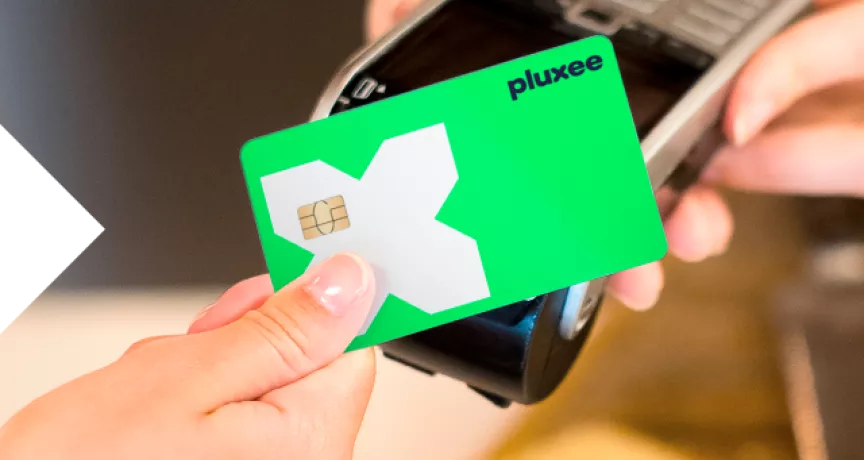
Financial anxiety is on the rise, and a prepaid card for employees could be the solution your business needs. Workers who worry less about money stay more focused at work. They then show up more often and save your company money. A prepaid card works simply: you load funds onto it and employees can spend within their allocated budget without credit checks or debt risks. The prepaid card's benefits extend to both sides. Employers get better expense control while staff gain practical money management tools. This piece covers everything you need to know about implementing prepaid cards in your organisation.
What is a prepaid card for employees?
The simple concept
A prepaid card for employees functions as a payment card preloaded with company funds that workers use for business expenses. The card allows employees to spend only the amount loaded onto it, with no borrowing or interest involved [1]. A business debit card links directly to your bank account, but this doesn't [1].
These cards look similar to any other payment card at a glance, whether physical or virtual, complete with a card number, expiry date and CVC [2]. You can use them just like a credit card for online purchases, in-store transactions, via mobile wallets, contactless payments, and even over the phone [2]. The significant difference lies in their prepaid nature.
The card works on a pay-as-you-go basis [2]. You add money to it, which can then be used in most places where cards are accepted, including online transactions and cash withdrawals [2]. The card is preloaded with a specific amount, so employees can't spend one penny above that limit [2]. This makes prepaid cards valuable assets for companies seeking spending control.
Prepaid cards for businesses are not connected to the main company bank account. This makes them less risky to hand out to employees [2]. The employer pre-loads these cards with a certain amount of money and gives them to employees for any business expenses [3]. Both physical and virtual versions work with the Mastercard network and are accepted at millions of merchants worldwide. This gives you the same flexibility as traditional cards in over 200 countries [2].
How funds are loaded and used
You fund reloadable prepaid cards for business by transferring money from your business bank account via ACH, wire, direct deposit, or mobile check deposit [1]. Some providers allow credit card funding for an additional fee [1]. Funds must be available before employees can spend, so plan your loading schedule around payroll cycles or project timelines [1].
You can add funds manually, schedule automatic transfers, or set threshold-based reloads that trigger when balances drop below a set amount [1]. The manager first needs to give employees access to funds before they can purchase things with their prepaid card [2].
Admins can set per-card and per-transaction limits, daily or monthly budgets, and time-bound access [2]. Policies are enforced at the point of spend in real time [2]. You can also set the budget and transaction limits to zero, which means payments are only possible by making a request [2]. If there are high-level employees who you would like to trust with more financial freedom, you can give them access to much higher amounts of money [2].
Most prepaid cards in the market offer businesses the option of setting spending limits on individual cards [3]. You might estimate that delivery drivers need a maximum of a specific amount per week to fuel their vehicles. You can assign a prepaid card to each driver, set the card limit, and rest assured they won't exceed that amount [3].
Physical cards work the same way as any other card employees are used to, either by swiping and signing, using chip and PIN or contactless payments, or mobile wallets when making an online transaction [2]. They can also use virtual cards to pay online [2].
No credit checks required
Prepaid cards don't require a credit check, making them available if you have limited or poor credit history [2]. There's no credit check or bank account required, so prepaid cards unlock new possibilities for everyone [2]. You can sign up for prepaid cards without a credit check, with quick application processes meaning you could be up and running the next day [4].
A prepaid card doesn't come with a current account, unlike most debit cards [2]. There's also no hard credit check involved, so it could be a lifeline if you're unable to get a bank account due to a poor credit history or if you're lacking proof of address [2]. You're using your own funds, so prepaid cards for business don't require credit approval or create debt [1].
They offer the flexibility of a card with the control and transparency businesses need, without the hassle of credit checks, long application processes, or sharing sensitive financial information [5]. Many business owners assume prepaid programmes are hard to get or come with hidden fees. Most require minimal paperwork, offer transparent pricing, and give you more control over company spending than traditional cards do [1].
How prepaid cards work for businesses
The application and onboarding process
Getting started with a prepaid card for employees takes minimal effort. You apply for the account online or using an app and need to provide ID [1]. Most programmes don't require a credit check, and setup can be completed in just a few days [2]. The quick application process means you could be up and running tomorrow [1].
Approval takes a few minutes after you've applied, and physical prepaid corporate cards arrive in a few days [1]. Most providers give you virtual card details to use straight away so your employees can make online purchases right away [1]. You need to confirm your identity and address by uploading a few documents, and you'll be done [1]. Load money to your account to order your cards and receive them in 2 working days [1].
Funding and reloading methods
Your business loads a specific amount onto the prepaid card through an online platform where administrators can top up or withdraw funds in minutes [1]. Providers allow methods that can include online transfer from your business bank account, using the provider's app or website, depositing cash at a post office or shop that uses a PayPoint service, or receiving deposits from someone else [1].
You can add funds manually, schedule automatic transfers, or set threshold-based reloads that trigger when balances drop below a set amount [2]. There's no credit line to fall back on unlike reloadable business credit cards, so what you load is what your team can spend [2]. Plan your loading schedule around payroll cycles or project timelines [2].
Some providers allow credit card funding for an additional fee [2]. Transferring funds to your company wallet and then onto your individual cards takes just seconds [6]. You can transfer funds to your employee's wallets the moment the deposit to the company wallet is accredited [7]. You can also ensure your team always have access to funds by setting up automatic top-ups [7].
Setting spending limits and controls
Prepaid employee expense cards let admins define how much each cardholder can spend and where [2]. Most providers let you configure controls through an online dashboard in minutes [2]. The card can have a specific maximum amount that can be spent per day, per week, or per month and the categories of expenses that are allowed or not allowed [6].
The controlled allocation of money makes budgeting easy with no risk of nasty surprises at the end of the month [8]. These controls mean the card declines any purchase that falls outside your rules and prevents overspending before it hits your books [2]. You can restrict transactions to certain vendors or block cash withdrawals and ensure funds are only used for approved business expenses [1].
Key control options include:
- Per-transaction limits: Cap individual purchase amounts to prevent large unauthorised buys [2]
- Daily or monthly caps: Control total spending over time for each card [2]
- Merchant category codes: Restrict where cards work—block entertainment merchants for cards meant only for office supplies [2]
Up-to-the-minute tracking and monitoring
Prepaid business expense cards provide instant visibility into every purchase [2]. Transactions appear through online dashboards in the moment and reduce manual receipt collection and settlement work [2]. Most prepaid expense card providers send push notifications for each transaction and let both admins and cardholders see charges the moment they happen [2].
Many platforms also include mobile receipt capture so employees can snap a photo of their receipt and attach it to the transaction on the spot [2]. Finance teams can categorise spending right away instead of sorting through month-end reports [2]. Employees can take photos of receipts and add spend-notes which are displayed in the company dashboard for the accounts team to settle [6].
You can monitor and track card transactions as they happen and get alerts for any suspicious activity that violates expense policies [6]. Most prepaid cards also come with an analytics dashboard where you can generate reports and receipts for accounting and tax purposes [6]. Employees can view their card balance, transaction history and spending trends from the dashboard or app [6].
Prepaid cards vs other payment options
Prepaid cards vs credit cards
The fundamental difference lies in how you access funds. Prepaid cards and debit cards let you spend money you already have. Credit cards allow you to borrow money [2]. You're taking out a loan that must be repaid on the payment due date when you use a credit card [2]. Pay late and you'll face late fees. Pay less than the full amount and you'll incur interest charges [2].
With a pre paid card, you're withdrawing money already loaded onto the card [2]. You don't need to repay money or pay fees unless you overdraw your account [2]. Credit cards require a credit check and carry the risk of accumulating debt. Prepaid cards require no credit check and eliminate debt risk [7]. Interest charges apply to credit cards if you carry a balance. Prepaid cards have none [7].
Credit cards do offer advantages that prepaid cards lack. They build business credit history and provide cashback or travel rewards. They also have purchase protection with extended warranties [7]. But they require good credit for approval and can encourage overspending without proper monitoring [7]. Prepaid cards give you complete control over spending with preset limits. Quick setup without credit checks or financial reviews [7].
Prepaid cards vs debit cards
Both prepaid and debit cards allow you to spend money you already have. The source is different by a lot though. A debit card links to a checking account and provides direct access to your business funds [2]. Prepaid cards aren't linked to a bank or credit union account [2]. You must load money onto the card before spending it [2].
This difference affects overdraft risk. You can't spend more than what's available with prepaid cards and debit cards [2]. But some bank and credit union accounts allow overdrafts, as do some prepaid cards [2]. Overdrafts let you overspend temporarily. You must replace the money plus pay an overdraft fee for each transaction [2].
Debit cards draw from your business bank account and offer simple account reconciliation but less fraud protection than credit cards [7]. They also tie up working capital right away [7]. Prepaid cards aren't tied to your main business account. This provides a buffer that limits exposure if cards are lost or stolen [9]. The preloaded balance creates a finite spending limit and offers protection from fraud since lost cards or stolen details only risk the loaded funds [9].
Neither prepaid cards nor debit cards help build credit [2]. These aren't suitable options if your goal has credit building [2]. Debit cards themselves don't have fees, but the linked checking account can have monthly maintenance fees, ATM fees, foreign transaction fees and overdraft fees [2]. Prepaid cards may charge maintenance fees, reloading fees, ATM fees and foreign transaction fees [9].
When to choose prepaid over alternatives
Prepaid cards work best for businesses needing spending control without credit exposure [7]. They're valuable especially when you have a history of overspending, as the tangible limit helps you stick to your budget [2]. Credit cards suit established companies focused on building credit and earning rewards. Debit cards fit businesses preferring direct bank access with no credit dependency [7].
Choose prepaid cards when you need controlled employee spending for contractors or departments with limited budgets [7]. They're also practical if you don't have a checking account or want to avoid sharing sensitive financial information [2]. Think over using prepaid cards for controlled employee spending if credit building is a goal. Pair them with a business credit card for recurring expenses [7]. This dual approach manages budgets and builds creditworthiness at the same time.
Prepaid cards benefits for employers
Better budget control and financial oversight
Prepaid employee expense cards give your team the ability to spend while you budget, monitor transactions and set limits. You maintain complete oversight by establishing customisable individual spending limits, transaction limits and accessing instant transaction data. The controlled allocation of real money makes budgeting straightforward, with no risk of unexpected costs at month's end.
Your business can never lose more than the amount loaded onto the cards. Most prepaid solutions also give you the option to turn cards off with a click, so you can deactivate a lost, stolen or fraudulently used card in seconds. Prepaid cards allocated to employees give them autonomy to make purchases at their discretion, whilst you decide budgets and prevent any unexpected outgoings.
You get an instant view of spending, which isn't always possible with debit cards. Proactive expense controls lead to better financial outcomes, as you can set predefined spending limits, restrict usage to specific merchants or categories and monitor transactions as they happen.
Simplified expense management
Businesses spend an average of 20 minutes processing a single expense report, costing nearly £46.06 per report [10]. Companies can cut down on processing costs and time by switching to prepaid card issuing. This allows employees to focus on core business tasks. Prepaid cards eliminate the reimbursement cycle by providing employees with access to preloaded funds and ensure they have what they need when they need it, without the paperwork and delays.
An expense management platform makes it simple for finance teams to track, analyse and control business expenses. Employees can capture receipts at point of purchase through mobile apps and reduce manual effort considerably. You can annotate transactions with receipts and categories, whilst customising access permissions for individual users depending on their roles and responsibilities.
Integration with leading accounting software helps make reconciliation quicker. Platforms sync transaction data directly into systems like Xero daily and provide a seamless, instant overview of your finances. Automated bank feeds save time by removing manual, time-consuming imports. Manual data entry is error-prone and leads to inaccurate records and missed VAT deadlines, but automated expense tracking solutions reduce reporting errors by up to 60% [10].
Improved security and fraud protection
Companies lose an estimated 5% of revenue to fraud each year, with corporate credit card misuse being a common issue [10]. Prepaid card issuing minimises these risks by making sure that every pound spent lines up with company policies. Because prepaid cards aren't connected to your main business account, they substantially reduce the risk of severe fraud.
You can manage your programme's security in one place, including card lock/unlock, geolocation data and cardholder permissions. Review transactions, upload and view receipts, and pause or resume cards instantly from an easy-to-use online platform. Instant updates allow you to track and manage expenses as they happen and control how much employees can spend and where they can spend based on merchant categories.
Supporting employee financial wellbeing
Making employees pay for business expenses from their own pockets can leave them frustrated at least, and even in financial difficulty. Prepaid company cards give the right people controlled access to company money, so no one has to spend time on expense claims or reimbursements. Workers are more focused and energised at work when they're less worried about money.
Cost savings on administration
Independent research indicates savings on administration costs of up to 36% [11]. Handling cash transactions takes mundane time and effort and diverts staff from carrying out more meaningful tasks. One council reported that it expects to save the equivalent of four members of staff simply by avoiding moving large amounts of cash around [11]. HR staff spend over 57% of their time on admin tasks [12], but prepaid digital cards simplify complex reward structures and promote operational efficiency.
Prepaid cards benefits for employees
Improved money management tools
A pre paid card helps you control spending by showing exactly where your money goes. The balance drops the moment you spend, and this makes you more aware of your purchasing choices. This immediate visibility transforms abstract numbers into tangible spending decisions.
You can only spend what's loaded on the card, which makes it harder to overspend [13]. This feature is especially helpful if you're looking to avoid debt or have struggled with managing credit in the past [8]. The card serves as an effective budgeting tool and allows you to spend only what you load onto it [8].
Some prepaid cards come with tools that help you take better control over your finances. These include features that let you divide your money into different 'wallets' for different purposes [14]. You can calculate your essential spending for each month and load that balance onto your card. This ensures you avoid unnecessary purchases and stay in control of what you can and can't afford [1]. If you get paid weekly or tend to overspend early, loading a smaller amount each week helps you budget better [1].
A prepaid card lets you track spending and set budgets. You learn more about your financial patterns [8]. This hands-on approach to financial management can instil lifelong budgeting habits and serve as a stepping stone towards improving creditworthiness [8].
Avoiding debt and overdraft fees
A prepaid card has no overdraft facility, so there's no danger of getting into further debt by spending more money than you have [14]. The safety net of an overdraft is removed, and this eliminates the "I'll fix it next month mentality" [1]. You avoid going into debt by only spending what you have, which removes considerable stress [1].
The risk of overdraft fees is eliminated, and your potential loss is limited to the balance on the card [8]. This security feature is vital if you're cautious about your financial exposure. A prepaid card removes the risk of adding to existing debt whilst you work on paying it off and helps you build better spending habits in the process [1].
Emergency fund storage
Financial experts recommend putting aside savings each payday in an available, risk-free account that's separate from your main bank account [15]. A prepaid card allows you to separate emergency savings from regular spending accounts, which is vital to avoid the temptation to dip into these funds for everyday expenses [15].
You can top up your card at local retailers, in-app with a debit card, or via bank transfer [15]. More importantly, you can access these funds whenever needed, anywhere cards are accepted, whether online, in-store or at ATMs worldwide [15]. Start small by setting aside modest amounts, then increase savings as you become comfortable [15].
Cashback and rewards opportunities
Unlike simple bank accounts, some prepaid cards come with reward schemes or cashback offers [14]. Certain providers enable cardholders to earn up to 15% with every use, with annual earnings reaching up to £900 [16]. One solution delivers automatic cashback on everyday essentials, including groceries at major supermarkets. Employees average £300+ in cashback on everyday spending [6].
Active users can reach £1,200+ in annual savings when combining cashback with discounts [6]. Tap the card or use mobile payment services, and cashback earnings apply automatically every single time [6]. The compounding effect means every cashback pound earned can generate more cashback when spent, and this helps you reach substantial annual savings [6]. Sixty per cent of UK workers rank discounts and cashback among their most valued benefits [6].
You can top up cards with personal funds and benefit from the same cashback opportunities on your own spending [6]. This stretches every pound further through automatic savings that require no effort [6].
Types of prepaid employee cards
Physical prepaid cards
Physical prepaid cards are tangible plastic cards that function similar to traditional payment cards. The company assigns these named cards to specific employees for the duration of their employment [4]. You receive them through post within a few days of ordering, and they work anywhere cards are accepted, both in brick-and-mortar stores and online [17].
Employees use physical cards by swiping and signing, chip and PIN, or contactless payments [18]. They can also add them to mobile wallets like Apple Pay, Google Pay, or Samsung Pay for contactless in-store transactions [19]. Physical cards suit employees who make frequent in-person purchases. Field workers buying supplies or sales teams entertaining clients are good examples.
Virtual prepaid cards
Virtual cards exist only in digital form, with no physical counterpart [19]. You receive a 16-digit card number, expiry date and security code that appear on screen instead of plastic [20]. The main advantage lies in instant issuance: you can create virtual cards in seconds and start spending online right away [20].
Virtual cards offer improved security through unique card details for each card issued [20]. Some providers enable single-use cards that you create for one specific transaction and cancel after processing. This cuts fraud risk to practically nothing [19]. You can also generate recurring cards designed for online subscriptions, with automatic approval according to the limit and schedule you define [18]. Virtual cards work for online purchases, software subscriptions and online advertising [20]. Remote teams and digital marketing departments find them especially valuable.
Hybrid solutions
Hybrid cards combine multiple functionalities into one dynamic card [2]. These versatile tools let users toggle between debit, credit and prepaid transactions in real time, even after purchases are made [2]. Multi-currency wallets pair with hybrid cards to enable smooth international payments, perfect for frequent travellers [2].
Hybrid solutions simplify financial processes for corporate expense management. They integrate prepaid accounts, benefits and reimbursements into a single card [2]. This reduces the number of cards employees need to carry and maintains the spending controls that prepaid cards provide.
Common use cases for employee prepaid cards
Daily business expenses
Businesses rely on prepaid cards to manage everyday operational costs. Employees use them to purchase office supplies, stationery and tech equipment from online or in-store retailers [9]. You top a card up with £100, and your employee uses it to buy train tickets to attend a sales meeting [21]. This simple process will give employees the freedom to make purchases while preventing overspending.
Office essentials become simpler to track when each transaction links to your accounting software. Each employee who needs one gets a prepaid business card, and this makes splitting expenses effortless [21]. The pre paid card serves as a petty cash alternative and removes the need to handle physical currency for routine purchases [22].
Travel and entertainment spending
Travel costs represent most important business expenditure. Prepaid cards are especially valuable when you have trips to manage. Employees pay for flights, hotels, taxis and other business travel costs from their prepaid balance [9]. You can load each traveller's card with a trip-specific budget. Set daily limits that line up with per diem policies or create cards that expire once a trip ends [7].
Client entertainment expenses become trackable through dedicated cards [9]. Business lunches and coffees fall into this category. The card could be useful at a team social and cover the first couple of rounds of refreshments or pay for activities [22]. Keep in mind that some car rental agencies don't accept prepaid cards or require large deposits, so check with the rental company beforehand [7].
Remote and contractor payments
Short-term or project-based work benefits from prepaid solutions. Load cards with project-specific budgets and disable them when projects end [7]. This approach saves time over processing invoices and keeps spending visible with up-to-the-minute tracking [7]. Contractors can make authorised purchases without using their own funds, and this eliminates reimbursement delays [23].
Department-specific budgets
Create dedicated cards for departments or expense types such as travel, software and office supplies [7]. This separation clarifies budgets and reveals spending trends [7]. Finance teams get granular control over organisational expenditure.
Choosing the right prepaid card provider
Selecting the right provider determines whether your prepaid card for employees programme succeeds or struggles. Review each option against your specific operational requirements and growth plans.
Key features to compare
First, confirm the platform supports both virtual delivery and physical cards if you run multiple programmes with different needs. Apple Pay and Google Wallet integration matters for recipient experience, as 4.5 billion mobile wallet users exist globally [24]. Look for exportable reports that support audits, accounting and financial planning, among tax reporting capabilities.
Fee structures to review
Get clarity on every fee before committing. Per-card fees, platform or subscription fees, upload fees, activation fees for physical and virtual cards, and foreign transaction fees accumulate [24]. Ask about hidden costs like cancellation fees or charges for duplicate sends. Pricing should be predictable with clear total costs so finance can forecast accurately [25].
Integration capabilities
Confirm the platform supports your team's resources through API for custom builds, Zapier for no-code automation, or CSV upload to simplify workflows [24]. Predictable, reliable APIs with consistent endpoints, true idempotency and free test environments that mirror production enable fast integration [25].
Customer support and security
Look for encryption in transit and at rest, and high entropy IDs [25]. SOC 2 compliance signals your partner treats security similar to your standards [25].
Conclusion
A prepaid card for employees delivers the spending control your business needs and gives your team practical financial tools. The benefits are clear: better budget oversight, simplified expense management, boosted security, and improved employees' financial wellbeing.
Prepaid solutions eliminate debt risks and require no credit checks. Credit cards can't match this advantage. Implementation becomes straightforward and available to all. You can manage daily expenses, control travel spending, or support remote contractors. Prepaid cards adapt to your requirements.
Compare fee structures before choosing a provider. Verify integration capabilities with your existing systems and prioritise security compliance. The right prepaid card programme changes expense management from a time-consuming burden into a transparent process that benefits everyone.
FAQs
What exactly is a prepaid card for employee expenses?
A prepaid card for employee expenses is a payment card preloaded with company funds that workers can use for business-related purchases. Money is transferred from the company account to a centralised fund, and cards are issued to employees from that fund. Employees can only spend the amount loaded onto the card, with no borrowing or credit involved, making it a controlled and secure way to manage business spending.
How does a prepaid card differ from a regular debit or credit card?
Unlike debit cards that link directly to a bank account or credit cards that allow borrowing, prepaid cards only let you spend money that's already been loaded onto them. There's no credit check required, no risk of accumulating debt, and no interest charges. The card automatically declines purchases that exceed the available balance, providing complete spending control without overdraft risks.
Can employees use prepaid cards for both online and in-store purchases?
Yes, prepaid cards work just like traditional payment cards and can be used for online purchases, in-store transactions, contactless payments, and mobile wallet payments. They're accepted at millions of merchants worldwide wherever major card networks are accepted. Physical cards can be used with chip and PIN or contactless technology, whilst virtual cards are ideal for online transactions and subscriptions.
How do employers control spending with prepaid employee cards?
Employers can set customisable spending limits on each card, including per-transaction caps, daily or monthly budgets, and restrictions on specific merchant categories. All transactions appear in real-time through online dashboards, allowing immediate monitoring and control. Cards can be instantly paused or deactivated if needed, and spending is automatically declined if it falls outside predefined rules.
What are the main benefits of prepaid cards for employees?
Prepaid cards help employees manage money more effectively by providing clear visibility of spending and preventing debt accumulation. They eliminate the need for employees to use personal funds for business expenses and wait for reimbursement. Some cards also offer cashback rewards and discounts on everyday purchases, with active users potentially saving hundreds of pounds annually whilst maintaining better control over their finances.
References
[1] - https://suitsmecard.com/blog/why-a-prepaid-debit-card-is-a-great-option-for-people-on-a-budget
[2] - https://www.paymentology.com/hybrid-card-issuing
[3] - https://open.money/blog/start-using-prepaid-cards-for-employee-expenses/
[4] - https://www.soldo.com/en-gb/prepaid-card/business-prepaid-cards-for-employees/
[5] - https://www.clevercards.com/blog/how-employee-expense-cards-prevent-overspending-and-increase-accountability
[6] - https://www.pluxee.uk/products/pluxee-card/
[7] - https://ramp.com/blog/using-a-prepaid-credit-card-for-business
[8] - https://www.118118money.com/blog/prepaid-cards-a-flexible-financial-tool-for-near-prime-uk-customers
[9] - https://www.moneysupermarket.com/prepaid-cards/business/
[10] - https://usio.com/how-prepaid-card-issuing-simplifies-corporate-expense-management/
[11] - https://www.thepaymentsassociation.eu/sites/default/files/2021-03/Guide-to-the-use-of-prepaid-cards-in-local-government-2nd-ed.pdf
[12] - https://www.clevercards.com/blog/reasons-why-prepaid-employee-cards-are-the-future-of-workplace-benefits
[13] - https://www.moneysavingexpert.com/credit-cards/prepaid-cards/
[14] - https://www.payplan.com/blog/prepaiddebtcards/
[15] - https://www.swirlcard.com/how-to-build-your-emergency-fund-with-a-swirl-prepaid-mastercard/
[16] - https://www.byondcard.co.uk/
[17] - https://wallester.com/blog/business-insights/top-prepaid-business-cards-uk
[18] - https://www.spendesk.com/blog/prepaid-employee-expense-cards/
[19] - https://www.airwallex.com/uk/blog/how-to-manage-team-expenses-with-virtual-debit-cards
[20] - https://www.soldo.com/en-gb/prepaid-card/virtual-prepaid-cards/
[21] - https://wise.com/gb/blog/prepaid-business-cards-uk
[22] - https://www.money.co.uk/business/prepaid-cards
[23] - https://wise.com/us/blog/batchtransfer-expense-card-for-contract-employees
[24] - https://www.tremendous.com/blog/bulk-prepaid-cards-for-businesses/