The complete guide to prepaid employee reward cards for modern workplaces

Your prepaid employee reward card programme could be missing from your recognition strategy. Only 18% of HR managers are familiar with these incentive solutions, yet gift cards rank as the most requested reward among employees. Prepaid reward cards have become central to modern employee recognition programmes and offer flexibility that your team values. With 82% of remote workers wanting hybrid approaches, prepaid cards make it easy to incentivise achievement in distributed teams. This piece covers everything from card types and business benefits to implementation strategies.
Understanding Prepaid Reward Cards in Modern Workplaces
The Change from Traditional Rewards to Prepaid Solutions
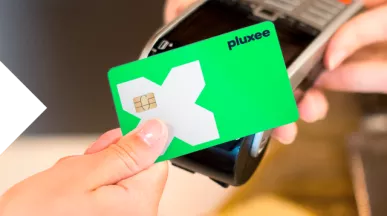
Prepaid reward cards are loaded-value cards that businesses issue as part of an employee recognition or incentive programme [1]. These payment solutions function as customisable tools for customer loyalty, general disbursements and employee rewards. They differ from traditional gift cards tied to a specific retailer [2].
A prepaid business card gives employees controlled access to company money [3]. These cards allow workers to make purchases related to their work without using personal funds. You can allocate physical cards or virtual company cards to specific employees, teams, departments or projects with pre-approved budgets [3].
The difference between reward and incentive prepaid cards matters for programme design. Reward prepaid cards serve as retrospective acknowledgment and are issued after an employee completes a desired action [4]. You can issue these cards right away to celebrate their hard work if your sales team closes a most important deal. Incentive prepaid cards focus on future behaviour. These cards come as part of a structured programme with goals and metrics that are defined [4].
Employee recognition looked like plaques, gift baskets, company-branded merchandise or a bonus line on a paycheck for years [1]. Research and real-life experience show these approaches fall short in three critical ways. Traditional rewards lack personalisation, arrive with logistical delays and provide no data on programme effectiveness [1].
Prepaid reward cards solve all three problems in a way few other recognition vehicles can [1]. They deliver a tailored experience without requiring individualised decisions. You give employees freedom to choose whilst still delivering a reward that feels intentional and thoughtful rather than guessing what each employee wants [1].
Network Options: Visa and Mastercard Benefits
Open-loop options running on Visa or Mastercard networks give recipients freedom to spend their reward however they choose [1]. Recipients can use the Mastercard Incentive Award Card at over 32 million locations worldwide wherever the Mastercard brand is accepted [5]. This global acceptance makes these cards valuable for booking holidays, dining at restaurants, shopping trips or stocking up at supermarkets [5].
Mastercard Business Prepaid solutions don't require credit approvals. This makes the product available to all businesses [6]. The cards provide safer alternatives to cash whilst offering smarter global security. Businesses get peace of mind with prepaid solutions that are accepted and secure [6]. Spending control features strengthen businesses and help them take charge of their expenses with tracking and controls that are streamlined [6].
Visa prepaid cards operate with similar versatility. The Visa Employee Benefits prepaid card offers an innovative way for employers to distribute meal and food benefits to all employees [7]. Issuer banks can offer employees prepaid cards loaded with benefit amounts earmarked for fuel, entertainment and medical expenses beyond meal and food modalities [7].
Both networks enable checkout experiences that are fast and secure online, in store or on the go [6]. Buyers determine the card value and then load the desired amount at purchase. This is how digital prepaid cards operate [6]. Recipients gain flexibility and choice. They can buy what they want from any retailer accepting Visa or Mastercard payments [6].
Security features distinguish these network solutions from cash. Digital prepaid cards offer more security than physical cards. Physical cards can be lost or stolen [6]. You can track the cards and there's no requirement for a bank account [6]. Visa prepaid cards come with Mastercard Zero Liability protection. This protects you against unauthorised transactions in shops, online and in app [6]. Global emergency services provide assistance 24/7 to report lost or stolen cards [6].
The cards function as prepaid payment tools with chip and PIN technology [5]. You can spend up to the balance on your card. All transactions are authorised online at the point of sale [5]. The cards also support part-payment for goods and services. Employees can present their card as the first means of part-payment whilst informing cashiers of the exact amount to debit [5].
The Business Case for Employee Reward Cards
Effect on Staff Retention and Recruitment
Replacing an employee costs between 33% of their annual salary on the conservative end and up to twice their annual salary after you factor in recruitment, training, and lost productivity [3]. A 100-person organisation that provides an average salary of £39,708 could face turnover and replacement costs ranging from £524,146 to £2.06 million per year [8].
Over 66% of employees would quit their job if they felt unappreciated [9]. The financial stakes of recognition programmes become clear. Employees are twice as likely to leave within a year if recognition is missing [9]. Organisations with recognition programmes experience 31% lower voluntary turnover than those without such programmes [8][8].
Employees who receive regular recognition see their tenure improve dramatically. Workers who participate in recognition and rewards programmes experience a 1.29-year increase in their average tenure, whilst those who do not see a 1.44-year decrease [8]. Employees who are recognised are almost six times more likely to stay at their jobs than those who are not [8].
The recruitment advantages extend beyond retention. Better employer ratings on platforms like LinkedIn, Glassdoor and Indeed translate into improved offer acceptance rates, reduced time-to-fill metrics for vacancies and lower average recruitment costs [8]. 63% of employees who feel recognised and appreciated at their job are unlikely to seek new employment [3].
Performance Improvement Through Monetary Incentives
Monetary incentives deliver measurable performance gains that justify their implementation costs. Research demonstrates that prepaid cards improve employee performance by 73% more than non-cardholders [3]. A separate study found monetary incentives worked better than gifts or travel and delivered a 27% increase in overall performance compared with 13% for the latter [3].
Organisations that recognise their employees see a 21% boost in productivity [9]. The performance effect scales after you think over that companies with engaged employees are 21% more profitable [8]. Incentive programmes can boost performance by anywhere from 25% to 44% if implemented correctly [8][8].
The mechanism behind these improvements centres on value perception. Incentives increase performance by boosting the value people assign to work goals and cause them to make stronger commitments to those goals and achieve them [8]. More than 80% of employees say they work harder after they feel appreciated, and nearly 70% state that recognition and rewards play a key role in their decision to stay with an employer [3].
Prepaid reward cards offer advantages over cash that increase their effectiveness. 65% of employees prefer non-cash incentives because they feel more intentional [9]. The cards create ongoing positive reinforcement. The key aspect of changing behaviour is getting positive reinforcement at the time the pleasure is being delivered, which happens every time a prepaid card is used [3].
Research-Backed Results on Engagement
The link between recognition programmes and engagement produces quantifiable business outcomes. Employee engagement runs 14% higher in companies that have recognition programmes [8]. 60% of engaged employees said their total rewards overall are above or well above what other employers offer, whilst only 24% of those who are disengaged said so [8].
Recognition frequency matters for engagement levels. 45% of employees who receive recognition at least once a month report being engaged at work [9]. 81% of employees say they are motivated to work hard after their boss and peers show them appreciation [8].
The research also confirms engagement drives tangible success metrics. 96% of HR professionals agreed that solid evidence exists linking engagement with employee performance and success [8]. Companies labelled as Best Places to Work have shares that grow three times faster than other S&P 500 companies [8].
Absenteeism provides another measurable engagement indicator. Recognition or praise for good work can lead to a 27% reduction in absenteeism [8]. Delta achieved a 40% increase in recognition activity and saw 76% of employees reporting feeling excited to work at Delta each day [8].
Prepaid cards address engagement challenges. 48% of incentive programme planners said prepaid cards are effective or highly effective versus other reward types in driving loyalty and retention [8]. The cards now rank as the most used reward in corporate incentive programmes, with about 75% of organisations using prepaid cards [8].
Types of prepaid employee reward cards available
Reloadable vs single-load cards
Reloadable prepaid cards allow you to add funds multiple times as needed [8]. You load funds through your company bank account or card management platform. Employees then spend within set limits for approved expenses [8]. Managers monitor usage, reload balances instantly, or block cards when necessary [8].
This step-by-step control makes daily spending simple, secure and fully trackable for any team [8]. Reloadable cards handle dynamic and repeated spending much better than single-use counterparts [8]. You can top them up through multiple sources: direct deposits, cash reloads and bank transfers [8].
Non-reloadable prepaid cards hold a fixed amount of funds loaded at issuance and cannot be recharged later [8]. The card expires or becomes inactive once the balance depletes [8]. Single-load cards give you a simple way to distribute a set budget for a specific purpose without ongoing top-ups or administrative effort [8].
Reloadable cards offer distinct advantages when managing cash flow. They enable periodic funding instead of large upfront allocations and keep excess cash available elsewhere [8]. Non-reloadable cards require the full amount funded upfront and lock in costs right away [8].
Reloadable options integrate naturally with accounting systems and automatically sync transactions for expense reporting and audits [8]. This saves time and improves accuracy in monthly reconciliations [8]. Single-load cards involve simpler bookkeeping but may not link as smoothly with automated systems [8].
The use cases differ substantially. Reloadable cards suit long-term needs like travel and recurring team expenses [8]. Non-reloadable cards work for one-time purchases, client incentives, promotional gifts, event expenses, or paying short-term contractors and seasonal workers [8][8].
Branded vs Generic Card Options
Open-loop prepaid cards carry network logos such as Visa or Mastercard. You can use them at any location that accepts those networks [8]. These cards offer maximum flexibility since they're accepted anywhere Visa or Mastercard debit cards are [8].
Closed-loop prepaid cards restrict usage to certain locations [8]. Take the case of a closed-loop card good only at a specific store or group of stores [8]. Most closed-loop cards lack network logos [8].
Multi-brand gift cards sit between these two options. They offer flexibility but can only be used at whichever brands are associated with the card [8]. Single-brand cards limit spending to one retailer but often connect to loyalty programmes that provide additional perks.
Open-loop prepaid cards prove superior when you have international recipients. They can be used in more than 150 countries with automatic currency conversion by the issuer [8]. Multi-brand gift cards remain country-specific most of the time, making them better choices for companies or campaigns within a single country [8].
Research shows gift cards rank as the top requested reward by employees at 90%, requested 20% more than bonuses [8]. The choice between branded and generic options depends on your use case and recipient locations [8].
Merchant-restricted cards for strategic spending
Restricted use cards tailor spending to specific merchants or purchase types, making them perfect for controlled spending in corporate or incentive programmes [8]. These cards help you manage expenses by limiting where and how funds can be used. Spending aligns with company policies and programme objectives [8].
You can configure controls through online dashboards in minutes [10]. Merchant category codes (MCCs) restrict where cards work. You might block entertainment merchants for cards meant only for office supplies, to name just one example [10].
These controls mean the card declines any purchase that falls outside your rules automatically and prevents overspending before it hits your books [10]. Vendor-specific restrictions and customisable spending categories give you precise control [8].
Corporate prepaid cards often limit spending to specific areas such as hotels, airlines and restaurants [8]. This streamlines expense tracking and employers maintain access to all purchase activity [8].
Maximum balance limits differ widely between providers. Spending caps help control fraud risks by limiting funds to fixed amounts [8]. Some cards restrict balances to £5,000 while others allow up to £500,000 [11].
Restricted cards work especially well for benefit purposes. Medical Flexible Spend Account cards restrict purchases to medication, co-pays and pre-approved healthcare expenses [8]. Unused funds from benefit cards revert to the employer that issued them [8].
How prepaid reward cards transform recognition programmes
Personalisation at scale without individual decisions
Prepaid employee reward cards deliver personalised experiences without requiring you to make individualised decisions for each recipient. The card personalises itself at redemption when you give employees choice from catalogues featuring 50+ brands in categories they care about [8]. You don't need to know that one team member prefers dining options whilst another wants retail experiences. Both get accommodated at once.
This approach moves the personalisation burden from sender to product, which is where it belongs at scale [8]. Platforms offering access to 5,000+ brands in 100+ countries mean a single recognition programme covers your entire global workforce [12]. Redemption rates climb above 90% when employees can choose from thousands of brands spanning retail, dining, entertainment and experiences [12].
Message personalisation amplifies this effect substantially. The perceived value increases when you include personalised messages alongside card values [8]. A message referencing specific achievements and specific reasons for recognition outperforms generic thank-you notes every time. Timing functions as personalisation too. Sending a prepaid reward card on the actual anniversary date, not the Friday payroll run, signals attention [8].
Immediate delivery for remote teams
Digital prepaid cards arrive within minutes and ensure employees feel recognised in real-time [10]. No shipping delays, customs issues or address complications affect the delivery process. Your employees receive consistent reward experiences without logistical hurdles, whether they work in Dublin or New York [10].
This proves game-changing for organisations with distributed teams [8]. Recognition delivered right after behaviour occurs is 10x more effective at reinforcing that behaviour than recognition delivered days or weeks later [12]. The reward triggers and lands in their inbox within seconds when someone hits a milestone or closes a deal [12].
Custom-branded cards featuring your company logo and colours create cohesive experiences [8]. Every touchpoint reinforces your organisation's identity and commitment to its people. You can add personalised thank-you messages or team notes and make bulk sends feel individual rather than impersonal [13].
Up-to-the-minute programme performance tracking
Modern prepaid reward card programmes include reporting and analytics tools that track distribution, redemption rates and overall programme engagement [8]. That data is a great way to demonstrate ROI to leadership and optimise programmes over time. Recognition programmes run on gut feeling rather than evidence without this visibility.
You get delivery tracking showing who received, opened or redeemed rewards [14]. Redemption insights and unused balance recovery features help manage budgets well [14]. Every digital gift card transaction generates complete audit trails capturing who received what, when, at what value and in what currency [12].
Platform Integration
Digital gift card platforms integrate with over 250 HR, payroll, ATS, CRM and marketing automation tools [15]. These integrations sync employee data and trigger reward sends from HR events. You don't need to update recipients in multiple places [15].
API integrations let you trigger reward sends based on actions in your CRM, website or platform [15]. Gifting happens when specific events occur. Platforms supporting bulk spreadsheet uploads enable per-recipient personalisation whilst processing thousands of rewards at once [15]. Budget controls set spending limits at the API level and give finance visibility without bottlenecking approvals [12].
Practical applications across different scenarios
Incentivising sales teams and target achievement
Sales incentive programmes represent one of the most immediate applications for prepaid employee reward cards. Businesses invest in non-cash rewards at a rate of 84%, spending approximately £139.77 billion each year to motivate sales staff [11]. Prepaid cards have emerged as the preferred payout method for Sales Performance Incentive Fund programmes.
Target-based rewards through prepaid cards keep staff motivated to go the extra mile, whether based on deals completed or targets met [16]. The cards check all the right boxes for SPIF programmes: they're fast, flexible and motivating [11]. Prepaid solutions ensure timely and accurate reward distribution for companies with hundreds or thousands of sales performers [11]. Just as important, 74% of employees say incentives and rewards matter to them, and these programmes become valuable retention tools [16].
Remote sales teams benefit from prepaid cards in particular. Research shows 84% of remote employees surveyed named prepaid cards their preferred reward [16]. Cash proves accepted universally for partners, employees and customers around the globe. This eliminates the need to work around cultural and political trends as well as logistical issues stemming from availability and delivery of alternative physical rewards [16].
Supporting Remote Employee Wellbeing
Remote and hybrid work models create unique challenges for employee wellbeing initiatives. Over 45% of Ireland's workforce now operates in a hybrid model, with 15% fully remote [8]. Traditional employee benefits like paper vouchers stand irrelevant when employees work from around the world [8].
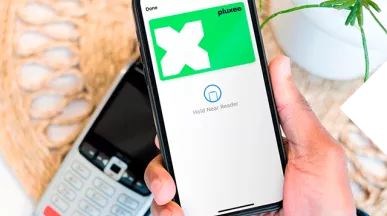
Prepaid employee benefit cards address this change by enabling digital benefits available from any location. Recent IRF research shows remote workers ranked prepaid gift cards as number one [8]. The cards take out the complexities of physical distribution and arrive in employees' inboxes for instant activation and addition to Apple Pay or Google Pay [8].
Financial wellbeing programmes using prepaid cards deliver measurable business benefits. Employees worry less about money and become more focused and energised at work [13]. Improved financial situations boost loyalty and engagement [13]. Stress reduction from financial support programmes lowers absenteeism levels and saves companies money [13]. The benefits you offer become deciding factors when employees think over staying or moving to new opportunities [13].
Managing department budgets and equipment purchases
Prepaid cards provide effective ways to manage departmental budgets such as disability allowances, travel expenses and petty cash replacements, with all transactions recorded and available for analysis [17]. Government procurement cards, to name just one example, handle purchases under £20,000 with overall monthly spending limits of £100,000 [18].
Departments can allocate budgets to prepaid cards for travel, training or procurement. This ensures responsible spending and minimises reimbursement processes [10]. Cards work for purchasing office supplies such as technology and stationery, training materials, business services, client meetings and fleet management [19].
Three card types serve different departmental needs: physical cards issued to specific persons, lodge cards embedded into supplier systems for booking without providing card details each time, and virtual cards as randomly-generated numbers for one-time or multiple uses [18].
Handling travel and expense reimbursements
Travel expense management ranks among the most problematic administrative burdens businesses face. A survey suggests over 83% of employee travellers don't deal very well with trip expenses, with over 26% using personal credit cards to pay off expenses [20]. Employees bogged down by expense forms, lost receipts and delayed reimbursements feel less focused [20].
Prepaid travel cards eliminate these friction points. Pre-loaded with set fund limits to meet employees' travel expenses, the cards avoid any out-of-pocket expenses or lengthy reimbursement cycles [20]. Cards cut out admin work, with spending monitored live via centralised dashboards [20]. The spend amount is pre-approved and pre-loaded, which eliminates the need to manage individual reimbursements [20].
Prepaid cards often offer better exchange rates than low foreign exchange business cards or carrying cash for international travel [21]. Pre-budgeting for entire trips allows managers to make informed decisions regarding future business travel plans [21].
Implementing a successful reward card programme
Establishing recognition criteria and frequency
Your recognition criteria must line up with your organisation's purpose and values before you distribute a single prepaid employee reward card. Start by identifying which accomplishments deserve recognition, then verify that everyone has a genuine chance to participate whatever their tenure, level, function, or location [22]. Clarity in recognition criteria prevents confusion and will give fairness across your entire workforce.
Budget allocation determines programme sustainability. Research shows that budgeting £158.83 to £277.96 per employee per year on recognition helps companies achieve the greatest effect [22]. This figure provides a concrete baseline for financial planning and allows flexibility based on your organisation's size and priorities.
Frequency matters as much as criteria. Recognition delivered right after desired behaviours occurs works far better than delayed acknowledgment. You also need to determine whether recognition happens through top-down manager decisions, peer-to-peer nominations, or automated milestone triggers [23].
Ensuring Consistent Programme Execution
Programme success hinges on senior leadership commitment. Your programme will not succeed if executives don't believe in it [22]. Secure buy-in by spotlighting ROI through metrics that highlight effects on company culture, engagement, retention, customer service quality, and productivity [22].
Training represents another significant execution element. Communication and education are significant when you start a recognition programme. Employees need tangible ideas for how prepaid reward cards work within your systems [22]. Leadership training should cover why recognition matters and how to give it meaningfully [22].
Platform integration streamlines adoption substantially. Your teams adopt recognition practises faster when you integrate with tools they already use, such as MS Teams or Slack [15]. Automated milestone recognition for birthdays and work anniversaries will give everyone acknowledgment without requiring managers to remember every date [15]. Recognition should tie into an employee's first day through onboarding processes that explain how your company values recognition [15].
Your programme also requires regular review and refresh cycles. Employee recognition must evolve over time, or engagement levels revert to previous baselines [15]. Collect feedback from employees to identify areas for improvement and keep the programme lining up with evolving business needs [15].
Customising cards with company branding
Card customisation transforms prepaid rewards into brand extensions. Providers offer the full front face of cards to customise, which maximises effect when you distribute corporate rewards [14]. Every time a cardholder uses a branded card customised with your logo, they're reminded of your organisation and why they value working there [14].
Physical card design elements like colours, typography, and graphics should reinforce your brand identity and remain legible and durable [24]. You can personalise recipient emails with custom messages alongside physical cards featuring your company logo [25]. This branding creates continual exposure that few other rewards can match and makes your investment in recognition programmes more memorable [14].
Managing Security, Compliance and Card Controls
Setting Spending Limits and Restrictions
Spending controls allow you to block merchant categories, countries, merchant IDs, or card presence types and set spending limits per authorisation or per month [26]. You can apply these controls at both card and cardholder levels. This creates precise restrictions tailored to your programme needs. Platforms enable you to set per-card and per-transaction limits, daily or monthly budgets, and time-bound access. They also require approvals for out-of-policy requests [27]. Policies are enforced in real-time at the point of spend [27].
Card controls lists determine how cards can be used through inclusion or exclusion rules [12]. You might include only specific countries as allowed merchant locations whilst excluding all others. Or you could allow only contactless payment methods [12]. Spending aggregation occurs within 30 seconds of transaction completion. Note that additional tips and fees can be posted later and may cause spending limits to be exceeded [26].
Fraud prevention and audit trails
Virtual cards minimise fraud risk through one-time use numbers or vendor-specific restrictions. This makes unauthorised misuse substantially harder [28]. Physical prepaid cards are fully protected with PIN technology and must be activated by the intended recipient [2]. You create layered defences against unauthorised activity when you implement multi-factor authentication for all users and deactivate access the moment employees leave [29].
Modern prepaid cards include mobile apps that prompt users to capture receipts at the point of purchase. These apps extract key data via OCR and match receipts to transactions automatically [27]. The system would block any attempt to use virtual card numbers outside their intended purpose and leave clear and secure audit trails [28]. It prevents duplicates where possible and flags missing or non-compliant items to review [27].
Meeting KYC requirements for corporate programmes
Customer Due Diligence requirements apply where prepaid cards have values of €150 or more and for remote payment transactions exceeding €50 [30]. Valid proof of identity and proof of current residential address will be required for persons who own or control the customer [31]. Enhanced Due Diligence applies for users engaging in high-volume transactions. This involves verification of user identity and transaction details before approval [32].
Overcoming common challenges and concerns
Educating HR teams on card benefits
Education, evangelising, and marketing remain the top three priorities for prepaid marketers [16]. Your HR teams need structured training on how prepaid employee reward cards function within existing systems, especially when you have tangible implementation examples that prove significant when you start recognition programmes. Many HR professionals lack familiarity with these solutions despite their proven effectiveness.
Avoiding catalogue fatigue issues
Catalogue customisation prevents reward option overload. You can remove competing brands, rewards, and product categories that don't match your company values [11]. Adding your own branded merchandise as reward options strengthens programme identity [11]. Setting price ranges for rewards shown to users will give employees options appropriate to their recognition tier [11]. This targeted approach keeps catalogues relevant without overwhelming recipients.
Ensuring cards drive aspirational purchases
Aspirational rewards create lasting impact that transactional rewards cannot match. High-value experiential options like travel and luxury experiences generate emotional resonance employees remember long after the moment passes [33]. Research shows employees seldom request what they've never seen offered [33]. Expanding reward catalogues with aspirational options signals forward-thinking programme design before employees ask for these choices [33].
Conclusion
Prepaid employee reward cards address three critical workplace challenges at once: retention, engagement, and performance improvement. Cards now rank as the most requested reward option. This gives you a clear chance to modernise your recognition strategy.
The implementation process doesn't need to be complicated. Start with clear recognition criteria, secure leadership buy-in, and integrate cards into your existing HR systems. Organisations see measurable results within weeks of launching properly structured programmes.
Choose cards that offer spending flexibility, strong controls, and brand customisation. Match the right solution to your workforce's needs. Prepaid reward cards then become effective instruments for building the engaged, high-performing team your business requires.
FAQs
What are prepaid employee reward cards and how do they differ from traditional gift cards?
Prepaid employee reward cards are loaded-value cards issued by businesses as part of recognition or incentive programmes. Unlike traditional gift cards tied to specific retailers, these cards typically run on Visa or Mastercard networks and can be used at millions of locations worldwide. They offer employees the flexibility to choose how they spend their reward, whether on dining, shopping, travel, or other purchases, making them far more versatile than single-retailer options.
How do prepaid reward cards improve employee retention and engagement?
Prepaid reward cards significantly impact retention, with organisations using recognition programmes experiencing 31% lower voluntary turnover. Employees who receive regular recognition are almost six times more likely to stay in their jobs, and 63% of those who feel appreciated are highly unlikely to seek new employment. These cards also boost engagement by 14% and can improve performance by up to 73% compared to non-cardholders, whilst reducing absenteeism by 27%.
What's the difference between reloadable and single-load prepaid cards?
Reloadable prepaid cards allow you to add funds multiple times as needed, making them ideal for ongoing expenses like travel or recurring team costs. Single-load cards hold a fixed amount that cannot be recharged and expire once depleted, making them suitable for one-time purchases, event expenses, or short-term contractor payments. Reloadable cards offer better cash flow management and integrate more easily with accounting systems, whilst single-load cards provide simpler administration for specific purposes.
How quickly can prepaid reward cards be delivered to remote employees?
Digital prepaid cards arrive within minutes of being issued, ensuring employees receive recognition in real-time regardless of their location. This immediate delivery eliminates shipping delays, customs issues, and address complications that affect physical rewards. Whether your team members work in Dublin or New York, they receive consistent reward experiences instantly in their inbox, which they can activate and add to Apple Pay or Google Pay immediately.
What security features and spending controls are available with prepaid employee reward cards?
Prepaid cards include robust security features such as chip and PIN technology, multi-factor authentication, and Mastercard Zero Liability protection against unauthorised transactions. You can set spending limits per transaction or monthly, block specific merchant categories or countries, and restrict card usage to approved vendors. Virtual cards offer additional fraud prevention through one-time use numbers, whilst all transactions create complete audit trails for compliance and expense tracking purposes.
References
[1] - https://www.storedvalue.com/blog-posts/how-prepaid-reward-cards-are-changing-employee-recognition
[3] - https://employeebenefits.co.uk/how-employers-should-use-pre-paid-cards-to-motivate-staff/135042.article
[6] - https://runa.io/blog/benefits-of-visa-prepaid-cards/
[7] - https://www.visa.com.jm/pay-with-visa/find-a-card/prepaid-cards/visa-employee-benefits.html
[10] - https://www.b4bpayments.com/prepaid/streamlining-payroll-and-payments-in-the-public-sector/
[12] - https://docs.solarisgroup.com/guides/cards/card-spending-controls
[13] - https://www.pluxee.uk/blog/reward-recognition/what-is-a-prepaid-card/
[16] - https://www.siliconindia.com/guestcontributor/guestarticle/203/the-challenges-of--prepaid-cards-business-shrihari-bhat.html
[17] - https://www.thepaymentsassociation.eu/sites/default/files/2021-03/Guide-to-the-use-of-prepaid-cards-in-local-government-2nd-ed.pdf
[18] - https://assets.publishing.service.gov.uk/media/5e8b402686650c18ce2cb541/Procurement_Cards_-_Pan_Government_Policy_V4_06042020.pdf
[19] - https://www.jpmorgan.com/insights/treasury/cards-expense-management/what-is-a-p-card-how-purchasing-cards-work
[21] - https://www.soldo.com/en-gb/blog/expenses/benefits-of-using-prepaid-cards-for-international-business-travel/
[24] - https://redyref.com/custom-prepaid-card-programmes-implementation-guide/
[26] - https://docs.stripe.com/issuing/controls/spending-controls
[27] - https://www.spendesk.com/blog/prepaid-employee-expense-cards/
[28] - https://www.wexinc.com/resources/blog/audit-trails-made-easy-with-virtual-cards/
[30] - https://www.napier.ai/post/5mld-compliance-new-requirements-for-prepaid-cards
[31] - https://www.gov.uk/government/publications/know-your-customer-guidance/know-your-customer-guidance-accessible-version
[32] - https://prepaid2coin.com/blog/Understanding-Prepaid-Card-Limits-and-How-Prepaid2Coin-Handles-Large-Transactions
[33] - https://www.switchfly.com/blog/aspirational-rewards-competitive-advantage