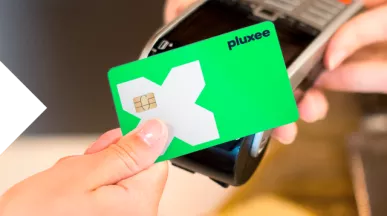
Why employee benefits prepaid cards are changing how companies reward their teams
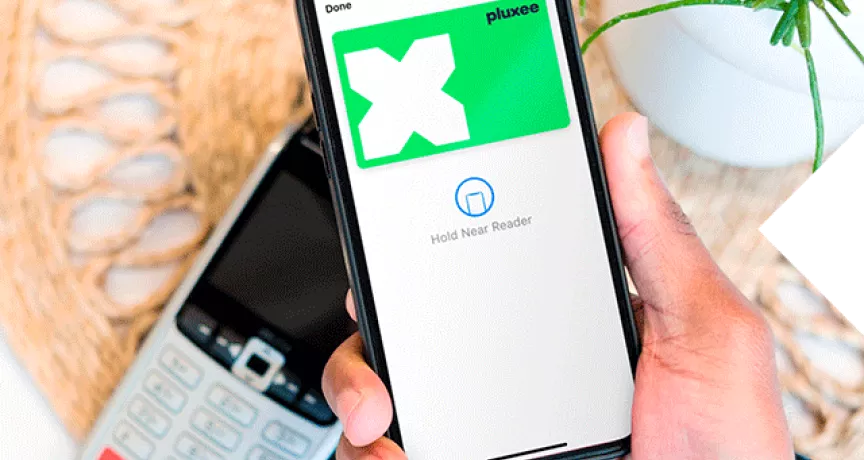
Employee benefits prepaid cards have altered the corporate rewards map. Research shows they now account for 81% of all employee rewards programmes and surpass traditional perks like merchandise and additional time off. This change reflects how you can recognise and reward your team differently.
This piece explores why these cards are replacing conventional reward systems and how they benefit both employers and employees. You will also learn what you need to know to implement them in your organisation.
The shift in how companies approach employee rewards
From traditional benefits to flexible solutions
Workplace benefits spent decades following a paternalistic model. Employers chose what workers needed: pensions for retirement, insurance coverage for emergencies, death in service protection for families. This provider mentality shaped benefit packages around core offerings like permanent health insurance, critical illness cover and private medical insurance [1].
The relationship between employer and employee has changed. Companies now position themselves as enablers rather than providers and recognise that workers understand their own needs better than any HR department [1]. This move began with flexible benefits programmes that offered limited swaps at first, such as trading life cover for additional pension contributions. The concept evolved into genuine choice across the entire benefit mix over time [1].
Your workforce spans different life stages and priorities. A recent graduate values a season ticket loan differently than a working parent needs childcare support. Research reveals that less than 10% of millennials prioritise saving for retirement [1]. They worry about managing debt, saving and accumulating deposits for first homes. A workplace Lifetime ISA that helps with house purchases outperforms even the most generous pension scheme in involvement and seen value for these employees [1].
The data supports this personalisation approach. When surveyed, 80% of employees stated they would choose improved employee benefits over a pay rise [2]. Workplace flexibility topped retention factors at 41%, followed by meaningfulness of work at 39% and health and wellness support at 30% [3]. Rigid, standardised benefit structures no longer meet workforce expectations, these priorities signal.
Why cash bonuses are losing appeal
Cash bonuses face mounting criticism from both research and practise. A 2023 study that examined 232 locations of a German retail chain found that apprentices receiving cash bonuses for attendance started showing up to work less often than those offered extra vacation days [4]. The monetary incentive changed baseline expectations and signalled that arriving at work was somehow exceptional rather than normal [4].
Managers prove equally susceptible to this dynamic. Research across 224 retail locations divided managers into three groups tasked with increasing profits. One group attended bi-weekly strategy meetings, another received 5% of profit increases, and the third received both meetings and cash bonuses. The meeting-only group succeeded in boosting company profits [4]. The bonus eliminated the positive effect of the meetings [4].
Year-end cash bonuses are declining across industries. A survey of about 150 human resources executives found that 39% of companies planned to award performance-based cash bonuses, down from 41% the previous year [5]. Meanwhile, 35% indicated no year-end award of any type, up from 30% in 2016 [6]. Bonus amounts also shrank, with the median falling to £1,418.37 in 2024 from £1,474.76 in 2023 [7].
The problem extends beyond involvement. Cash bonuses create immediate gratification without lasting retention value. Stock options vest over time, but cash lands in accounts and often triggers job searches. Bonuses can also incentivize the wrong behaviours, create inequity between team members and make employees question whether their suggestions stem from genuine improvement efforts or chasing rewards [4][6].
The rise of prepaid card solutions
Prepaid cards emerged as the answer to these evolving needs. The old model of annual bonuses and rigid payroll structures gave way to dynamic, personalised and immediate solutions [8]. Workers now expect faster access to money for all aspects of compensation, including recognition and incentives [8].
Real-time payments and digital wallets created this expectation. Employees split paychecks between accounts, access same-day transfers and receive earnings on demand. This customisation extends to rewards [8]. Unlike traditional programmes that need weeks to process or come with spending restrictions, employee benefits prepaid cards offer instant, flexible fund access [8].
The move goes beyond speed. Prepaid cards integrate with HR platforms to track reward usage and reveal whether employees spend on essentials, experiences or leisure. This data helps you refine incentive strategies [8]. You can adjust programmes to maximise effect when certain reward types relate to higher involvement and lower turnover [8]. Tracking will give a fair distribution arranged with company goals [8].
Payroll cards and similar prepaid solutions reshaped compensation for contract workers, seasonal employees and gig economy participants. Instant issuance changes everything when someone's entire employment experience spans five days at an event [9]. Pay experience can win or lose talent in tight labour markets, making it important that workers receive payment in their preferred method [9].
What are employee benefits prepaid cards
How prepaid cards work for employee rewards
A prepaid card allows you to spend whatever amount has been loaded onto it. Once that balance depletes, the card stops working [10]. These cards look like any other payment option with a card number, expiry date and CVC [11]. You use them as you would a credit card: online, in-store, via mobile wallets, contactless payments and over the phone [11].
The preloading mechanism sets them apart. Your employer deposits a specific amount onto the card before you receive it. You can't spend one penny above that preloaded balance [11]. Companies managing reward budgets and expense controls find this useful.
An employee benefits prepaid card gives you instant access to funds. You can withdraw cash at an ATM instead of waiting for deposited cheques to clear [11]. The cards work at millions of merchants worldwide through major card networks [11]. Mobile wallet integration means you can add them to Apple Pay or Google Pay.
Physical cards function through swiping and signing, chip and PIN, or contactless payments [11]. Virtual versions work for online purchases. Some systems generate one-time-use card numbers for specific transactions and reduce fraud risk [11]. Recurring cards handle online subscriptions, with set limits that approve eligible charges without manual intervention [11].
Your employer controls access through spending parameters. Managers set per-card and per-transaction limits, daily or monthly budgets and time-bound access [11]. Some cards require approval for out-of-policy requests. Others allow high-level employees greater financial freedom through higher preset amounts.
Main differences from regular debit cards
Prepaid cards disconnect from your main bank account and reduce risk when distributed to multiple employees [11]. Regular debit cards draw directly from checking or savings accounts. Employee benefits prepaid cards operate independently.
You cannot exceed the loaded amount on a prepaid card. Regular debit cards allow spending up to your account balance plus any overdraft facility. This hard limit on prepaid cards prevents overspending and helps companies control budgets with precision.
Bank account requirements differ by a lot. You can receive and use a prepaid card even without a traditional bank account [8]. This matters for workers who lack banking relationships or prefer to keep reward funds separate from personal finances.
Fee structures vary between card types. Tax authorities treat prepaid cards that allow ATM cash withdrawals as earnings subject to income tax and national insurance deductions [12]. Cards restricted to purchasing non-cash goods and services avoid income tax [12].
Types of prepaid cards companies use
Different prepaid card types serve distinct purposes. Your choice depends on how much spending flexibility you provide and which behaviours you encourage.
| Card type | Function | Best use case |
| Open loop cards | Accepted anywhere major card networks operate [10] | General employee benefits requiring maximum flexibility [10] |
| Close loop cards | Restricted to specific merchants or service providers [10] | Targeted incentives at particular retailers [10] |
| Semi open loop cards | Usable at multiple merchants within a predefined network [10] | Specialised vendor relationships and niche benefits [10] |
| Reward cards | Given as appreciation tokens without predefined objectives [10] | General employee recognition and customer loyalty [10] |
| Incentive cards | Designed to encourage specific behaviours or achieve particular goals [10] | Sales incentives and performance-based rewards [10] |
Tax-free employee benefits cards offer additional advantages. Employers in some jurisdictions can load up to £1,500 annually as a non-cash benefit that's completely tax-free [11]. Other regions allow up to 50 euros monthly for purposes like fuel vouchers or meal allowances [11].
Branded cards strengthen company identity. You can customise prepaid cards with your corporate logo and messaging [12]. Your brand stays visible each time employees use their rewards and reinforces appreciation and recognition.
Why prepaid cards are replacing traditional reward systems
Instant reward delivery vs. delayed processing
Traditional reward programmes operated on frustrating timelines. Employees submitted claims, managers approved requests, finance teams processed payments, and workers waited weeks or months for funds to arrive. Prepaid cards eliminated this cycle.
Insurance claims demonstrate the transformation. Claims are adjudicated live now, payments process right away, and funds become available on the spot [11]. Agents assess situations and load prepaid cards at the scene for use right away instead of filing paperwork and waiting [11]. Emergency scenarios benefit from this speed in particular, as families receive cards on-site with money to purchase food, clothing and shelter [11].
Digital gift cards can be delivered to any employee on the spot, anywhere in the world [8]. This removes shipping delays, geographic limitations and logistical complications for organisations with remote or distributed teams [8]. Recognition happens at the moment it matters most rather than weeks after the achievement occurred.
Lower administration costs for employers
Processing expenses through traditional methods drains resources. Businesses spend an average of 20 minutes processing a single expense report, costing nearly £46.06 per report [10]. Switching to prepaid card issuing cuts both processing costs and time and allows employees to focus on core business tasks [10].
The savings extend beyond individual transactions. Independent research identifies savings of up to 22 per cheque when using prepaid cards compared to traditional payment methods [10]. One council reported expecting to save the equivalent of four members of staff by avoiding moving large amounts of cash around from place to place [10].
Prepaid cards lower the cost of carrying out business processes by automating operations that were handled through bank transfers or cash [10]. Automating fund transfers means costs fall whilst quality improves as recipients receive money more quickly, according to service quality metrics [10].
Elimination of reimbursement paperwork
Reimbursing employees creates tedious, time-consuming processes for both workers and finance teams. Employees pay out of pocket, submit receipts and wait for approval whilst accounting teams spend hours verifying expenses and issuing payments [10]. Prepaid cards eliminate this cycle by providing employees with access to preloaded funds and will give them what they need when they need it without paperwork and delays [10].
Prepaid card transactions for employee reimbursement are logged on autopilot, which removes the need for employees to save receipts or enter data into systems on their own [11]. The reimbursement cycle becomes unnecessary since funds are preloaded rather than paid after purchases [11]. This saves immense time and administrator costs [11].
Transactions appear live through online dashboards and reduce manual receipt collection and reconciliation [10]. Many platforms include mobile receipt capture, so employees snap photos of receipts and attach them to transactions on the spot [10]. Finance teams categorise spending right away instead of sorting through month-end reports [10].
Better tracking and reporting capabilities
Automated expense tracking solutions, including prepaid card programmes, reduce reporting errors by up to 60% and improve compliance with corporate policies [10]. Prepaid cards simplify processes by providing digital records of every transaction and reduce errors while removing manual data entry [10].
Smart dashboards enable managers and finance teams to check card usage live, set restrictions on spending categories and receive alerts for non-compliant transactions [11]. This visibility prevents fraud and makes compliance with expense policies easier [11]. Every transaction is logged live and gives finance teams full insight into expenses [11]. Such transparency keeps companies audit-ready [11].
Modern prepaid card programmes come with reporting and analytics tools that let HR teams track distribution, redemption rates and overall programme engagement [8]. That data is a great way to get ROI demonstrated to leadership and programmes optimised over time [8]. Without that visibility, recognition programmes often run on gut feeling rather than evidence, which makes it difficult to justify budget or make informed improvements [8].
Most modern prepaid platforms offer integration with popular accounting tools such as Zoho Books, QuickBooks and Tally [11]. Expense data gets synced live and removes barriers of manual uploads or data entry [11].
The employee perspective: why workers prefer prepaid card benefits
Freedom to choose how to spend rewards
Prepaid cards offer something better than generic gifts: real choice [13]. You want to put your reward toward a weekend getaway, a new gadget, or daily coffee? A prepaid card lets you decide what feels like a reward to you [13]. This freedom turns recognition into a chance to enjoy your success in a manner that suits you best [10].
Open-loop prepaid cards running on Visa or Mastercard networks give you the freedom to spend your reward however you choose [13]. You can use these cards at over 45 million locations in over 200 countries [10]. You don't need to search a directory to see whether a store will accept your card [10]. This universal acceptance means you're not limited to certain brands or retailers that may not arrange with your priorities.
The psychological effect is one of the most underrated parts. Direct cash bonuses disappear into daily living costs. Prepaid cards serve as a form of savings for bigger or more personal purchases [10]. You might use your card to budget for special occasions, plan for an upcoming holiday, or save toward a family event [10]. Those who prefer managing finances with clear goals in mind value this planning aspect [10]. To cite an instance, employees describe prepaid card rewards as "guilt-free spending" because the funds feel separate from regular income [14].
No banking fees or minimum balance requirements
You won't need a credit score to apply for a prepaid card [11]. No credit check is required since these cards aren't linked to a checking account or credit line [11]. This approach eliminates approval barriers that traditional banking products impose.
The cards prevent overspending through built-in controls. Funds you add are available right away. The card will be declined if you try to spend more than you have [11]. There's no risk of going into debt [11]. Credit cards accrue interest charges if you carry a balance. Prepaid cards stop you from spending beyond your loaded amount [11].
You can spend what's loaded on the card only, making it harder to overspend [15]. This budgeting advantage helps you maintain financial discipline without monitoring multiple accounts. Checking accounts may impose monthly maintenance fees or minimum balance requirements. Many employee benefits prepaid cards come with no such restrictions [13].
Access to funds without a traditional bank account
Prepaid cards unlock new possibilities for everyone because there's no bank account required [9]. This accessibility benefits unbanked consumers when there's little to no access to safe or low-cost banking alternatives [11]. Employers can use prepaid cards for employees who don't have a checking account [11].
You can sign up for recurring monthly bill payments and direct deposit with a prepaid card [11]. Some providers let you have wages, Universal Credit, or other benefits paid onto the card by providing you with an account number and sort code [15]. This functionality gives you the same payment capabilities as traditional banking without the barriers to entry.
Prepaid cards are a gateway solution for those without conventional banking services who need a payment alternative [11]. You can pay bills, receive direct deposits, transfer money, and withdraw funds at ATMs [11]. These features deliver the benefits of a credit card or checking account without a credit check or involved application process [11].
Integration with digital wallets and payment apps
Digital employee benefit cards can be added to Google Pay or Apple Pay [10]. You can make payments without presenting your card physically with just a tap or click [16]. This contactless functionality aligns with how modern payments work and enables NFC transactions and integration with services like Apple Pay [16].
Digital wallets allow you to store and manage multiple payment methods in one place [16]. You can link your prepaid card among other accounts and keep it as your primary spending tool [16]. Reloadable Visa prepaid cards work with digital wallets for quick, easy and secure payments online, in-store or using your mobile device [9].
Managing your card becomes simple with free mobile apps. You can view your remaining balance and recent transactions in one step once activated [10]. No more guessing if there's enough left on the card to cover a purchase; simply check in the app [10]. This up-to-the-minute visibility helps you track spending, categorise expenses, and set alerts for low balances [17].
Security features add another layer of protection. Prepaid cards are safer than cash and allow you to recover your money in case of loss or theft [9]. You can freeze or replace your card via an app [10]. There's no direct link to a bank account or credit card, so the financial risk is limited to the amount loaded in the wallet [17].

How prepaid cards strengthen company culture and retention
Improved employee satisfaction scores
Recognition programmes built around prepaid cards deliver measurable improvements in workplace satisfaction. More than 80% of employees report working harder when they feel appreciated, and nearly 70% state that recognition and rewards play a major role in their decision to stay with an employer [8]. These aren't marginal gains. The data reveals that 69% of workers would increase their effort if their contributions received better acknowledgement [18].
Research also shows that 41% of employees prefer prepaid or gift cards as rewards, even though only 20% receive them currently [13]. This gap creates a chance to match what your people want. The appeal goes beyond preference. Prepaid cards are proven to be among the most effective rewards for encouraging loyalty and retention, according to the Incentive Research Foundation [13].
Reduced turnover in competitive industries
Losing a valuable team member comes with a hefty price tag. Studies estimate that replacing an employee can cost anywhere from half to twice their annual salary once you factor in recruitment, training and lost productivity [8]. Those costs add up fast for companies with high turnover.
Companies with strong recognition programmes report 31% lower turnover rates [18]. A PwC survey found that 79% of employees leave roles because they lack appreciation [18]. Structured reward systems using prepaid cards address the root cause of attrition rather than simply reacting to departures, based on these findings.
Creating a sense of value and appreciation
More than 75% of incentive programme planners believe prepaid cards are among the most effective of all rewards, especially in driving loyalty and engagement [19]. The majority of these planners think prepaid cards are more meaningful and personal than cash [19].
Recognition through thoughtful, tangible rewards builds loyalty and strengthens company culture [18]. Employees who feel valued stay longer, perform better and become ambassadors for your brand [18]. Prepaid cards serve as tangible symbols of appreciation. You feel acknowledged and motivated to continue performing at your best when you receive a prepaid card as an incentive [19].
Building brand loyalty through custom card designs
A branded employee benefits prepaid card keeps your logo and message front and centre each time the card is used [13]. Employees are more likely to remember what they purchased with the card and associate that positive experience with your company [13]. Custom branding also creates a sense of personalization without limiting choice [13]. You can design the look, include recognition messages and tie the reward into themed campaigns whether the card is physical or digital [13]. That combination of flexibility and personalization makes branded cards both memorable and meaningful.
Real-world results: companies succeeding with prepaid card programmes
Sales teams and commission structures
Businesses that rely on channel incentives and referral payments benefit substantially from prepaid card programmes. You can issue sales representatives and channel partners with cards, then send incentive payments to their prepaid accounts [12]. This approach prevents rewards from disappearing into everyday bank account spending. Funds that land in regular accounts get swallowed up by direct debits and bills [12]. Prepaid cards give recipients complete control over how they spend incentives and add more meaning and effect to the reward [12].
Digital gift cards delivered in an instant provide powerful motivation for sales performance incentives and SPIFFs [15]. The moment a representative wins a contest, you can send them a high-value digital Visa gift card or let them choose from hundreds of options. This provides immediate gratification that cash payroll bonuses cannot replicate [15]. Research shows that prepaid cards are now the most frequent reward in corporate incentive programmes [20]. They're being used for spot rewards, holiday bonuses, merchandise, dining and travel [20].
Gig economy and payroll applications
The hospitality industry demonstrates the practical value of prepaid cards. Restaurants once paid to have cash delivered just to distribute tips [21]. Prepaid cards now let employees access tips the same day they earn them without the risks of carrying cash [21]. Grazzy integrated the U.S. Bank Focus Card in March and allowed employers to route digital tips to physical debit cards. This gives employees instant access to earnings at shift end [21].
Quick-service restaurants with multiple locations use prepaid products to improve operations [9]. They operate much more efficiently with one product and one disbursement method than delivering cheques to each different location [9]. Gig economy workers juggle multiple jobs and expect prompt payment. Immediate access to earnings makes a substantial difference in managing daily expenses for them [21].
Corporate incentive and recognition programmes
Survey data reveals strong support for prepaid cards among incentive planners. Seventy-five percent reported that prepaid cards are among the most effective rewards they have when you think over all factors including costs, effect on recipients and outcomes [20]. Almost half believe that prepaid cards are the most effective reward available dollar for dollar [20]. The largest reason given for using prepaid cards was that they're easier to administer than most other rewards. Thirty-seven percent of respondents cited this [20].
Implementation: launching a prepaid card for employees programme
Choosing the right card platform
Define what you want to achieve with your prepaid card programme [11] before anything else. Do you focus on employee incentives, customer rewards, or expense management? Your objectives guide the card type most suitable for your needs [11]. Open-loop cards provide maximum flexibility. Closed-loop cards limit usage to specific venues, and semi-open-loop options balance both approaches [22].
Selecting a reliable vendor determines programme success. Look for providers that offer immediate analytics, regulatory compliance and multilingual support [11]. Some platforms can be ready to use in just a few minutes without complex approval workflows [17]. Assess whether you need physical cards, virtual cards or both [16]. Virtual card issuance makes secure digital payments possible, with some systems generating up to 15,000 different card numbers for boosted transaction protection [16].
Setting up spending controls and limits
Modern prepaid card platforms let you configure controls through online dashboards in minutes [23]. Per-transaction limits cap individual purchase amounts to prevent unauthorised spending [23]. Daily or monthly caps control total spending over time for each prepaid card for employees [23]. Merchant category codes restrict where cards work and block entertainment merchants for cards meant only for office supplies [23].
Cards automatically decline purchases that fall outside your rules [23]. You can set individual spending limits for each employee using a prepaid card and eliminate risks of overspending and misuse [16].
Integration with existing HR systems
Integration requires IT architecture that processes transactions and connects to existing systems such as enterprise resource planning or accounting software [24]. Modern platforms integrate directly with BambooHR, Workday or Slack and allow you to connect employee data to automated reward triggers [10]. Upload bulk employee data or connect via API, set triggers, then monitor all transactions in a single dashboard [10].
Rolling out to your team
A strong launch strategy improves adoption [22]. Preparation begins with staff training on how to manage and distribute cards, followed by educating recipients about effective use [11]. Many operators begin with a soft launch to refine messaging and identify system issues before full rollout [22]. Post-launch, monitor programme performance using immediate analytics to make evidence-based decisions [11].
Common challenges and how to overcome them
Employee adoption and education
Your prepaid card for employees programme risks misuse, policy violations, and financial discrepancies without proper training [14]. Employees just need clear guidance on spending limits, approved expense categories, and timely reporting procedures [14]. Training should cover card activation, secure storage of card details, and immediate reporting of lost or stolen cards to prevent unauthorised transactions [14]. Workers must understand the difference between allowable business expenses and prohibited personal purchases [14].
Security and fraud protection
Prepaid cards face vulnerabilities that criminals exploit. Identity thieves use stolen personal information to activate or reload cards. Phishing scams trick cardholders into revealing PINs and card details [25]. Card cloning through skimming devices at ATMs poses additional risks [25]. AI and machine learning algorithms now analyse transaction patterns live and flag unusual spending locations or rapid balance depletion for immediate intervention [26]. Biometric authentication adds another security layer and makes unauthorised access harder [26].
Managing multiple card types
Businesses juggle open-loop, closed-loop, reloadable, and single-use cards at once [19]. Hidden fees including activation, maintenance, and transaction charges erode card value fast [19]. Prepaid cards can strain cash flow for businesses with tight liquidity because of advance funding requirements [23].
Compliance and regulatory requirements
Legal compliance demands adherence to Anti-Money Laundering and Bank Secrecy Act regulations [19]. Understanding tax implications for both your company and employees remains paramount [19]. The Fifth Anti-Money Laundering Directive lowered customer due diligence thresholds to £150 for prepaid cards and requires enhanced verification procedures [27].
Conclusion
Employee benefits prepaid cards represent more than just a payment method. They're a strategic tool that transforms how you recognise and retain talent. Given that 81% of reward programmes now use these cards, the evidence speaks for itself: flexibility, instant delivery and lower administration costs outperform traditional bonuses and rigid benefit structures.
Successful implementation comes down to choosing the right platform and setting clear spending controls. You need to educate your team. The technology exists, the adoption barriers are minimal, and employee preference is proven. Your next step: review providers, pilot the programme and start delivering rewards that your people actually want to use.
FAQs
What makes employee rewards programmes effective in the workplace?
Employees who feel valued through recognition programmes demonstrate higher loyalty, improved collaboration, and better performance. These programmes boost morale and create a culture of appreciation, resulting in increased productivity and stronger workplace engagement across teams.
Why are prepaid cards preferred over cash bonuses for employee rewards?
Prepaid cards provide employees with a dedicated reward that feels like a special treat, separate from regular income. Unlike cash bonuses that typically go towards bills and everyday expenses, prepaid cards encourage employees to purchase something meaningful they might not normally buy, making the recognition more memorable and impactful.
How do prepaid employee incentive cards work?
Prepaid employee incentive cards function as preloaded payment cards that can be used wherever major card networks are accepted. Employers load a specific amount onto the card, and employees can spend up to that balance on purchases, making them ideal for sales promotions, performance rewards, and various employee recognition initiatives.
Are gift cards to employees considered taxable income?
Gift cards and gift certificates are treated as cash-equivalent compensation by tax authorities, regardless of the amount. This means they are taxable and must be reported as income, unlike certain small non-cash gifts which may qualify as de minimis benefits and remain non-taxable.
What advantages do prepaid cards offer over traditional reward systems?
Prepaid cards deliver instant reward delivery, eliminate reimbursement paperwork, and provide better tracking capabilities compared to traditional methods. They also reduce administration costs for employers whilst giving employees the freedom to choose how they spend their rewards, leading to higher satisfaction and improved retention rates.
References
[1] - https://reba.global/content/reward-flexibility-how-traditional-benefits-are-being-disrupted/
[2] - https://www.zhooshbenefits.co.uk/fixed-vs-flexible-the-future-of-employee-benefits/
[3] - https://www.awardco.com/uk/blog/traditional-vs-non-traditional-benefits-what-do-employees-want
[4] - https://fortune.com/2024/09/04/cash-bonus-incentives-backfire-worker-performance-productivity-research-study/
[5] - https://sparktoro.com/blog/why-cash-bonuses-make-no-sense-in-startups/
[6] - http://www.challengergray.com/blog/more-employers-ditching-year-end-bonus-2/
[7] - https://www.benefitnews.com/news/how-leaders-can-enforce-employee-appreciation-amidst-shrinking-bonuses
[8] - https://www.berkeleypayment.com/blog/employee-rewards-and-retention-the-role-of-prepaid-cards-in-hr-strategies
[9] - https://www.paymentsjournal.com/tips-on-a-prepaid-card-a-practical-solution-with-broad-industry-impacts/
[10] - https://www.giftronaut.com/blog/hr-automation-for-gift-cards-streamline-recognition-in-minutes
[11] - https://alldigitalrewards.com/blog/how-to-implement-a-prepaid-card-programme-in-your-organisation/
[12] - https://www.pluxee.uk/blog/reward-recognition/what-is-a-prepaid-card/
[13] - https://www.groupo.com/company-branded-holiday-visa-cards
[14] - https://www.volopay.com/blog/employee-training-on-prepaid-cards-usage/
[15] - https://www.giftronaut.com/blog/sales-commission-structures-complete-guide-to-types-rates
[16] - https://wallester.com/blog/business-insights/top-prepaid-business-cards-uk
[17] - https://runa.io/blog/getting-started-digital-gift-cards-hr-teams/
[18] - https://www.swirlcard.com/employee-retention-recognition-vs-recruitment/
[19] - https://alldigitalrewards.com/blog/leveraging-prepaid-cards-as-wellness-incentives-an-ultimate-guide/
[20] - https://theirf.org/research_post/its-in-the-cards-an-in-depth-look-at-prepaid-cards-in-incentive-rewards-recognition-programmes/
[21] - https://www.usbank.com/about-us-bank/news-and-stories/article-library/prepaid-payroll-cards-increasingly-used-as-tool-for-employers.html
[22] - https://redyref.com/custom-prepaid-card-programmes-implementation-guide/
[23] - https://ramp.com/blog/using-a-prepaid-credit-card-for-business
[24] - https://stripe.com/resources/more/how-to-launch-a-prepaid-virtual-card-programme-a-guide-for-businesses
[25] - https://www.tookitaki.com/compliance-hub/prepaid-debit-cards-and-their-role-in-financial-crimes
[26] - https://www.chargebackgurus.com/blog/prepaid-card-fraud
[27] - https://www.napier.ai/post/5mld-compliance-new-requirements-for-prepaid-cards