
Employee recognition card: The essential guide for UK businesses

Employee recognition cards offer UK businesses a practical solution to boost morale and improve retention without complex administrative overhead. Your workforce expects acknowledgement for their contributions, yet many organisations struggle to implement consistent recognition practises. Employee recognition cards provide a structured way to appreciate staff and maintain budget control, whether physical, digital, or hybrid. This piece covers everything you need to know about the types of recognition cards available and implementation strategies. You'll also learn about costs, HMRC tax implications, and methods for measuring programme success. You'll learn how to design cards that work and create a lasting recognition culture within your organisation.
In a hurry? Here are the top three takeaways on our blog on employee recognition cards.
1. Recognition only works when it feels meaningful, not mechanical: Employee recognition cards can help businesses make appreciation more consistent, but the message, timing and personalisation matter. Generic praise risks feeling empty, while specific recognition linked to behaviours, values or impact helps employees feel genuinely valued.
2. Recognition cards can support retention, morale, and culture when used strategically: Recognition is linked to higher morale, stronger engagement, and lower turnover. Recognition cards are not just a “nice to have”; they can help reinforce culture, improve loyalty, and show employees that their contributions matter.
3. The right format, budget and measurement approach are essential: Physical, digital and hybrid recognition cards each have different strengths, so businesses should choose based on workforce needs, culture and occasion. The blog also highlights the importance of setting a realistic budget and measuring participation, feedback and retention impact over time.
Got time to stick around? Let's dive a little deeper.
What is an employee recognition card?
An employee recognition card is a tool that allows you to express gratitude and acknowledge staff contributions in a tangible format. These cards serve as constant reminders of your employees' value to the organisation, whether you deliver them physically or digitally. Recognition cards bridge the gap between verbal praise and formal recognition programmes, offering a personal touch that appeals to your workforce.
Physical recognition cards
Physical recognition cards maintain their appeal in an increasingly digital workplace. A handwritten note placed inside a personalised card creates a memorable recognition experience that most employees treasure. The tactile nature of receiving something you can hold and display makes the appreciation feel more genuine and lasting.
You can boost physical cards by including gift cards, company merchandise or small tokens alongside the written message. This combination adds value whilst keeping the personal element central. Physical cards work well for milestone celebrations, retirement acknowledgements or achievements where the formality of a tangible item adds weight to your recognition.
The traditional format allows you to customise design elements, select premium card stock and even incorporate company branding whilst maintaining the personal feel of a handwritten message. Physical cards become keepsakes that employees display on their desks or take home, extending recognition beyond the moment of recognition.
Digital recognition cards
Digital recognition cards offer instant delivery and flexibility that traditional formats cannot match. You can send electronic certificates via email, text messages, or company recognition platforms, making them ideal for remote teams or geographically dispersed workforces. The speed of delivery allows you to acknowledge contributions immediately, which strengthens the impact of your recognition.
Modern digital cards support extensive customisation options. You can incorporate company branding, logos, colours and fonts whilst adding personalised messages for each recipient. Digital platforms enable you to include multimedia elements, such as videos and animated graphics, and create engaging recognition experiences that capture attention.
To name just one example, you can embed QR codes within digital cards that link to personalised video messages, team highlights or additional recognition content. This interactive approach adds depth to your acknowledgement and creates a more engaging experience for recipients.
Digital cards prove especially valuable when in-person meetings aren't feasible. You can distribute them instantly across your entire organisation and ensure that no employee's efforts go unnoticed, wherever they are or whatever their work arrangement. The environmental benefits and reduced costs compared to physical cards make digital options attractive for organisations managing recognition at scale.

Hybrid recognition solutions
Hybrid recognition solutions combine the strengths of both physical and digital approaches. You might send an email notification announcing the recognition, followed by a physical card delivered to the employee's desk or home address. This dual approach ensures your message reaches employees through multiple touchpoints, increasing visibility and impact.
Some organisations pair electronic gift cards with handwritten letters, allowing employees to choose their preferred rewards whilst maintaining the personal touch of physical correspondence.
Employee reward cards function like payment cards and offer flexibility for online or in-store purchases, subscriptions or experiences. Whether you opt for physical or digital cards, this format lets employees select rewards meaningful to them. The versatility of hybrid solutions accommodates diverse priorities across your workforce and ensures your recognition programme appeals to different generations and working styles.
You can adapt hybrid approaches based on the occasion, employee preference or the achievement being recognised. This flexibility allows you to scale your recognition efforts whilst maintaining authenticity in how you acknowledge contributions.
Why UK businesses need employee recognition cards
Recognition does more than make employees feel good. The data show that UK businesses face a serious disconnect between their recognition efforts and what staff value. To understand why employee recognition cards matter, we need to examine their measurable effect on morale, retention, culture and employee expectations.
Employee morale boost
Recognition in the workplace influences staff wellbeing, engagement and retention [2]. You enable employees to develop trusting relationships, boost their self-esteem and develop a stronger psychological attachment to your organisation when you acknowledge their contributions [2]. This psychological effect translates into tangible outcomes.
The benefits extend beyond mental wellbeing. Recognition can lead to improvements in people's physical health and emotional wellbeing when delivered well [2]. You can improve another person's life satisfaction, social relationships, sleep patterns, physical health and wellbeing at work by expressing gratitude towards them [2]. A reduction in giving and receiving recognition increased the odds of burnout by 45% [2].
Better retention rates
The retention case for employee recognition cards is compelling when you consider the financial implications. Well-recognised employees are 45% less likely to have turned over after two years [4]. Currently, 51% of all employees are watching for or actively seeking new jobs. Those receiving high-quality recognition that fulfils at least four pillars of strategic recognition are 65% less likely to be actively looking for or watching for another job [4].
Turnover costs UK businesses considerable sums. Replacing leaders and managers costs around 200% of their salary. Replacing employees in technical roles costs 80% of their salary, and replacing frontline workers costs 40% of their salary [4]. Companies with high levels of employee appreciation have 31% lower voluntary turnover rates than those who don't prioritise it [5]. 82% of employees would be more loyal to their company if they felt appreciated [6]. The investment in recognition cards becomes financially prudent.

Stronger company culture
Employee recognition cards strengthen your company's culture by reinforcing organisational values and encouraging prosocial behaviours. Recognition can lead people to exhibit prosocial behaviours that benefit others. These include helping, sharing, comforting and cooperating [2]. You help employees build a sense of security in their value to the company by connecting an individual's contributions to the success of their team and the company overall. This motivates them to continue great work [2].
Recognition serves dual purposes. The act of recognition signals to other employees what success looks like, beyond simply communicating appreciation to the recognised employee [2]. Companies with engaged employees experience 21% higher profitability [5]. This underscores the link between recognition, engagement and productivity.
Employee expectations in the UK market
UK employees hold specific expectations about recognition that many organisations fail to meet. Almost half (47%) of UK employees say the praise they receive at work is meaningless and feels like an empty gesture [2]. Their sense of belonging drops by 88% and their desire to stay with the company for another year falls by 82% when employees don't feel connected to their workplace communities [2].
Only 22% of employees say they receive the right amount of recognition for their work [4]. 69% of employees say they would work harder if they felt their efforts were better recognised [5]. The gap between what employees need and what they receive represents a significant opportunity. You can have a substantial effect on employee wellbeing, motivation, and retention of talent by investing in meaningful recognition schemes that make employees feel truly valued [2].
Types of employee recognition cards
Selecting the right employee recognition card depends on your organisational goals and workforce priorities. The UK market offers several distinct categories, and each serves different recognition purposes.
Monetary reward cards
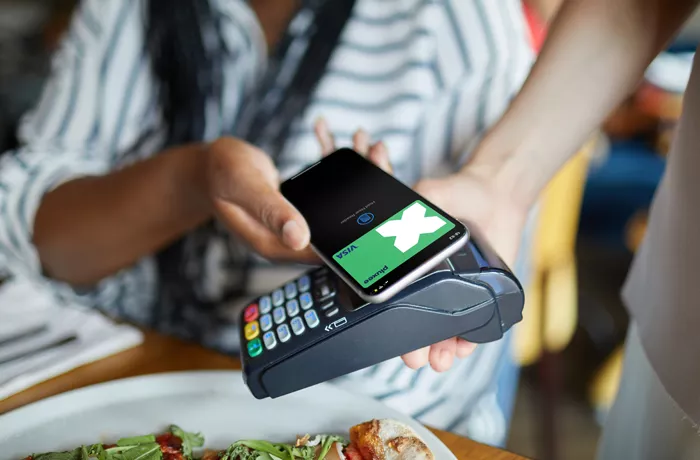
Monetary reward cards function like prepaid payment cards, giving employees direct purchasing power. You can create a branded Mastercard reward card that displays your company logo, serving as a constant reminder of the achievement whenever recipients use it [7]. These cards work for both online and in-store purchases, subscriptions and experiences. They offer genuine flexibility in how employees spend their rewards.
The branded approach adds professional polish to your recognition efforts and maintains the practical benefits of monetary rewards. Employees appreciate the freedom to use funds as they see fit, whether for daily expenses or special treats.
Points-based recognition cards
Points-based systems transform recognition into an ongoing, measurable experience. Employees earn points for various achievements and behaviours, then redeem them for rewards from a catalogue. This approach moves beyond sporadic acknowledgements to create systematic recognition throughout the year.
Gift card programmes
Gift cards remain the most popular employee reward format in UK businesses. Digital cards overtook physical cards in popularity for the first time in 2025, reflecting changing workforce priorities. Multi-store gift cards increased to 38.7% of purchases in May 2025, up from 37.5% the previous year, whilst single brand cards decreased.
Employees show clear priorities for flexible rewards. Gift cards give people choice over how they use their recognition, whether that means covering everyday costs, treating themselves or choosing something that feels personally meaningful. This flexibility makes gift card programmes especially useful for diverse workforces with different needs, preferences and life stages.
Town & City Gift Cards operate across approximately 100 UK towns and cities. They combine multi-store and multi-sector spending options. Recipients can use them at shops, restaurants, attractions, hotels and salons. Research shows that 89% of organisations consider supporting local businesses important, with 94% of employees agreeing that their employer should support local businesses.
Peer-to-peer recognition cards
Peer-to-peer recognition addresses the biggest workplace problem. One in two employees are unhappy at work, with almost as many wishing they received more recognition [6]. These cards enable appreciation to flow in all directions rather than top-down only and build a culture people want to stay in [6].
Modern platforms include boost features that let employees instantly convert non-monetary recognition into monetary rewards [6]. You maintain full control over value, frequency and eligible moments whilst enabling employees to celebrate each other [6].

Milestone and anniversary cards
Work anniversaries represent the most important moments that deserve meaningful recognition. Celebrating these milestones boosts morale and retention [5], which proves strategic when turnover costs reach £11,912.40 per worker [5]. Anniversary recognition strengthens team bonds and demonstrates genuine appreciation for long-term commitment.

Performance-based recognition cards
Performance-based cards connect to business results and acknowledge employees who exceed expectations or achieve specific objectives. This category links recognition to measurable outcomes and reinforces behaviours that drive organisational success.
How to design effective recognition cards
Design choices directly influence how your employees notice and experience recognition. The visual and verbal elements of your employee recognition card determine whether acknowledgement feels authentic or formulaic. Your approach to branding, messaging and format selection shapes programme effectiveness.
Your company branding
Your recognition brand creates a more engaging user experience when it ties recognition back to your values, purpose and culture. Branding your employee recognition solution increases awareness of and connection with your recognition tools. The entire experience will look and feel authentically yours.
Customisation of the recognition experience extends beyond placing your logo on software or cards. Your organisation and culture should be reflected in recognition websites, communication pieces (emails, posters, brochures, digital screens, campaigns, and events), awards (certificates, thank-you cards, and cards that accompany awards), and training guides.
Consider your company's history, purpose, and values when designing cards. The stories you tell repeatedly and important cultural elements deserve a place in your recognition experience. A great recognition brand has a unique recognition name and a visual and verbal identity. This separates your programme while keeping it authentic and aligned with your corporate brand.
Branded customisation becomes possible with digital platforms. You can create branded, animated experiences that allow recipients to send a thank you back. This adds an engagement layer that physical cards cannot match [4]. Modern systems let you send money for the full catalogue, specific categories or curated rewards. Your brand identity stays intact throughout [4].
Branding physical cards requires equal attention. Cards arrive in personalised DL envelopes with employee names displayed in the window. This enhances the personal touch of your recognition gesture [11]. Professional presentation capabilities exist. You can coordinate bulk delivery to your office for formal recognition ceremonies. Individual home delivery works for personal appreciation. Premium packaging options reflect your company's quality standards and attention to detail [11].
Meaningful messages
Messages within your employee recognition card transform standard acknowledgement into meaningful appreciation. Generic statements fail to strike a chord. Specific references to contributions, behaviours or achievements demonstrate genuine attention to the individual's work.
Personalisation ensures even automated campaigns feel human. The recipient's name and message from their manager, personalised subject lines or milestone notes, and occasion-specific templates (birthday, anniversary and milestone) maintain authenticity [12]. Your brand personality shines through when you combine branding with a human touch. Recipients feel valued and connected to the organisation.
The way your employees notice recognition depends on how that recognition looks, sounds and feels. Your messages should connect an individual's contributions to team success and the company's overall objectives. Employees build security in their value to the company.

The right card format
Different business scenarios favour either physical or digital formats based on specific requirements, employee demographics and recognition objectives. Formal recognition events benefit from physical cards. Milestone celebrations, annual awards and ceremonial presentations create memorable moments. These provide lasting recognition symbols that employees value and retain.
Remote workforce recognition strongly favours digital cards that deliver instantly, regardless of the employee's location. Modern payment features appeal to remote workers who can use them right away. Immediate recognition needs work best with digital cards. Spot bonuses, achievement acknowledgements, and spontaneous appreciation demonstrate immediate response to employee contributions.
Traditional company cultures with formal recognition traditions often prefer physical cards. These align with presentation practises already in place and maintain the professional standards employees expect. Mixed workforce demographics benefit from offering both formats. You can match card types to individual employee priorities and accommodate diverse comfort levels with technology and payment methods.
Physical presentation creates formal recognition moments that some employees value. Digital cards offer convenience and immediate access that modern workforces appreciate. Your format selection should align with company culture, workforce demographics, and the specific occasion you want to recognise.
Implementing a recognition card programme
Successful implementation of your employee recognition card programme requires planning across five critical areas. You need to establish what you want to achieve and how the programme aligns with broader organisational objectives before launching any initiative.
Setting clear recognition criteria
Your recognition criteria must be specific, measurable, achievable, relevant, and time-oriented [2]. Align employee accomplishments to your organisation's purpose and values. Everyone has a chance to be recognised, whatever their tenure, level, function, or location [14]. Consistency proves essential whether you're recognising most important achievements or everyday contributions [7].
Strike a balance that acknowledges diverse contributions. Performance-based rewards can motivate. Focusing on top performers alone creates overly competitive environments and demotivates others [7]. Consider incorporating recognition for personal improvements, high effort, or side skills such as mentoring junior team members [7]. Celebrate milestones such as birthdays and work anniversaries, which aren't achievement-based. Your programme won't reward the same small group over and over [7].
Training managers and team leaders
Managers need specific tools and mindsets to use recognition strategically. Many leaders struggle not through lack of care but lack of words [16]. Give them prompts: "I noticed…", "The impact was…", "Please keep…", "Next time, try…" [16]. Create guidelines about how and when to use specific awards.
Manager alerts within recognition platforms provide gentle reminders whenever a direct report's work anniversary or birthday approaches, or if they haven't sent recognition that week. Managers receive alerts whenever others recognise someone on their team in the business. This gives them visibility of people they're impacting. Ask every manager to log two short recognition notes per week, tied to goals [16]. Keep it light but consistent.
Establishing distribution processes
Your distribution method depends on whether you're using digital or physical employee recognition cards. Digital rewards land in employees' inboxes right away, whatever their global location [7]. You can send them via email or SMS, with most HR teams preferring company email addresses [7]. Bulk upload recipient lists through CSV files for the quickest processing [7].
Physical cards require coordination for bulk delivery to your office for formal ceremonies or individual home delivery for personal appreciation [earlier context]. Clear communication about how cards work, how funds are added, and what employees can and cannot use cards for will give a smooth distribution.

Creating a recognition schedule
Regular cadence matters more than occasional grand gestures. Track participation and recognition frequency rates. Check progress against the original objectives and adjust as needed [2]. Review distribution monthly using simple trackers with names, roles, and shifts to check spread and fix blind spots [16]. Schedule rewards to hit employees' inboxes on specific days when timing matters [7].
Communicating the programme to employees
This programme can transform your company culture and how your team interacts. Don't rely on company-wide emails and intranet posts alone. Put a meeting in everyone's diaries and turn it into an announcement. Explain that this gives your workforce a chance to recognise people and achievements that might have been overlooked.
Use multiple channels to reach employees where they're most receptive [2]. Choose an executive or team of leaders to support the programme and encourage participation [2]. These higher-ups must be visibly active and motivating on the platform once it launches [2]. Share success stories, hold training sessions, and incentivise early adopters [2]. Solicit feedback after the first few weeks to identify areas needing more clarification, training, or customisation [2].

Costs and budgeting for recognition cards
Budgeting for employee recognition cards requires balancing platform costs, reward values and administrative expenses. Your financial planning determines programme sustainability and the frequency of recognition you can maintain across your workforce.
Card production costs
Physical card expenses remain minimal compared to overall programme budgets. Standard card stock, printing and envelope costs range from a few pence to several pounds per card. This depends on quality and customisation levels. Premium options featuring embossing, foil stamping or specialised materials increase costs but add perceived value to milestone recognitions.
Digital cards eliminate production expenses. You pay no printing, postage or material costs. This makes them financially efficient for frequent recognition. The savings prove most important when recognising remote teams or distributed workforces where postal delivery would compound expenses.
Setting realistic budgets per employee
Industry benchmarks provide starting points for your budget planning. Current practise shows budgets under 1% of payroll are low.
This covers daily recognition, service awards, appreciation events, holiday recognition, onboarding and specific initiatives. For conservative budgets at the start, £23.82- £ 50 per employee each year offers a sensible starting point [20].
Recognition programmes deliver measurable returns. Expected ROI ranges from 6:1 to 13:1 or higher. This depends on programme features and implementation quality [8]. Replacing one employee costs hundreds of thousands of pounds. Investing in recognition that reduces turnover makes financial sense [9]. Build in room for platform fees, administration, reward values, communication activity and ongoing measurement when setting your budget.
Data protection and programme governance
Your recognition programme processes personal employee data. This includes names, photos, email addresses and milestone dates, triggering GDPR obligations [24]. Celebrating birthdays or work anniversaries without explicit employee consent may violate regulations. Birthdays are critical personal information used for identity verification [24].
You must obtain official employee opt-in through documents that are clearly written and standalone. Explain data types processed, processing methods, access permissions and removal timelines [24]. Employees retain rights to opt out or request anonymised data sharing [24].

Measuring the success of your recognition programme
Calculating the effect of your employee recognition card programme requires tracking specific metrics that link recognition activities to business outcomes. HR leaders must justify people programme investments and link participation initiatives to tangible performance results.
Tracking employee participation metrics
Recognition participation measures how often employees give or receive acknowledgement through your programme. Target 60-80% participation quarterly to show strong recognition culture [5]. Track this by calculating (Employees who gave or received recognition / Total employees) x 100 per quarter [5]. Low participation below 40% signals that your programme needs targeted campaigns that explain its benefits and model peer appreciation [5].
Pulse surveys deliver up-to-the-minute insights when structured correctly. Keep them team-based and never exceed 10 questions. Focus on predictive validity [25]. The questions should tightly link to predicting future behaviour rather than just capturing feelings [25]. Deploy surveys alongside coaching so team leaders can act on data right away [25]. Survey participation rates themselves reveal how much people care, as employees who feel connected want to improve their workplace.
Focus participation tracking on career inflexion points. New hires and recently promoted managers prove especially valuable to monitor [25]. Research shows 29% of people who received their first promotion left the following month. Compare this to an estimated 18% who might have left without promotion [25].

Gathering feedback from staff
Collect feedback through multiple channels beyond surveys. Stay interviews and advisory boards surface insights HR cannot see on its own [25]. Actual conversations allow deeper exploration of key issues and reveal nuance behind feedback [25]. Communicate what you heard after every survey, what you're changing, and how you'll measure progress. Employees who see their feedback drive action continue to participate. Those hearing silence stop caring.

Adjusting your approach based on results
Respond with specific actions when recognition participation drops or engagement scores change. Monitor how well interventions work within a quarter. The intervention missed the root cause or requires more time if changes don't move metrics. Continuous evaluation and adjustment maintain programme effectiveness while lining up with changing employee priorities [27].
Conclusion
Employee recognition cards offer an economical way to strengthen your workplace culture and improve retention. You've seen the available options — digital platforms and physical cards — along with implementation strategies, budget considerations and governance points to help your programme run smoothly.
Employees who receive recognition are 45% less likely to leave within two years. The investment makes financial sense. Start small if you need to. Even £ 25- 50 per employee each year creates a measurable effect when recognition feels genuine and consistent.
You now have everything you need to launch or refine your recognition programme. Choose formats that match your workforce and establish criteria. Measure results quarterly to ensure your efforts deliver lasting value.
FAQs
What exactly is an employee recognition card and how does it work?
An employee recognition card is a tool that allows employers to acknowledge and appreciate staff contributions in either physical or digital format. These cards can function as prepaid payment cards, gift vouchers, or points-based rewards that employees can use for purchases, experiences, or redeem from a catalogue. They provide a tangible way to express gratitude whilst giving employees flexibility in how they use their rewards.
How much should UK businesses budget for employee recognition cards?
Industry guidance suggests allocating at least 1% of total payroll to recognition programmes, with comprehensive programmes typically spending £159-£278 per employee annually. For organisations starting, a conservative budget of £24-50 per employee per year provides a sensible foundation. The investment typically delivers strong returns, with expected ROI ranging from 6:1 to 13:1 or higher.
What's the difference between physical and digital recognition cards?
Physical cards offer a tangible, personal touch that employees can display and keep as mementoes, making them ideal for milestone celebrations and formal recognition events. Digital cards provide instant delivery, work well for remote teams, and eliminate production costs whilst offering multimedia features and immediate access to rewards. Many organisations now use hybrid approaches, combining both formats to suit different occasions and employee preferences.
How can I measure whether my recognition card programme is working?
Track participation rates (aim for 60-80% quarterly), monitor employee engagement via pulse surveys, and measure improvements in retention. Well-recognised employees are 45% less likely to leave within two years, so turnover rates provide a key indicator. Additionally, gather direct feedback from staff through surveys and stay interviews, and adjust your approach based on the results to ensure the programme continues to meet employee needs.
References:
[5] - https://www.simpplr.com/blog/employee-engagement-kpis-to-track/
[6] - https://www.gov.uk/guidance/employee-incentive-awards
[7] - https://www.tremendous.com/blog/send-employee-recognition/
[16] - https://www.bitesizelearning.co.uk/resources/a-managers-guide-to-employee-recognition
[20] - https://www.thanks.com/blog/how-to-create-an-employee-recognition-budget
[22] - https://www.gov.uk/expenses-and-benefits-employee-suggestion-schemes
[23] - https://www.oldfieldadvisory.com/articles/2018/10/97-4-ways-to-reward-employees-tax-free
[24] - https://blog.madisonpg.com/gdpr-is-changing-reward-recognition
[27] - https://www.iod.com/resources/business-advice/reward-and-recognition-programme/