Employee prepaid card solutions for UK businesses: Everything you need to know

Financial anxiety is on the rise. When employees worry less about money, they're more focused and energised at work. An employee prepaid card offers a solution to help your business manage expenses and support your team's financial wellbeing. These preloaded payment cards give employees a fixed budget for approved expenses without credit checks or reimbursement paperwork. This piece covers what you need to know about implementing prepaid cards for employees, from simple functionality and key benefits to choosing the right provider for your UK business.
What are employee prepaid cards?
An employee prepaid card functions as a payment tool that you load with a specific amount before your team members can spend it. Traditional payment methods differ because these cards aren't linked to your company's main bank account [1]. You transfer funds onto the card first, and then employees use it for approved business expenses.
Definition and simple functionality
Think of a prepaid card for employees as a stored-value payment card. You can spend only what's been loaded onto it [2]. The transaction gets declined when your employee attempts a purchase that exceeds the available balance [1]. This built-in spending cap removes the risk of unauthorised expenses.
These cards operate on major payment networks like Visa and Mastercard, which means your employees can use them at millions of merchants worldwide [2]. They work like any other payment card. Your team can make contactless payments, use chip and PIN technology, pay online, or add them to mobile wallets for digital transactions [2][2].
The cards come in different formats. You can issue reloadable cards that you top up over and over for ongoing expenses. One-off cards work well for single purposes like event budgets or temporary project costs [3]. Some providers also offer payroll cards designed for salary payments [1].
Modern prepaid card platforms give you immediate control through apps or online dashboards. You can set individual spending limits, restrict transaction types, control ATM withdrawal amounts, and freeze cards if they're lost or policies are breached [2]. Your finance team sees transactions as they happen, not days later.
Prepaid vs Debit vs Credit Cards
The difference between these three card types centres on where the money comes from and how much you can spend.
Prepaid cards require you to load funds before spending. You can't spend beyond what's been loaded [1]. Prepaid cards and debit cards function the same way for corporate users, though merchants may treat them differently [2]. Both limit spending to funds on hand without credit or overdraft functions in most cases [2].
Debit cards connect to your business bank account. The money comes straight from your account balance when your employee makes a purchase [1]. This provides direct access to company funds but also creates risk. Some accounts allow overdrafts, which can lead to unplanned fees if your employee overspends by accident [1].
Credit cards involve borrowing money that must be repaid by a due date [1]. Late payments trigger fees, and carrying a balance means paying interest charges [1]. Credit cards can attract unplanned costs if payments aren't made on time [2].
The security difference matters. Prepaid cards aren't connected to your main business account, making them less risky to distribute across your team [2]. You've exposed only the loaded amount if a card goes missing, not your entire company balance.
No credit check is required to get prepaid cards [1]. This makes them available to businesses of any size and simplifies the application process.
How funds are added and managed
You have multiple options for loading money onto employee prepaid cards:
- Direct deposit: Set up automatic transfers from your business account, including payroll or regular allowances [1][4]
- Online transfers: Move funds through your provider's platform or mobile app [1][1]
- Bank transfers: Transfer money from your business bank account to individual cards [1][1]
- Cash deposits: Load physical cash at approved retailers, Post Office locations, or PayPoint services [5][1]
- Third-party payments: Allow external parties to deposit funds onto cards [1]
Transfer speeds vary by method. Online transfers through your provider's app complete within seconds [2]. You can load individual cards with specific amounts or allocate budgets that multiple cards can access [2].
Most platforms let you add, edit, or remove users at any time [2]. This flexibility means you can issue cards for new employees right away or create cards for specific departments with shared budgets [2]. Some advanced solutions allow one-time-use virtual card numbers for specific purchases, which reduces fraud risk by a lot [2].
You'll manage these cards through your provider's online platform or mobile app, where you can check immediate balances, review transaction histories, and adjust spending limits as your business needs change [1][2].
How prepaid cards for employees work
Setting up an employee prepaid card programme is way simpler than most businesses expect. Digital platforms have removed the complexity from what used to be a cumbersome process. You can issue cards and establish spending controls within minutes.
Application and onboarding process
You can sign up for prepaid cards without a credit check [6]. Most providers offer quick application processes that could have you operational the following day. The setup requires identity and address confirmation. You'll upload a few documents, and once approved, you load money into your account to order cards [6].
Physical cards arrive within 2 working days [6]. But you don't need to wait for plastic to arrive. Most providers give you virtual card details right away and enable your employees to make online purchases straight away [1]. This dual approach means new team members can start making approved purchases on their first day.
Approval takes just a few minutes when you apply online or through an app [1]. The lack of credit checks makes these cards available to businesses at any stage, from startups to established enterprises.
Loading and reloading funds
You control when and how much money reaches each employee once your cards are active. You can transfer funds from your business bank account via online transfer, mobile app, or direct deposit [4]. Some platforms accept manual transfers, whilst others offer scheduled top-ups that maintain consistent card balances [1].
Automatic reloading proves especially useful for recurring expenses. You can set threshold-based reloads that trigger when balances drop below a specific amount [2]. To cite an instance, the system adds £200 if an employee's card falls below £50. Your team never faces spending interruptions during business activities this way [7].
Bulk uploads simplify management when you're handling multiple employee cards [4]. You can allocate specific amounts to individual cards or distribute funds across departmental budgets. The flexibility extends to loading methods as well. Some providers allow cash deposits at Post Office locations or PayPoint services beyond bank transfers [1].
Funds appear on cards right after loading [4]. Employees can access their allowances without delays that plague traditional banking methods because of this instant availability [4].
Setting spending limits and controls
Your control over employee spending extends well beyond simple balance limits. Modern platforms let you configure detailed rules through online dashboards in minutes [2].
You can establish per-transaction limits to prevent large unauthorised purchases [2]. Daily or monthly caps control total spending over time for each card [1][2]. Merchant category codes allow you to restrict where cards work. You might block entertainment merchants for cards meant solely for office supplies [2].
Cards decline purchases that fall outside your rules because of these controls and prevent overspending before it affects your accounts [2]. You can adjust limits through mobile apps or online platforms in real time and ensure your business maintains financial discipline whilst adapting to changing operational needs [1].
Employee fund requests add another layer of flexibility. Your team members can request additional funds when needed, which then route through designated approvers according to your established approval workflows [1]. These requests include explanatory notes and may have supporting documents attached [1].
Advanced platforms also offer vendor-specific restrictions. You can create cards locked to particular suppliers like Amazon Business or Microsoft and ensure funds serve their intended purpose only [7].
Live transaction monitoring
Every purchase appears through online dashboards instantly and eliminates manual receipt collection and reconciliation delays [2]. Transactions sync with popular accounting platforms like Xero and QuickBooks and reduce reconciliation time substantially [7].
Push notifications alert both administrators and cardholders the moment charges happen [2]. Employees can snap photos of receipts and attach them to transactions through mobile apps right away and ensure complete documentation for every expense [2][7].
The platforms categorise spending based on merchant information [1]. Finance teams can generate detailed expense reports at any time, for any period, covering individual employees or entire departments [7]. This live visibility transforms your bookkeeping processes because transactions are recorded and categorised without manual work [1].
Balance checks happen through provider websites, apps, text messages, or ATMs [7]. Some platforms provide email or SMS alerts for low balances and help you stay ahead of declined transactions [4]. You can freeze or cancel a card through the mobile app instantly if it goes missing and minimise financial risk [7][8].
Key benefits for UK employers
Switching to an employee prepaid card programme delivers measurable improvements across your finance operations. The benefits extend beyond simple payment processing and affect your bottom line, security posture and employee relationships.
Streamlined expense management
The traditional reimbursement cycle creates frustration on both sides of your business. Employees pay out of pocket, submit receipts and wait for approval. Your finance team spends hours verifying expenses and issuing payments. Businesses spend an average of 20 minutes processing a single expense report, costing nearly £46.06 per report [9]. Prepaid cards eliminate this entire cycle. They provide employees with preloaded funds when they need them.
Research shows that 81% of employees have been left out of pocket for over a month waiting for reimbursement [10]. This delay damages morale. It creates financial stress for your team. When you issue prepaid cards, approved funds are ready before spending happens.
Automated tracking transforms your bookkeeping processes. Transactions appear in your accounting system with complete categorisation instantly. Mobile apps prompt employees to capture receipts at the point of purchase and automatically match them to transactions. Automated expense tracking solutions reduce reporting errors by up to 60% and boost compliance with corporate policies [9]. Your finance team receives up-to-date spend data with receipts attached, ready to export to Xero, Sage or QuickBooks.
Furthermore, 87% of companies experience shadow spend, which refers to untracked purchases made outside official processes that result in budget overruns or compliance issues [10]. Prepaid systems give you live visibility into every transaction and eliminate this hidden spending problem.
Cost savings and budget control
Prepaid cards reduce costs through multiple channels. You eliminate reimbursement processing expenses, reduce fraud losses and prevent budget overruns before they occur.
Companies lose an estimated 5% of revenue to fraud each year, with corporate credit card misuse being a common issue [9]. Predefined spending limits, merchant category restrictions and live monitoring minimise these risks. They ensure every pound spent lines up with company policies. Studies indicate that 24% of employees admitted to sneaking personal purchases through as business expenses [10]. Prepaid cards with configured spending rules automatically decline non-compliant purchases.
The cost control extends beyond fraud prevention. You pay for expenses at the point you load funds onto cards rather than after money has been spent. This means you know your costs sooner. There's no reimbursement administration to manage. Employees fail to reclaim nearly £690 million in out-of-pocket expenses every year in the UK, usually on account of lost receipts, missed deadlines or confusing systems [10]. Prepaid cards eliminate this entire problem.
Budget visibility improves financial planning. You can track spending forecasts across departments, identify cost patterns and make informed decisions about future allocations. The transparency allows you to optimise spending and redirect resources where they deliver the most value.
Boosted security and fraud protection
Prepaid cards limit your exposure by design. Spending is capped at the loaded balance, which means a stolen or compromised card cannot access your full business account or a high credit limit. Most providers include zero-liability fraud protection and ensure you're not responsible for unauthorised charges.
Live monitoring adds another security layer. You receive alerts for every transaction, can flag purchases above certain amounts and restrict cards by merchant type. To cite an instance, you might block petrol station purchases for employees who only need restaurant access. If suspicious activity occurs, you can freeze the card through your mobile app instantly.
Virtual cards offer boosted safety. They eliminate the risk of physical loss or theft. These cards have unique card numbers and security codes that provide an additional layer of protection against unauthorised use [11]. One-time-use card numbers can be generated for specific purchases and reduce fraud risk substantially.
Brand exposure opportunities
You can brand your prepaid card scheme with your corporate identity and messaging, keeping it front and centre [12]. Whether it's ensuring your employees remember who to thank for their improved financial situation, or a channel partner or sales representative who prioritises your products, adding branding to your scheme offers definite advantages.
Branded cards reinforce your company's commitment to employee wellbeing every time they're used. This visible reminder strengthens loyalty and engagement, especially when you have cards used for rewards, bonuses or financial wellness programmes. The cards become a tangible representation of your investment in your team's financial security.
Employee benefits and financial wellbeing
Your team members gain substantial advantages beyond simple payment convenience when you provide them with an employee prepaid card. 81% of UK employees feel the squeeze from rising costs [4]. These cards address real financial pressures and give your workforce practical tools for money management.
Better money management tools
Prepaid cards help employees budget because they can only spend what's loaded onto the card [13]. This natural spending limit removes the temptation to overspend or fall into debt. Your team members can track their spending through mobile apps with ease. They view live balances and transaction histories that show exactly where money goes [14].
The separation of funds proves valuable, especially when you have work-related spending [7]. Employees can keep it distinct from personal finances and avoid confusion. This makes it simpler to manage both. Many platforms send balance alerts and spending notifications. Your team stays on top of their finances without manual tracking effort.
Cashback and rewards earning
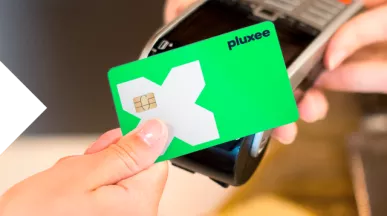
Modern prepaid card solutions offer automatic cashback on everyday spending. Cards like the bYond prepaid card enable employees to earn up to 15% cashback with every use. Annual earnings reach up to £900 [15]. The Pluxee Card delivers automatic cashback at 80+ major UK retailers including Sainsbury's, Asda, B&Q, Boots and Currys [4].
Average employee cashback reaches £300+ on everyday spending [4]. Active users combining cashback with discounts and salary sacrifice schemes can achieve £1,200+ in annual savings [4]. Research shows that 60% of UK workers rank discounts and cashback among their most-valued benefits [4]. These features matter for employee satisfaction.
The cashback applies every time employees tap their card or use Apple Pay or Google Pay [4]. There are no expiry dates and no minimum spend requirements [4]. Employees can even top up cards with personal funds and benefit from the same cashback opportunities on their own spending [4].
Emergency fund access
Prepaid cards provide the quickest way to build emergency savings. Financial insecurity costs employers £198.54 billion a year in reduced productivity [16]. Supporting employee emergency funds benefits both parties. Employees can load small amounts onto a separate prepaid card. This creates available reserves without the temptation to dip into funds for everyday expenses [7].
These funds remain available whenever needed. You can use them anywhere Mastercard or Visa is accepted, whether online, in-store, or at ATMs worldwide [7]. This accessibility proves valuable during emergencies abroad or unexpected financial situations.
No credit check required
Prepaid cards don't require credit checks [14]. This accessibility matters for employees with limited or poor credit history. New arrivals to the UK building their financial profile from scratch benefit from this [14]. Your entire workforce can access these cards, whatever their credit situation.
Peace of mind with no debt risk
Employees cannot fall into debt with prepaid cards because spending is limited to the loaded amount [13]. This eliminates the risk of accumulating credit card balances or overdraft fees. Your team gains financial tools without the anxiety that accompanies traditional credit products as a result.
Virtual vs physical prepaid card options
Both virtual and physical formats serve the same payment purpose, but the difference between them affects your implementation timeline, security posture, and environmental footprint.
Instant delivery of virtual cards
Virtual cards exist only in digital form with no physical carrier [17]. You apply online and the card becomes available within minutes, with all details stored in your banking app [17]. Most banks and financial platforms let you generate virtual cards through their website or mobile app, with full card details including number, expiry date, and security code appearing within minutes [18].
This speed matters when you need cards urgently. Physical cards require seven to ten business days for delivery [1]. Virtual cards eliminate this waiting period. You can create a new card at the click of a button, receive your card details instantly and start spending straight away [1].
Businesses onboarding new employees or responding to unexpected purchase needs find this immediacy invaluable. Your team can begin making approved purchases right away rather than waiting for plastic to arrive in the post.
Security advantages
Virtual cards offer multiple security layers that physical cards cannot match. They cannot be lost or stolen offline because they lack physical presence [19]. Virtual cards use unique card numbers to stand in for your regular account details and mask your sensitive card data so it isn't shared during transactions [2].
When a virtual card number is compromised before you're done using it, you alert the issuer to any fraudulent purchases. The virtual card can then be cancelled, which saves you the inconvenience that results when a new number must be issued for your real card [2]. You can turn off your virtual card or delete the number from your account for added security without affecting your overall card account [2].
Virtual cards can be set up for specific vendors, spending limits or even time windows [18]. That kind of flexibility gives companies more control and helps avoid unauthorised spending. You can lock and unlock them for greater control over your company finances, especially when you have passed them on to employees for business purchases [6].
Physical cards with EMV chips encrypt transaction information, including your card number and make it inaccessible to hackers whether you insert your card into a payment terminal or use contactless payment [2]. Be that as it may, virtual cards remain safer for online transactions where physical chip technology doesn't apply.
Environmental and CSR benefits
Over 6 billion plastic cards are produced worldwide each year and contribute to millions of tonnes of plastic waste [20]. Physical cards have a lifespan of just 3 to 4 years, after which they're discarded and end up in landfills or the ocean, taking centuries to decompose [20].
Virtual cards eliminate the need for physical production and disposal, reducing plastic waste [20]. The production of physical cards requires energy for extraction, processing and transportation of raw materials, whereas virtual cards have a negligible energy footprint as they're generated and managed electronically [20].
The transportation of physical cards from manufacturers to consumers also contributes to greenhouse gas emissions. With virtual cards, the distribution process is digital, resulting in a lower carbon footprint [20].
When to choose each option
Physical cards remain necessary for in-person transactions where you can't offer a virtual card number to pay for your restaurant check [2]. They're usually required when checking into hotels or renting cars where physical card presentation verifies identity.
Virtual cards excel for online shopping, software subscriptions and recurring payments tied to specific services [18]. Each card can be issued with its own spending limits and merchant rules, helping prevent overspending and reducing the risk of misuse. You can provide virtual cards to employees for making purchases without passing around card information or needing to issue physical cards [2].
Most businesses benefit from using both options. Virtual cards handle everyday online transactions, whilst physical cards support travel bookings and in-person payments [6]. You won't be locked into one over the other [2].
Choosing the right provider for your business
Selecting the right prepaid card provider determines whether your programme succeeds or creates new administrative headaches. The number of employees requiring cards shapes your costs substantially, as this is where services become expensive [21]. But expensive options may offer generous cashback rewards that recoup the subscription cost or more [21].
Essential features to compare
Get into what providers offer in terms of features, limits and accessibility [22]. You need platforms that let you set custom spending policies, including per-transaction limits, daily or monthly budgets, time-bound access and required approvals for out-of-policy requests [23]. Built-in policies support compliance. Without them, employees remain unclear about allowable spending and your organisation stays exposed to fraudulent expense claims [24].
Control features matter. Choose cards that allow you to restrict usage types and view up-to-the-minute reports [22]. Strong providers offer instant card freezing or reissuing, rule-based fraud alerts and thresholds, and virtual card generation for secure online use [8]. Knowing how to set flexible limits for each individual card, including per-transaction, daily and monthly limits, plus time-bound access, gives you granular control [23].
Fee structures and hidden costs
Prepaid cards are notorious for hidden fees [24]. Check for activation and monthly maintenance fees, charges for inactivity, card reloading fees and ATM withdrawal charges carefully [24]. Common fees include monthly or annual charges, top-up fees, transaction fees, ATM withdrawal fees, foreign exchange fees and replacement card fees [22].
Transparency matters. Businesses may lose trust or stop using the service if your prepaid card programme has unclear or excessive fees [8]. Compare what different card issuers charge and get into fee structures really well [22].
Integration with payroll and accounting systems
Integration with accounting software simplifies expense tracking and financial reporting [22]. Most prepaid cards lack integrations with business tools. This makes tracking spending and managing finances difficult [24]. Strong providers offer integrations with Xero, QuickBooks and Sage [5][25][26]. Some connect with ERP systems like Oracle NetSuite and Microsoft Dynamics [27]. Up-to-the-minute reconciliation and reporting across integrations means you never lose sight of spending [24].
Customer support and service levels
Opt for cards that support multiple users and allow easy fund allocation [22]. Quality providers offer 24/7 support, onboarding assistance and dedicated account managers [28][27].
Common use cases for UK businesses
Prepaid cards serve multiple purposes in UK businesses, from recognising achievements to managing operational expenses. These applications help you identify which scenarios benefit most from implementation.
Employee rewards and bonuses
Team members can be rewarded for meeting targets, completing training, referring new clients, or recognising service milestones [29]. Prepaid cards work well for performance bonuses, sales awards, health and wellness rewards, workplace safety recognition, and employee referrals [12]. Cards can be branded for specific incentive programmes. Employees receive rewards instantly and spend wherever they choose [11]. More than 80% of employees say they work harder when they feel appreciated, and nearly 70% state that recognition and rewards influence their decision to stay with an employer [30].
Work-from-home allowances
Additional household expenses for employees working from home can be reimbursed without reporting or paying tax if the amount doesn't exceed £6 per week (or £26 monthly for employees paid monthly) [31]. Equipment employees bought to work from home can also be reimbursed as long as they agreed the purchase with you in advance and mainly use the item for business purposes [31]. Rather than managing individual equipment orders, a technology budget on a prepaid card allows employees to choose equipment that works best in their space [11].
Travel and entertainment expenses
Travel expense budgets can be preloaded on prepaid cards before business trips [32]. Employees use them for flights, hotels, taxis, business lunches, and event hospitality [22]. Multi-currency cards are perfect when employees visit multiple countries [32]. Daily limits can be set that are aligned with per diem policies, or cards can be created that expire once trips end [9].
Channel incentives and sales teams
Cards can be issued to sales representatives and channel partners. Incentive payments are sent directly to prepaid accounts [10]. When funds land in bank accounts, they get swallowed up by regular spending and bills. Prepaid payments give recipients control over how they spend incentives and add more meaning to rewards [10].
Contractor and freelancer payments
Cards can be issued when subcontractors or freelancers come on board and deactivated when jobs finish [33]. Project-specific budgets loaded on cards eliminate invoice processing whilst keeping spending visible [9]. Prepaid cards suit temporary, seasonal, and project-based workers who need immediate fund access [34].
Implementation and best practises
Rolling out your employee prepaid card programme successfully requires careful planning around policies and training with ongoing oversight. Operational frameworks and continuous team training maintain service quality [35].
Setting up internal policies
Written policies prevent fraud and waste [36]. Your policy should outline who qualifies for cards and approved expense categories [9]. Detail receipt requirements and reporting timelines. Employees might need to report expenses within a specific period following transactions to your finance department or into accounting software if they have access [37].
Specify consequences to policy violations. Employees charging personal expenses must repay amounts right away. Repeat offences warrant disciplinary action [37]. Include procedures for lost or stolen cards that require cardholders to contact issuers and freeze cards while informing senior staff [37].
Employee communication and training
You risk misuse and financial discrepancies without proper training [38]. Guide employees through secure card activation and emphasise the importance of safeguarding card details. They need to report lost cards right away [38]. Train them on purchase procedures and receipt retention [38]. Introduce expense tracking software for live reporting and digital receipt capture [38].
Ongoing monitoring and adjustments
Review transactions weekly or biweekly to spot errors and identify spending trends before problems escalate [9]. Analyse cardholder spending patterns over time and adjust limits [9]. Schedule quarterly policy reviews so rules match current operations [9].
Conclusion
Employee prepaid cards offer a practical solution to streamline expense management and support your team's financial wellbeing. The benefits extend beyond simple payment processing. You'll eliminate reimbursement delays, reduce fraud risk, and gain immediate visibility over company spending.
Your employees access tools for better money management, automatic cashback rewards, and emergency fund building without credit checks or debt risk.
The key lies in choosing the right provider with reliable features and transparent fees, then establishing clear policies and proper training. Take the time to review your business needs, and you'll revolutionise how your organisation manages expenses and deepen employee loyalty.
FAQs
What is the main difference between prepaid cards and traditional debit or credit cards for employees?
Prepaid cards require funds to be loaded before spending, limiting transactions to the available balance with no risk of debt or overdraft fees. Unlike debit cards that connect directly to your business bank account, prepaid cards aren't linked to your main account, reducing security risks. Credit cards involve borrowing money that must be repaid with potential interest charges, whilst prepaid cards only allow spending of pre-loaded amounts.
How quickly can employees start using prepaid cards after applying?
Virtual prepaid cards can be issued and used almost immediately, with card details available within minutes of approval. Physical cards typically arrive within 2 working days. Most providers offer instant virtual card details upon approval, allowing employees to make online purchases straight away whilst waiting for the physical card to arrive.
Can employers control where and how employees spend on prepaid cards?
Yes, employers have extensive control through online dashboards. You can set per-transaction limits, daily or monthly spending caps, restrict purchases by merchant category, and even lock cards to specific vendors. These controls automatically decline purchases that fall outside your rules, and you can adjust limits in real-time through mobile apps or online platforms.
Do prepaid cards help employees save money on everyday purchases?
Many prepaid card solutions offer automatic cashback at major UK retailers, with employees earning up to 15% back on purchases. Average cashback reaches £300+ annually on everyday spending, with active users potentially saving £1,200+ when combining cashback with discounts and other schemes. The cashback applies automatically with no expiry dates or minimum spend requirements.
What are the typical use cases for employee prepaid cards in UK businesses?
Common applications include employee rewards and bonuses, work-from-home allowances (up to £6 per week tax-free), travel and entertainment expenses, sales team incentives, and contractor payments. Prepaid cards eliminate reimbursement delays, provide budget control for business trips, and allow immediate recognition of employee achievements whilst maintaining spending visibility.
References
[1] - https://www.airwallex.com/uk/blog/how-to-manage-team-expenses-with-virtual-debit-cards
[2] - https://www.experian.com/blogs/ask-experian/virtual-vs-physical-card-whats-better/
[3] - https://employeebenefits.co.uk/how-employers-should-use-pre-paid-cards-to-motivate-staff/135042.article
[4] - https://www.pluxee.uk/products/pluxee-card/
[5] - https://wise.com/gb/blog/prepaid-business-cards-uk
[6] - https://gocardless.com/guides/posts/physical-card-vs-virtual-card/
[7] - https://www.swirlcard.com/how-to-build-your-emergency-fund-with-a-swirl-prepaid-mastercard/
[8] - https://www.digipay.guru/blog/pros-cons-prepaid-business-cards/
[9] - https://ramp.com/blog/using-a-prepaid-credit-card-for-business
[10] - https://www.pluxee.uk/blog/reward-recognition/what-is-a-prepaid-card/
[11] - https://www.b4bpayments.com/prepaid/incentivising-remote-employees-with-prepaid-cards/
[12] - https://usa.visa.com/run-your-business/commercial-solutions/enterprise-government-cards/enterprise-government-prepaid-cards.html
[13] - https://www.118118money.com/blog/prepaid-cards-a-flexible-financial-tool-for-near-prime-uk-customers
[14] - https://blog.pockit.com/post/exploring-the-benefits-of-prepaid-cards
[15] - https://www.byondcard.co.uk/
[16] - https://savingsproject.org/how-payroll-providers-can-advance-worker-emergency-savings/
[17] - https://blog.genome.eu/business-services/virtual-card-vs-physical-card-a-comprehensive-guide-for-businesses/
[18] - https://wallester.com/blog/business-insights/virtual-cards-vs-physical-cards-whats-better-for-business
[19] - https://satchel.eu/blog/virtual-cards-security-and-convenience/
[20] - https://www.pyypl.com/blog/going-green-with-virtual-prepaid-cards-in-the-uae
[21] - https://www.merchantsavvy.co.uk/business-credit-cards/prepaid/
[22] - https://www.moneysupermarket.com/prepaid-cards/business/
[23] - https://www.spendesk.com/blog/prepaid-employee-expense-cards/
[24] - https://payhawk.com/blog/cons-of-prepaid-travel-cards
[25] - https://www.soldo.com/en-gb/company-cards/xero-cards/
[26] - https://equalsmoney.com/expense-cards/prepaid-business-cards
[27] - https://wallester.com/blog/business-insights/top-10-prepaid-business-cards-in-the-uk
[28] - https://wallester.com/blog/business-insights/top-prepaid-business-cards-uk
[29] - https://www.usbank.com/business-banking/business-services/business-prepaid-cards/employee-rewards-customer-appreciation.html
[30] - https://www.berkeleypayment.com/blog/employee-rewards-and-retention-the-role-of-prepaid-cards-in-hr-strategies
[31] - https://www.gov.uk/expenses-and-benefits-homeworking/homeworking-expenses-and-benefits-that-are-exempt-from-tax
[32] - https://www.soldo.com/en-gb/blog/expenses/benefits-of-using-prepaid-cards-for-international-business-travel/
[33] - https://www.pexcard.com/blog/using-prepaid-credit-cards-with-subcontractors/
[34] - https://dashsolutions.com/blog/prepaid-cards-the-perfect-payment-tool-in-the-construction-industry/
[35] - https://stripe.com/resources/more/how-to-launch-a-prepaid-virtual-card-programme-a-guide-for-businesses
[36] - https://www.neh.gov/allowability-prepaid-and-gift-cards
[37] - https://volopa.com/making-a-company-card-policy/
[38] - https://www.volopay.com/blog/employee-training-on-prepaid-cards-usage/