
Financial wellbeing at work: Build trust & support productivity
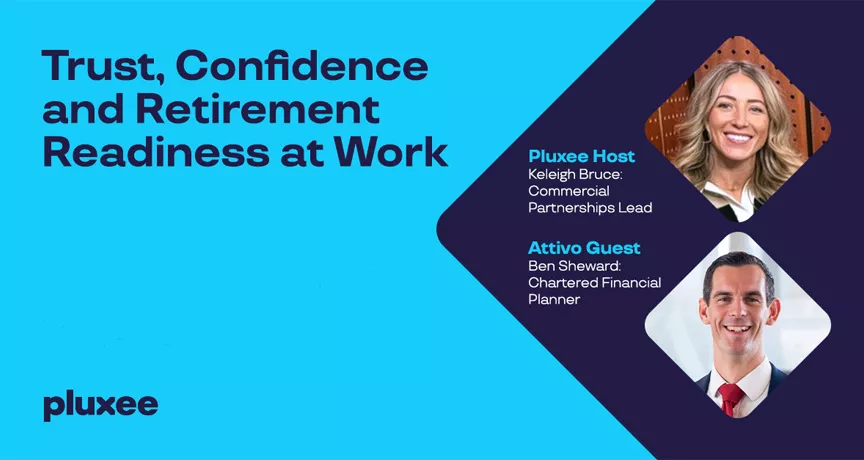
Money might feel personal, but the impact is anything but. From productivity to retention, financial wellbeing is already shaping how your people show up at work. The challenge isn’t recognising the problem. It’s knowing what to do about it. In a recent fireside chat with our Financial Wellbeing Hub partners, Attivo, Keleigh Bruce (Commercial Partnerships Lead, Pluxee UK) and Benjamin Sheward (Chartered Financial Planner, Attivo) break down what financial wellbeing actually means, and how employers can take practical, scalable action.
Missed the conversation? Read on for a summary and to watch the replay.
In a hurry? Here are the top three takeaways from our blog (formed from the Pluxee and Attivo fireside chat) on financial wellbeing at work: build trust and improve productivity.
1. Financial wellbeing is a business issue, not just a personal one: Money worries affect productivity, performance and absence, so employers have a commercial reason to act.
2. Employees need relevant support at different life stages: Financial wellbeing looks different for early-career, mid-career and later-career employees. One-size-fits-all benefits won’t drive real engagement.
3. Trust and usage matter more than access alone: Employers don’t need to replace financial advice, but they do need to create safe, visible routes to regulated support that employees actually use.
Got time to stick around? Let's dive a little deeper.
What is financial wellbeing at work?
As Keleigh and Ben discussed, financial wellbeing at work encompasses confidence, security, control and affordability.
Is financial wellbeing about confidence, security, or control?
Leading the conversation, Keleigh put this exact question to Ben, who told us, in short: financial wellbeing at work is all three.
Financial wellbeing is about feeling secure, in control, and able to plan for the future, not just managing today’s expenses, but building long-term resilience (Money & Pensions Service).
Ben summarises it as:
Financial wellbeing to me is financial independence… being able to retire at the age you want and feel confident in what you’ve built.
Still, that’s only part of the story.
What financial wellbeing means changes during different life stages
There’s no one meaning or interpretation, especially among the varying demographics in your workplace. For some employees, their focus is on retirement planning. For others, it’s covering unexpected costs, protecting their family or understanding if they’re “on track”.
Ben sees this first-hand when speaking with his clients:
For some employees, it’s actually security… knowing your family’s covered… and knowing where you are with your finances.
Financial wellbeing isn’t one outcome. It’s a continuum.
Why is financial wellbeing a business issue (not a personal one)?
Employees struggling with or worrying about money bring that stress to work. Poor financial wellbeing affects engagement, productivity, motivation and absenteeism, as we tackle in our blog – ‘Boost productivity with financial wellbeing benefits’.
It’s the question we tackled first in our webinar – the mindset we were trying to create: the state of your employees’ financial wellbeing matters to your business.
How do money worries impact productivity at work?
This part of the conversation is where employee money worries become commercially real.
- Around 23% of UK employees report reduced productivity due to financial concerns (Cebr).
- Financial stress costs UK employers £10bn+ annually in lost productivity and absence (Cebr).
- Nearly 9 in 10 employees say financial stress affects their work (Zellis).
Keleigh shared some alarming figures during the fireside chat:
52% of employees say financial pressure affects their job every day and 41% say money worries reduce their ability to perform.
Why employees still don’t talk about money at work
There’s a gap between impact and action, and the most prominent causes or blockers are trust and awareness, as Keleigh says:
Over half of the workforce don’t feel comfortable talking about money at work.
That silence creates risk. Problems go unaddressed, stress compounds, and employers lose visibility
If employees won’t raise it, employers have to create the environment for it.
What does ‘retirement readiness’ actually mean for employees?
Retirement readiness, one of the core conversations of the session, means something different depending on who you speak to, from being prepared for the future to having the means to maintain your desired lifestyle, securing a sustainable replacement income, to feeling confident about stepping away from work.

How do you know if employees are financially prepared for the future?
Retirement readiness isn’t just savings. It’s the ability to:
- Maintain your standard of living
- Replace income sustainably
- Feel confident stepping away from work.
Why retirement is the anchor, not the whole story
Retirement is a useful lens to start with because it forces long-term thinking, and that’s one of the reasons ‘retirement readiness’ formed a core part of our conversation with Attivo.
Yet, the real challenge is helping employees connect today’s choices to future outcomes. This connection and clarity matter, and Ben shared some of the questions he most regularly asks his clients to explore:
Are they on a good track? Do they understand where they stand?
Retirement readiness is the outcome. Financial literacy and support are the enablers.
How can employers support financial wellbeing across life stages?
To effectively support financial wellbeing across life stages, you need to provide employee benefits that offer the right support at the right moment. Whether that’s the basics of money management for those just starting out, debt management, saving for a wedding, getting on the property ladder, all the way up to retirement readiness.

What does effective financial wellbeing support look like?
It’s not just content. It’s access, relevance, and timing.
Ben outlines a practical approach:
- Holistic financial reviews (pensions, savings, protection)
- Education through webinars and seminars
- Access to 1:1 financial clinics
Actually offering clinics to answer all those questions… that’s where the real value comes in.
Why ‘one-size-fits-all’ benefits don’t work
Employees aren’t static. Neither is life, as Keleigh comments:
We know employees are not static and we want to support them across every different life stage.
That means:
- Early career = budgeting, debt, savings
- Mid career = mortgages, protection, family planning
- Later career = retirement, wealth planning
These aren’t set in stone, but two things remain true: relevance drives engagement. Engagement drives impact.
How can employers build trust around money conversations?
When employers want to bring money into the conversation, it’s important to gain their employees’ trust. One way to do this is to ensure they know when to step away and bring in the experts.
What role does the employer actually play?
Employers aren’t financial advisers. It’s a highly regulated space and giving incorrect advice can do more harm than good. Employers don’t need to replace financial advice, but it’s within their power to offer safe, trusted access to it, as Keleigh explains:
You need the confidence to draw that out and give employees access to regulated, trustworthy content.
Why trusted, regulated support matters
Giving access to information only achieves so much. Employees don’t just need information. They need credible guidance, impartial advice, and the confidence to act.
That’s where partnerships come in.

What is the role of platforms and partnerships in financial wellbeing?
Platforms, like the Pluxee Employee Experience App, and partnerships with Attivo remove barriers to accessible, independent, and regulated financial support.
How does a financial wellbeing hub support employees?
Our Financial Wellbeing Hub, powered by Attivo, is part of the core Pluxee offering, accessed via the Pluxee Employee Experience Platform and app at no extra cost to employers.
No employer investment needed = one critical blocker removed.
Putting regulated financial support in the same space as every other employee benefits reflects a shift from scattered benefits to integrated experiences, as Keleigh states:
We’ve built this as a core service, and there’s a whole host of new information around financial wellbeing within that hub.
The Financial Wellbeing Hub gives employees:
- Always-on access
- Structured guidance
- A starting point

Why embedding financial wellbeing into the employee experience matters
Financial wellbeing shouldn’t sit on the sidelines, especially when it impacts your business’s bottom line. It should be:
- Visible
- Accessible
- Easy to engage with
Financial wellbeing isn’t another box to tick. Only when what you offer is relevant and regularly used will it deliver value to your people and business.
What should employers do next? (practical steps)
When you’re considering how to evolve or re-think your financial wellbeing strategy, it’s always best to first take stock of what you already provide. What are employees using, what’s going to waste, and is that wastage due to lack of awareness or relevance? Survey your employees to learn what financial support they need and build your offering around that.
If you’re just getting started: sense-check your approach
When attendees signed up to book their spot on our fireside chat, we asked them what their reason for joining was, and 46% (almost half) wanted to sense-check their current approach – the perfect place to begin.
Start with:
- What you offer today
- What employees actually use
- Where the gaps are
If you want to go further: focus on outcomes
After analysing what you offer, what’s used and highlighting any gaps, it’s time to shift the conversation from: “What benefits do we offer?” to “What outcomes are we driving?”
That includes:
- Productivity
- Retention
- Financial confidence
- Retirement readiness
Offering the financial support your workforce needs is only half of the strategy. You also need to align your approach to your business goals if you want to see a return on your investment.
Financial wellbeing at work: Build trust and support productivity
Financial wellbeing isn’t a nice-to-have. It’s a productivity driver, a retention strategy, and a trust signal.
Increasingly, it’s where employers can make the biggest difference.
When employees feel confident about their finances, they bring more than their time to work. They bring their focus.
Sources:
Disclaimer:
This is a financial promotion, approved by Attivo Financial Ltd. It is intended for UK employers only and is not intended for employees or retail customers. The information provided is general in nature and does not constitute personal financial advice; decisions relating to employee benefits, pensions, investments, tax or inheritance planning depend on individual circumstances, scheme and provider terms, and may be subject to change.
Attivo Financial Ltd (FRN 497130) is authorised and regulated by the Financial Conduct Authority for regulated financial advice; some services, including employee benefits advice and inheritance tax planning, may not be regulated by the FCA. The value of investments can fall as well as rise, and individuals may get back less than they invest. Pensions are long-term investments and future income will depend on fund size, interest rates and tax rules.