
What is an employee incentive card? Your guide to staff rewards in the UK

Employee incentive cards give employers a practical way to recognise people with rewards they can use in real life. Whether used for performance bonuses, long service awards or seasonal recognition, they offer more choice than traditional vouchers and simpler administration than manual reward processes. This guide explains how employee incentive cards work, the different options available, and how UK employers can use them to strengthen engagement, support financial wellbeing and make recognition feel more meaningful.
In a hurry? Here are our top three takeaways from our guide to employee incentive cards.
1. Employee incentive cards turn recognition into everyday value: They give employees more choice over how they use rewards, making recognition feel more relevant, practical and meaningful than a fixed voucher or generic cash bonus.
2. They make reward distribution easier for employers: Physical or digital cards can simplify how rewards are issued, tracked and managed, especially for distributed, hybrid or varied workforces.
3. The strongest programmes focus on usage, not just access: The article’s most Pluxee-aligned point is that effective reward programmes do not just provide value; they help employees actually use it in real life, supporting financial wellbeing, engagement and perceived employee value.
Got time to stick around? Let's dive a little deeper.
Why employee incentive cards matter today
Recognition works best when it reaches people in a way that feels useful, timely and relevant. For employers, employee incentive cards can make reward distribution easier to manage, especially when teams are spread across different locations or working patterns. For employees, they can turn recognition into something more practical: value they can use towards everyday spending, moments that matter or personal priorities.
That matters at a time when financial wellbeing is closely linked to how supported people feel at work. A reward that offers choice can do more than mark an achievement. It can help employees feel seen, give them more control over how they use their reward, and make the value of recognition easier to understand in real life.
What is an employee incentive card?
An employee incentive card could be the solution you need when 69% of companies report difficulties retaining employees and staff turnover costs reach £8,200 per employee. Financial anxiety reduces workplace focus and productivity. Improving financial wellbeing boosts engagement and reduces absenteeism. Employee incentive cards offer a modern approach to staff rewards. They provide flexibility and convenience that traditional incentive schemes often lack. In this piece, you'll find what employee incentive cards are, how they work, the different types available, and how to implement them in your UK business.
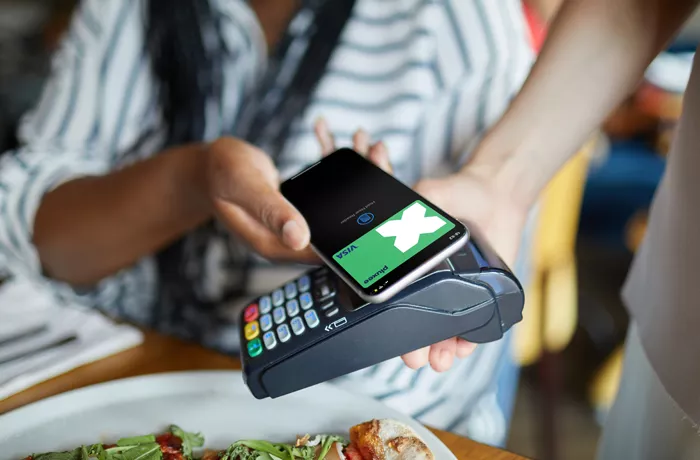
What is an employee incentive card?
An employee incentive card is a prepaid reward card that gives employees flexible, meaningful ways to use rewards and recognition provided by their employer.
Definition and simple concept
An employee incentive card is a prepaid stored-value card that delivers monetary rewards to staff members as part of an organised programme designed to motivate specific workplace behaviours. Your employees get a card preloaded with funds they can spend according to the programme's parameters instead of receiving cash or traditional vouchers.
The concept centres on providing "something valued by an individual or group that is offered in exchange for increased performance" [1]. Your incentive card serves as the delivery mechanism for this value. It gives employees tangible recognition they can use when and how they choose.
These cards function like any other payment card, whether physical or digital [2]. You load a predetermined amount onto the card, and your employee can then use those funds for purchases that matter to them. The card itself becomes the vehicle for transferring reward value from your organisation to your staff.
Employee incentive cards come in several formats. You can issue them as magnetic stripe cards or chip and PIN cards, based on your security requirements and budget [1]. Physical cards work at point-of-sale terminals, whilst digital versions integrate with mobile wallets and online shopping platforms.
The cards can be disposable (single-use) or reloadable [1]. Single-use cards work well for one-off bonuses or recognition awards. Reloadable cards suit ongoing commission payments or regular incentive schemes. This flexibility allows you to match the card type to your specific reward structure.
Your employees gain access to a wide range of spending options with these cards. Your staff can use their funds on whatever holds meaning for them, whether that's online purchases, in-store shopping, subscriptions or experiences [2]. This choice lifts the perceived value of your reward beyond a cash equivalent.
How employee incentive cards separate from standard payment cards
The most important difference lies in the Know Your Customer (KYC) requirements. Standard payment cards require individual identity verification before issuance. Employee incentive cards bypass this step because you, as the corporate employer, have already completed KYC checks during the hiring process [1]. This efficient approach reduces administrative burden and speeds up card distribution.
Incentive cards contain a fixed balance you control, which separates them from personal debit or credit cards linked to bank accounts. Your employees can't overdraw or add their own funds (unless you've issued a reloadable card and granted that permission). This predetermined limit keeps your reward budget predictable and prevents any financial complications.
The cards fall into two distinct categories: open-loop and closed-loop [2]. Open-loop cards carry Visa or Mastercard branding and function wherever these networks are accepted. Your employees enjoy maximum flexibility and can use them virtually anywhere. These cards are technically classified as prepaid cards rather than gift cards [2].
Closed-loop cards work only at specific retailers or within particular store networks [2]. Whilst this limits where your employees can spend, it allows for more personalised reward strategies. You might issue retail-specific cards that align with your company values or employee priorities.
Standard payment cards serve as general financial tools for everyday banking needs. Employee incentive cards exist for recognition and motivation purposes. This distinction separates reward income from regular earnings and helps your employees recognise and appreciate the additional value you're providing.

How do employee incentive cards work?
Employee incentive cards work by loading reward funds onto a prepaid card that employees can use for everyday spending, giving them more flexibility over how they benefit from rewards and recognition.
The employee application process
Your issuer partners with you to manage the enrolment phase, distributing cards and providing ongoing support [2]. This partnership removes the administrative burden from your internal teams and allows providers to handle the technical aspects of card distribution.
Employees receive their award notification by email [3]. The message contains card details and instructions for activation. Your staff members receive their card details as soon as the programme administrator sends them for digital cards [4]. They can then add these details to their digital wallet right away, whereas physical cards arrive through postal delivery or distribution at your workplace.
Employees don't need a bank account to receive or use their incentive card [2]. This accessibility proves especially valuable for temporary staff, contractors, or employees who may face banking barriers. Your entire workforce gains equal access to rewards whatever their banking status.


Loading funds onto incentive cards
Employee incentive cards operate through two distinct funding approaches. The first option gives your business full control. You set up the card programme and add funds for employees as part of your benefits and wellbeing strategy [4]. Your finance team can transfer funds straight to the card from an employer dashboard [2] and put money into your employees' accounts with a few clicks.
The second approach allows employees to top up their own balance and use it for purchases [4]. They receive their digital card details, add their own funds, and spend wherever the card is accepted. This self-service model works well for benefits that combine employer contributions with employee savings.
You determine the exact value loaded onto each card [2]. Single payments suit one-off bonuses or recognition awards, whilst automatic top-ups work for ongoing expenses like travel and subsistence [4]. Cards can be activated or frozen, loaded or unloaded with a single button press [4]. This gives your finance team instant control over fund distribution.
Employees access their funds without waiting for physical cheques [2]. This speed improves the effect of your recognition efforts, especially when rewarding timely achievements or responding to urgent financial needs.
Using the card for purchases
Your employees use their virtual card online or in-store worldwide, wherever retailers accept Visa prepaid as payment [4]. The cards function like any other payment card, whether digital or physical [4]. Staff members present their card at checkout or enter details for online transactions wherever Visa prepaid is accepted.
Cards can connect to employee point balances [4]. This eliminates reloading hassles or spending request approvals. When your team accumulates points through performance achievements, those points translate into purchasing power.
Cashback partnerships add extra value to every transaction. When employees use their card with partner retailers, they can earn up to 15% cashback [4]. A £50 reward could become a £57.50 reward, whilst a £100 reward could reach £115 [4]. The cashback goes into their digital wallet and stretches your reward budget further.
You can restrict spending to specific merchant category codes for maximum programme control [2]. Travel-related merchants, professional development resources, or wellness providers become the only approved vendors. This targeted approach lines up spending with your organisational values whilst maintaining employee choice within defined parameters.


Tracking rewards and balances
Employees monitor their card-specific limit by opening the relevant benefits card in their mobile app [5]. The interface displays current balance, recent transactions, and available funds at a glance. On top of that, the app shows where they can spend, provides relevant notifications, and offers 24/7 support access [5].
Transaction notifications arrive whenever your employees use their card [5]. Each purchase saves in the app and creates a real-time spending record. Your staff can scroll down to view a complete list of all locations where they've made payments.
Receipt management happens through the cardholder app [4]. Employees upload receipts after purchases and streamline reconciliation for both them and your finance team. This digital approach eliminates paper trail management and accelerates expense reporting.
Your finance teams gain reporting and tracking capabilities that add value and efficiency [2]. These systems log all incentives as rewards across your organisation and improve tax reporting and record keeping without manual intervention.
Types of employee incentive cards available
Understanding which type of employee incentive card suits your business requires analysing three key classification systems. Each category serves distinct purposes and offers specific advantages depending on your reward strategy.
Open-loop vs closed-loop cards
Open-loop cards carry payment network branding such as Visa or Mastercard [6]. Global networks back these prepaid cards, and millions of locations worldwide accept them where those logos appear [7]. Your employees gain remarkable spending freedom and use their rewards for groceries, fuel, online shopping, or dining out [2].
The flexibility of open-loop cards makes them suitable for programmes that prioritise recipient choice. Employees can shop at smaller local establishments and support community businesses whilst using their rewards [7]. Some open-loop cards even work internationally, which makes them effective for global reward programmes [7].
Closed-loop cards work differently from their open-loop counterparts and function only at designated retailers or specific store groups [6]. A card issued for a particular supermarket chain or electronics retailer restricts spending to those locations. This format gives you greater control over where reward funds flow.
Recent data shows that 64% of gift cards sold are closed-loop formats [2]. This preference reflects how recipients view these cards as experiences rather than mere financial tools. A card tied to a specific destination feels like an invitation to visit and browse [2].
Closed-loop cards deliver practical advantages for your business. They retain more value within your chosen retail partners and prevent funds from dispersing to competitors. You control the card design, seasonal artwork, and messaging while integrating the card into your broader marketing strategy [2]. Closed-loop cards bypass the Know Your Customer identity confirmation requirements that burden open-loop cards in some markets, which creates a smoother purchasing experience for consumers [2].
Physical cards vs virtual cards
Physical gift cards maintain importance in employee recognition programmes [4]. The tangible nature of receiving an actual card carries higher value and makes your staff feel genuinely rewarded [4]. These cards feature the cardholder's name, card number, and magnetic strip while appearing similar to credit or debit cards [8].
Physical cards offer distinct marketing benefits. You can brand them with your company logo and differentiate your organisation's rewards whilst boosting brand recognition [8]. Physical cards provide familiar ease of use for employees less comfortable with technology [8].
You place bulk or individual orders to distribute physical cards. The cards ship either to your office or to employee addresses [4]. Staff members swipe them in-store or enter details for online purchases once received [4].
Virtual cards represent the modern approach to employee gifting [4]. Digital gift cards deliver through email, and employees add them to digital wallets right away [4]. Speed and convenience define their main advantage. You can issue digital cards instantly, which makes them perfect for timely recognition [4].
Consumer priorities lean heavily toward digital formats. Around 63% of consumers prefer digital cards over physical ones due to instant delivery [4]. Virtual cards eliminate production costs, as no expenses arise from manufacturing and posting them to employees [8]. The money saved from reduced production expenses can flow back into your rewards programme or other employee initiatives [8].
Virtual prepaid cards offer boosted security features that evolve with advancing technology [8]. Your employees avoid carrying another card and access their rewards from smartphones [8]. This convenience matters for geographically distributed teams where physical distribution becomes challenging [4].

Single-use vs reloadable cards
Single-use cards hold a fixed amount loaded at issuance and cannot be recharged [5]. The card expires or becomes inactive once your employee spends the balance [5]. This straightforward approach suits one-off bonuses, seasonal rewards, or project-based budgeting [5].
These cards help control fraud risks by limiting funds to predetermined amounts [5]. You can distribute them for specific purposes without ongoing administrative effort or top-up management [5].
Reloadable cards allow multiple funding additions over time [5]. Your employees receive a card, activate it, and you can top up the balance whenever appropriate [5]. This continuous funding feature maintains engagement throughout the year and keeps your incentive programme relevant [5].
Most reloadable cards expire 12-24 months after last use [5]. Employees who maintain activity extend their card life indefinitely. Top-up options include manual additions through account portals, text message services, or automatic scheduled top-ups [5]. Some employees can even arrange pre-set regular top-ups when it suits their priorities [5].
Reloadable cards work well for ongoing commission payments, recurring performance bonuses, or sustained recognition programmes [5]. They transform from simple one-off rewards into long-term engagement tools [5].
Benefits of employee incentive cards for employers
Implementing employee incentive cards delivers measurable business advantages that extend way beyond simple reward distribution. Your organisation gains strategic benefits across retention, productivity and operational efficiency.
Streamlined reward distribution
Prepaid card solutions eliminate the cumbersome logistics that plague traditional reward programmes. You issue a physical or digital card, and your employees can use it right away [3]. This immediacy transforms recognition from a delayed administrative task into a real-time motivational tool.
The system setup process saves you valuable time and money [3]. You don't need complex infrastructure or lengthy implementation periods. Card programmes scale without effort and fit any workforce size or budget [3]. Whether you're rewarding one employee or one hundred the process remains straightforward either way.
Your administrative burden drops by a lot because cards work everywhere accepted payment networks operate. Employees rarely need clarification or support. The cards function like familiar payment methods they already understand. Streamlined ordering and distribution processes free your HR team from routine reward management, and professional customer support handles cardholder issues.
Improved employee retention
Employees would show greater loyalty to businesses offering modest rewards or incentives, such as a £50 gift card. This loyalty translates directly into reduced turnover costs. Organisations can save millions annually in turnover expenses by embedding recognition into their culture.
Employees who feel heard and valued are 4.6 times more likely to feel strengthened to perform their best work [7]. This strengthening reduces the likelihood they'll seek opportunities elsewhere. Reward-based incentives have emerged as vital tools for employee support and engagement, and with good reason too, as staff face economic pressures.
Better retention means lower recruitment costs and reduced time spent training new hires [7]. Your investment in incentive cards protects your investment in talent development and keeps experienced employees contributing to your organisation's success.
Boosted engagement and motivation
Research shows that highly engaged and productive employees lead to 21% greater profitability [3]. Employee incentive cards drive this engagement by giving your workforce both choice and flexibility, something traditional rewards programmes often lack [3].
Giving your employees rewards they appreciate and value boosts their satisfaction towards you as their employer [3]. High levels of satisfaction, loyalty and morale prove significant for retaining talent [3]. Getting your reward and incentive programmes right affects how your employees perform positively, and higher productivity levels lead to better business results [3].
Non-cash rewards like gift cards prove more effective than cash incentives [2]. The Incentive Research Foundation found that 44.07% of employees agree gift cards are the 'best rewards to receive', whilst 27.12% agree they are 'good rewards to receive' [2]. Cards create trophy value and memorability that cash cannot match.
Cost savings and reduced administration
Digital and physical gift cards offer transparent pricing that eliminates hidden costs. Clear per-card pricing with volume discounts, no hidden administration fees, included professional support and detailed compliance guidance keep your budgets predictable.
The industry average for unclaimed cards in a B2B environment reaches around 21% [2]. That saving returns to your account automatically and reduces your overall programme costs. Complete utilisation where it matters, combined with recovered funds from unused cards, optimises your reward investment.
Reduced administrative overhead extends beyond distribution. Minimal employee questions, streamlined processes that employees understand right away, and professional support handling issues all contribute to long-term savings by freeing HR for strategic activities.

Supporting CSR and sustainability goals
Digital solutions and paperless gift cards cut down on packaging, transport emissions and administrative costs, making them both environmentally responsible and efficient [12]. Choosing eco-conscious rewards helps contribute to broader sustainability initiatives, such as the UN Sustainable Development Goals for responsible consumption and production [12].
Your environmental responsibilities span beyond your organisation's walls and extend throughout your entire supply chain. By selecting digital incentive card programmes, you demonstrate commitment to environmental stewardship whilst offering employees meaningful rewards [4].
Employees who receive thoughtful, ethical gifts feel appreciated on a deeper level [12]. Environmentally responsible reward choices reinforce shared values and pride in working for a socially responsible organisation. Your gift choices reflect your brand identity and show customers, employees and stakeholders that sustainability forms a core part of your mission [12].
Benefits of employee incentive cards for employees
Employee incentive cards give employees greater flexibility, choice and value from rewards, helping recognition feel more meaningful and relevant to everyday life.
Greater spending flexibility
Incentive rewards cards function like cash and give you the freedom to purchase anything from groceries to electronics [8]. Rewards become more appealing than single-store gift cards that restrict where you shop because of this flexibility [8]. A universal payment card delivers greater value than vouchers tied to specific retailers since your backgrounds and interests are diverse.
Open-loop cards bearing Visa or Mastercard branding work at over 30 million locations globally. You can spend at participating retailers or anywhere Visa prepaid is accepted [15], whether shopping online or visiting physical stores. Your purchasing power extends beyond partner networks through this universal acceptance and allows you to support local businesses or shop at your preferred outlets.
Research shows 60% of employees value flexible benefits systems that let them choose where to spend [16]. Knowing how to direct rewards toward purchases that matter transforms a simple monetary benefit into meaningful recognition.

Cashback and discount opportunities
Cashback partnerships boost the value of every transaction you make. You can earn up to 15% cashback when you shop with participating retailers using your employee incentive card [17]. A £50 reward becomes £57.50, whilst £100 grows to £115 through accumulated cashback earnings.
This cashback functions as free money on top of your salary [18]. You could accumulate hundreds or even thousands of pounds each year depending on your shopping habits and how you utilise offers that are available [18]. The cashback sits in your digital wallet and creates a subsidiary income stream that builds without direct effort on your part.
Better money management tools
Employee incentive cards operate on a prepaid basis. You can only spend the balance that is loaded and available [15]. No overdraft facility or associated charges exist that could lead to debt [5]. Financial risks that come with credit-based rewards systems are eliminated through this structure.
Mobile apps put complete control in your hands [5]. You can top up balances, view cashback earnings, check transaction history and monitor spending patterns from anywhere. Immediate visibility helps you make smarter purchasing decisions and earn more cashback through strategic choices. This digital interface that is available contributes to adoption rates exceeding 70%, well above the 40% industry average [5].
The prepaid nature helps you develop better financial habits by setting aside specific amounts for essential expenses [5]. This debt-free model provides welcome relief for the one-third of UK adults struggling with credit card debt.
Separation of rewards from regular income
A clear difference between routine compensation and exceptional achievement emerges when you receive incentive cards separately from your regular paycheck [19]. This psychological separation sends a powerful message that your efforts and accomplishments are recognised and appreciated.
The cards deliver instant recognition, especially when issued with personalised messages. You feel valued in the moment, which motivates continued high performance.
This separation reinforces your sense of achievement and strengthens your attachment to your organisation [19]. The reward validates your exceptional determination rather than adding numbers to a bank statement that disappears into routine expenses.
Common uses for employee incentive cards in UK businesses
UK businesses deploy employee incentive cards in multiple reward scenarios. Each addresses distinct motivational needs and organisational objectives.

Sales commission payments
Prepaid digital cards suit commission structures where amounts vary based on individual or team performance. The cards work well for substantial quarterly bonuses and smaller wins throughout the month. You can set the amount to match the specific project or achievement and ensure the reward feels proportionate to the effort invested.
Performance bonuses and recognition
Performance-based incentives delivered through cards generate measurable results. Statistics reveal that 91% of employees who received a holiday gift card say they liked getting it [6]. More important is that 83% of employees said they would feel more appreciated, work harder, feel motivated, and have more loyalty towards the company if they received a holiday incentive [6].
Companies using incentive programmes reported a 79% success rate in achieving their goals when the correct reward was offered [6]. Annual revenue increases are 3x higher in companies that use a tangible sales incentive over those that don't use an additional incentive [6].

Long service awards
About two thirds of UK employers operate long service awards or initiatives. Traditional milestones range from 5 to 40 years. Many employers now acknowledge earlier achievements at 2-year intervals.
Long service awards can be a meaningful way to recognise loyalty, but the tax treatment depends on the structure, value and timing of the award. Employers should check the latest HMRC guidance and seek professional advice before confirming whether a card-based award qualifies for any available exemption.
Seasonal and holiday rewards
Virtual cards offer affordable options during festive periods and eliminate delivery costs and waiting times. Research shows at least 33% of all UK employees feel undervalued at work. Worse still, 74% of people said they would look for a new job if they felt undervalued. Seasonal recognition through incentive cards addresses this sentiment head-on.

Channel partner incentives
Channel partnerships now drive substantial revenue, with 89% of sales teams relying on partner sales [24]. Similarly, 83% say those partnerships are driving more revenue than they did just a year ago [24]. Despite this growth, only 48% of companies use channel or distributor incentives [3]. This suggests much opportunity for organisations seeking competitive advantage through partner motivation.
Implementing an employee incentive card programme
Implementing an employee incentive card programme starts with choosing the right provider, defining clear reward goals and making it easy for employees to understand, use and benefit from the scheme.
Choosing the right card provider
Your provider selection determines programme success, so assess candidates objectively rather than through gut reactions. Be crystal clear on total costs from the outset, including fixed versus variable fees if your employee headcount changes. Security matters just as much, especially when you have remote and hybrid teams, so choose partners committed to protecting employee data.
Implementation support separates strong providers from weak ones. Ask whether a dedicated team will work with you to configure your unique solution. Request references or sample implementation plans to understand the setup experience before launch.
Setting up your reward scheme
Your incentive structure must be clear for employees. What do they need to do to earn rewards? Is it linked to particular targets or KPIs? This transparency proves essential for fairness and buy-in. Tailor schemes to your context, as even provider-supported programmes require effort to suit your organisation.

Communicating the programme to staff
Studies show you need to repeat messages at least three times before they sink in. Give frontline managers information and training, as these leaders encourage participation among team members.
Ask providers what communication tools they offer to drive awareness and participation. Best practise support helps you maintain momentum beyond launch.

Measuring success and engagement
Review employee actions through data to understand participation. Ask providers about platform analytics, reporting capabilities and how they educate you on usage patterns to prove ROI. Collect feedback after launch to identify and resolve issues affecting uptake. Monitor recognition flow between teams and watch for usage drops that signal programme adjustments are needed.
Growing market adoption
The B2B gift card market demonstrates strong expansion. Year-on-year growth reaches 20.5% [27]. Gift cards through incentive schemes now reach over a fifth of UK employees. That figure climbs to 29.9% among millennial and Generation Z workers aged 16-34 [27]. This generational preference signals sustained growth as younger employees become the workforce majority.
Direct business relationships for staff rewards attract 61.5% of gift card managers [27]. But a perception gap persists at leadership level. Gift card managers view these programmes as important growth areas—85% hold this view. Only 65% of C-suite executives share this conviction [27]. The disconnect stems from visibility issues. Minimal awareness of programme results affects 45% of senior employees [27].
Technology and state-of-the-art trends
Digital formats now dominate and account for over half the UK gift card market share [28]. The pandemic accelerated this move. Since 2020, 44% of recipients express stronger preference for digital options. Instant delivery drives continued digital adoption. Mobile wallet integration and AI-powered personalisation do the same.
Regulatory considerations
Regulatory frameworks continue evolving alongside digital payment growth. Businesses must maintain compliance alertness across electronic gift card regulations.
Conclusion
The most effective reward programmes don't just give employees access to value. They help people use it. Employee incentive cards make recognition more flexible, more relevant and easier to put into everyday life.
The UK market continues its strong growth trajectory. Digital adoption accelerates in sectors of all types. Your business stands to gain measurably from implementing a well-laid-out incentive card programme under these circumstances.
Choose a provider that lines up with your organisational values and budget requirements first. Then communicate the scheme to your staff and ensure everyone understands how to earn and use their rewards. You'll see improved retention rates and stronger employee participation within months if you implement it right.
FAQs
What exactly is an employee incentive card?
An employee incentive card is a prepaid card that companies use to distribute rewards to their staff. It's more flexible and convenient than traditional methods like cash or cheques, allowing employees to spend their rewards where and when they choose, similar to using a regular debit card.
What types of rewards count as employee incentives?
Employee incentives are rewards designed to motivate and encourage better performance. These can include monetary bonuses, gift cards, recognition awards, additional holiday time, performance-based prizes, and various other benefits that acknowledge and appreciate employees' contributions to the organisation.
Where can employees use their incentive cards?
Employees can use their incentive cards anywhere that accepts debit cards, depending on the card type. Open-loop cards bearing Visa or Mastercard branding work at millions of locations worldwide, both in-store and online. Simply look for the matching brand mark at checkout, and the card can be used for purchases and online transactions.
How do incentive cards differ from regular payment cards?
Unlike standard payment cards, incentive cards don't require individual identity verification since employers have already completed these checks during hiring. They contain a fixed balance controlled by the employer, can't be overdrawn, and are specifically designed for recognition purposes rather than everyday banking needs.
What are the main benefits of incentive cards for employees?
Incentive cards offer employees greater spending flexibility, allowing them to purchase what they actually want or need. They provide cashback opportunities of up to 15% with partner retailers, include helpful money management tools through mobile apps, and clearly separate reward income from regular salary, making recognition feel more meaningful.
References
[1] - https://www.polymathconsulting.com/Cache/Downloads/Staff-Incentive-and-Reward-Cards.pdf
[2] - https://trucentive.com/using-gift-cards-for-employee-rewards-and-incentives
[3] - https://www.giftbit.com/blog/how-to-create-and-manage-channel-partner-incentive-programmes
[4] - https://alldigitalrewards.com/rewards-and-incentives/specialty-rewards/eco-friendly-rewards/
[5] - https://www.pluxee.uk/blog/employee-cashback-benefits-a-british-guide-to-smarter-staff-rewards/
[6] - https://www.finextra.com/blogposting/18014/reward-your-most-valuable-asset-this-holiday-season-with-an-employee-incentive-card
[12] - https://www.giftronaut.com/blog/eco-conscious-corporate-gifting-sustainable-ways-to-reward-employees
[15] - https://www.pluxee.uk/blog/what-is-cashback-employee-cashback-cards-cashback-online/
[16] - https://startupsmagazine.co.uk/article-60-managers-back-employee-spend-cards-benefits
[17] - https://www.peoplemanagement.co.uk/article/1804516/give-employees-money-boost
[18] - https://hrnews.co.uk/the-power-of-cashback-as-an-employee-benefit/
[19] - https://alldigitalrewards.com/blog/unlocking-employee-engagement-the-power-of-separating-payroll-compensation-from-incentive-rewards/
[24] - https://www.salesforce.com/sales/channel-revenue-management/channel-partner-incentive-programmes/
[27] - https://www.cipp.org.uk/resources/news/gift-cards-increasingly-popular.html
[28] - https://uk.finance.yahoo.com/news/united-kingdom-gift-card-incentive-104200853.html