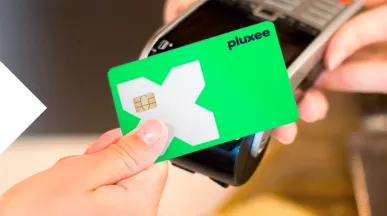
How to use prepaid cards in an employee reward and recognition strategy

Prepaid cards can make employee rewards more flexible, immediate and useful, but the card itself isn't the strategy. The real decisions come before anybody receives a reward: what are you recognising, when should recognition happen, how much should you give, who can award it, and how will you know whether it's working? Get those decisions right and prepaid cards can become a highly flexible delivery mechanism within a wider reward and recognition programme. Get them wrong, and you're simply distributing money without necessarily reinforcing the behaviours, achievements or moments that matter. Read on to learn how to use prepaid cards in an effective and impactful employee reward and recognition strategy.

Quick answer: How to use prepaid cards for employee rewards
Build prepaid card rewards around a clear framework:
- Define what earns a monetary reward
- Set clear triggers, values and frequency
- Make recognition timely and personal
- Give employees choice
- Agree approvals, budgets and governance
- Measure reach, fairness and impact
Reward meaningful contributions consistently, with clear parameters, because not every positive action requires monetary reward.
Top 3 takeaways from our bog on how to use prepaid cards in an employee reward and recognition strategy.
1. Start with the strategy, not the card: Define what deserves a monetary reward, set consistent value bands and decide how often you want to give rewards.
2. Make recognition timely, personal and flexible: Pair each prepaid card reward with a specific thank you that explains the contribution, while giving employees choice over how they use it.
3. Build in governance and measure impact: Establish eligibility, approvals, budgets and tax treatment before launch, then track reach, fairness, recognition speed and employee sentiment — not just spend.
How to use prepaid cards in an employee reward and recognition strategy
Use prepaid cards to deliver monetary rewards for clearly defined contributions, with consistent value bands, timely recognition and a personal message explaining why each award matters. Give employees flexibility in how they use their reward, supported by clear approval rules, budget controls, and measures of participation, fairness, and impact.
1. Decide what your prepaid card rewards are for
Start with the outcome, not the card, being clear on the role monetary rewards will play within your broader employee recognition strategy?
You might want to reinforce company values, celebrate exceptional contributions, thank employees for going above and beyond or recognise important milestones.
The important thing is to be specific about the purpose.
For example:
| Reward trigger | Example | Possible approach |
| Everyday contribution | Going above and beyond to help a customer or colleague | Small, timely award |
| Values-led behaviour | Strong example of a company value in action | Manager or peer nomination |
| Exceptional achievement | Delivering a significant project or business result | Higher-value award |
| Milestone | Long service or significant career moment | Predetermined award |
| Team achievement | Completing a major shared objective | Consistent award across the team |
| Seasonal recognition | Christmas or end-of-year thank you | Organisation-wide award |
The framework should be easy enough for managers and employees to understand without requiring a rulebook for every possible situation.
For a broader look at the role different rewards can play, read our blog, ‘Employee rewards: Your ultimate guide’.
2. Define clear reward triggers
One of the biggest risks with monetary recognition is inconsistency. One manager may reward somebody for staying late to complete a project. Another may see it as simply part of the job. One team might receive regular awards while another rarely receives anything, and that's why reward triggers matter.
Rather than relying entirely on individual judgement, define when monetary recognition is appropriate.
A simple framework might distinguish between:
- Everyday recognition: Frequent appreciation that doesn't necessarily need a financial reward. A thank you, peer recognition, or public acknowledgement may be enough.
- Above-and-beyond recognition: An employee has contributed beyond normal expectations, and this could trigger a small monetary award alongside the recognition.
- Exceptional achievement: Something with materially greater impact might justify a larger reward and potentially an additional approval step.
This distinction helps prevent monetary rewards from becoming the default response to every positive contribution, because not every thank you needs money attached to it.
For ideas on how to reward employees without topping up a card, read our blog, '11 Examples of Non-Financial Rewards for Employees'.
3. Create reward value bands
Once you've decided what merits a prepaid card reward, decide how much different moments are worth.
It's best to avoid leaving every manager to choose any value they like by creating bands tied to your recognition framework.
For example:
- £10-£25: smaller above-and-beyond moments
- £25-£50: more significant contributions
- £50-£100+: exceptional achievements or milestones requiring additional approval
Those aren't universal recommended values. Your bands should reflect your organisation's budget, workforce and recognition philosophy. You should also consider any tax implications.
What's more important is consistency.
If two employees make similarly valuable contributions, radically different rewards can undermine the sense of fairness you're trying to create.
A banded structure gives managers discretion without giving them an entirely blank cheque.
4. Think about frequency as well as value
A £100 award once a year creates a very different recognition experience from four £25 awards distributed across meaningful moments.
Neither is automatically better: Ask what behaviour you want the programme to encourage, and one approach will likely become the better option.
If the objective is making recognition part of everyday culture, smaller, more frequent rewards may support that better than concentrating the whole budget in a handful of large awards.
If you're recognising major achievements or milestones, larger and less frequent awards may be appropriate.
You can also mix the two. For example:
Everyday appreciation → frequent non-monetary recognition → smaller manager awards → significant achievement awards.
That creates a recognition ladder, rather than treating every contribution the same way.
5. Make the reward timely
The distance between someone's achievement and the recognition matters. Imagine an employee goes above and beyond for a client on Monday, and their manager immediately recognises the contribution and rewards them.
Now compare that with receiving the same reward six weeks later as part of a monthly administration process.
Financially, the value may be identical. Emotionally, it probably isn't.
Wherever possible, design the process so the connection remains clear: Contribution → recognition → reward.
You want the employee to know exactly why they're receiving it, and that's one of the reasons digital prepaid reward mechanisms can be useful. They can reduce the operational gap between deciding to recognise somebody and putting value into their hands.
6. Give employees choice over what happens next
Employers should control why someone is recognised, but they don't need to control what an employee spends their reward on.
Traditional gifts can involve the employer making assumptions about what somebody will value. Prepaid cards can shift more of that decision to the employee. Instead of choosing a particular gift or retailer for everyone, you give employees greater freedom to turn the reward into something relevant to them.
The recognition is consistent. What the reward becomes is personal.
For more on reward schemes, read our blog, ‘Staff reward card schemes: Your complete UK employer's guide’.
7. Decide who can give monetary recognition
Next comes governance: Who can distribute rewards?
Depending on the organisation, that might include:
- Line managers
- Department heads
- HR or People teams
- Senior leaders
You can also set permissions according to reward value.
The principle is to make smaller everyday recognition easy while maintaining appropriate oversight as financial value increases.
8. Build fairness into your reward programme
Governance isn't just about controlling spend. It's also about fairness.
Review whether recognition is reaching different parts of your organisation consistently by looking at meaningful patterns such as:
- Rewards by department or location
- Reward frequency by manager
- Employee groups receiving the most and least recognition
- Reasons rewards are given
- Average reward value
- Concentration of awards among repeat recipients.
The data can show you trends across the business – or gaps across the business – but you shouldn’t just rely on numbers. Teams operate differently, and there could be valid reasons for varying results across departments.
Bring the results to your managers so they can share what’s happening on the ground and take action to ensure everyone is aligned to the overarching recognition strategy.
9. Connect the reward with the recognition
A prepaid card shouldn't replace the human part of recognition.
“You've received £50,” tells an employee what they've got.
“You stepped in at short notice, helped the team meet its deadline and made sure the customer wasn't affected. Thank you,” tells them why it mattered.
Ideally, your programme delivers both, which means combining the financial reward with:
- A personalised message
- Manager recognition
- Peer recognition
- Recognition in a team environment
- A wider employee recognition platform
The monetary value makes the reward tangible, but the message gives it meaning.

10. Set governance before you launch
Document the rules before managers start distributing rewards.
Your framework should answer:
- Eligibility: Who can receive a reward?
- Authority: Who can give one?
- Triggers: What types of achievement qualify?
- Value: What reward bands apply?
- Approval: When is additional approval required?
- Frequency: Are there limits per employee, manager or period?
- Budget: Who owns it and how is spend allocated?
- Tax: How should different awards be treated?
- Reporting: Who reviews programme performance and how often?
Don't treat the tax question as an afterthought.
The tax treatment of an employee award can depend on its purpose and circumstances, so HR and payroll should establish the appropriate treatment as part of programme design.
11. Measure more than how much you've spent
If you've allocated £50,000 to employee rewards and distributed £48,000, you've measured your budget, not your reward strategy.
A useful dashboard should look more broadly at:
- Reach: What percentage of eligible employees have received recognition?
- Participation: How many managers or employees are actively using the programme?
- Frequency: How often is recognition happening?
- Distribution: Is recognition reasonably spread across teams, roles and locations?
- Speed: How quickly after the achievement is an employee recognised?
- Usage: Are employees actually using the monetary rewards they receive?
- Employee sentiment: Do employees feel recognised, and do they value the rewards available?
- Programme outcomes: Are your target measures moving in the right direction after implementation?
The final question is particularly important. If your original objective was to make recognition more frequent, don't judge success purely by redemption. Measure recognition frequency as well.
Start with the outcome you wanted and measure backwards from it.
Prepaid card reward programme checklist
Below is a prepaid reward programme checklist covering everything you need to consider, from launch to implementation, review, and evolution.
Before launch, make sure you can answer:
- What are we trying to achieve?
- Which behaviours, achievements and moments will we recognise?
- Which ones warrant a monetary reward?
- What reward values or bands will we use?
- How frequently should rewards be given?
- Who can issue rewards?
- What approval thresholds apply?
- How will employees receive the recognition and reward?
- How much freedom will they have over how they use it?
- What controls will ensure consistency and fairness?
- Have HR, payroll and finance agreed on the governance?
- What will we measure?
- When will we review whether the programme is working?
Prepaid cards work best when the strategy comes first
A prepaid card can give employees flexibility over how they use a monetary reward, but flexibility alone doesn't create an effective recognition programme.
The value comes from the framework around it: the right trigger, an appropriate value, recognition at the right moment, meaningful choice and consistent governance.
Design those elements first, then use the card to make reward delivery simple.
Build your reward programme with Pluxee by bringing together meaningful recognition, flexible monetary rewards and the tools to manage your programme consistently.
Key takeaway:
A prepaid card is the delivery mechanism, not the recognition strategy: define what you reward, make the thank you timely and personal, and use clear rules and meaningful measures to keep the programme fair and effective.
Related reading:
Employee rewards: Your ultimate guide
11 examples of non-financial rewards for employees
Staff reward card schemes: Your complete UK employer's guide